
It has never been more crucial to control business energy expenses. Inaccurate or estimated business gas meter readings are one of the primary causes of businesses overpaying for their gas. Understanding your business’s gas meter is the first step to maintaining accurate and reasonable bills, regardless of the size of your business, whether it’s a small shop, a developing SME, or a large commercial site.
Price Buddy assists companies with energy tariff comparison, usage analysis, and cost avoidance. This guide covers everything you need to know about business gas meters, including installation, proper reading techniques, and how to select the most cost-effective option for your business.
What Is a Business Gas Meter
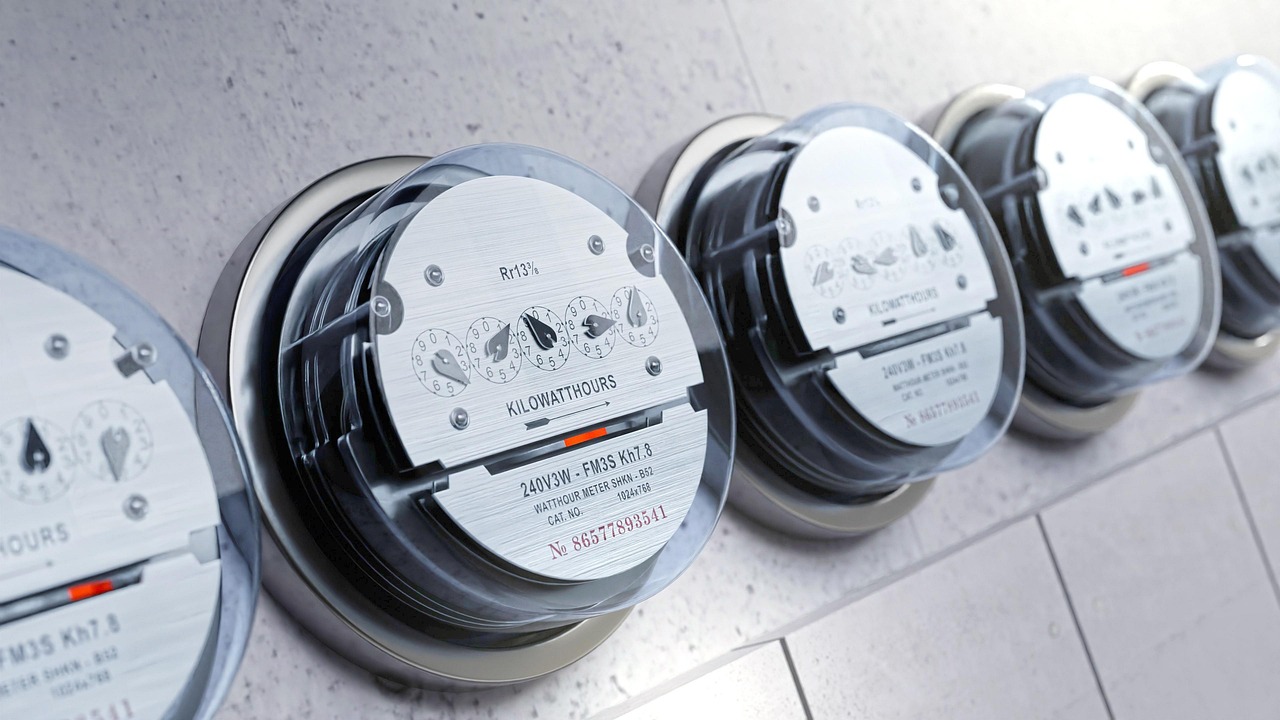
A business gas meter is a tool that tracks the amount of gas used by your organization over time. Business and commercial gas meters are made to withstand larger volumes and, occasionally, more intricate usage patterns than residential meters.
There are several varieties:
- Keep track of usage in cubic meters using metric meters (m³).
- Keep track of usage in cubic feet using imperial meters (ft³).
- Smart/AMR meters provide suppliers with readings automatically.
- Large commercial sites must have half-hourly (HH) meters, which record data every 30 minutes.
Why it matters: Your supplier may estimate your consumption if you don’t accurately read and submit your business gas meter readings, and estimates frequently result in overpayment.
By measuring a company’s actual gas consumption, a business gas meter ensures accurate billing rather than expensive estimated bills.
How to Take Accurate Business Gas Meter Readings
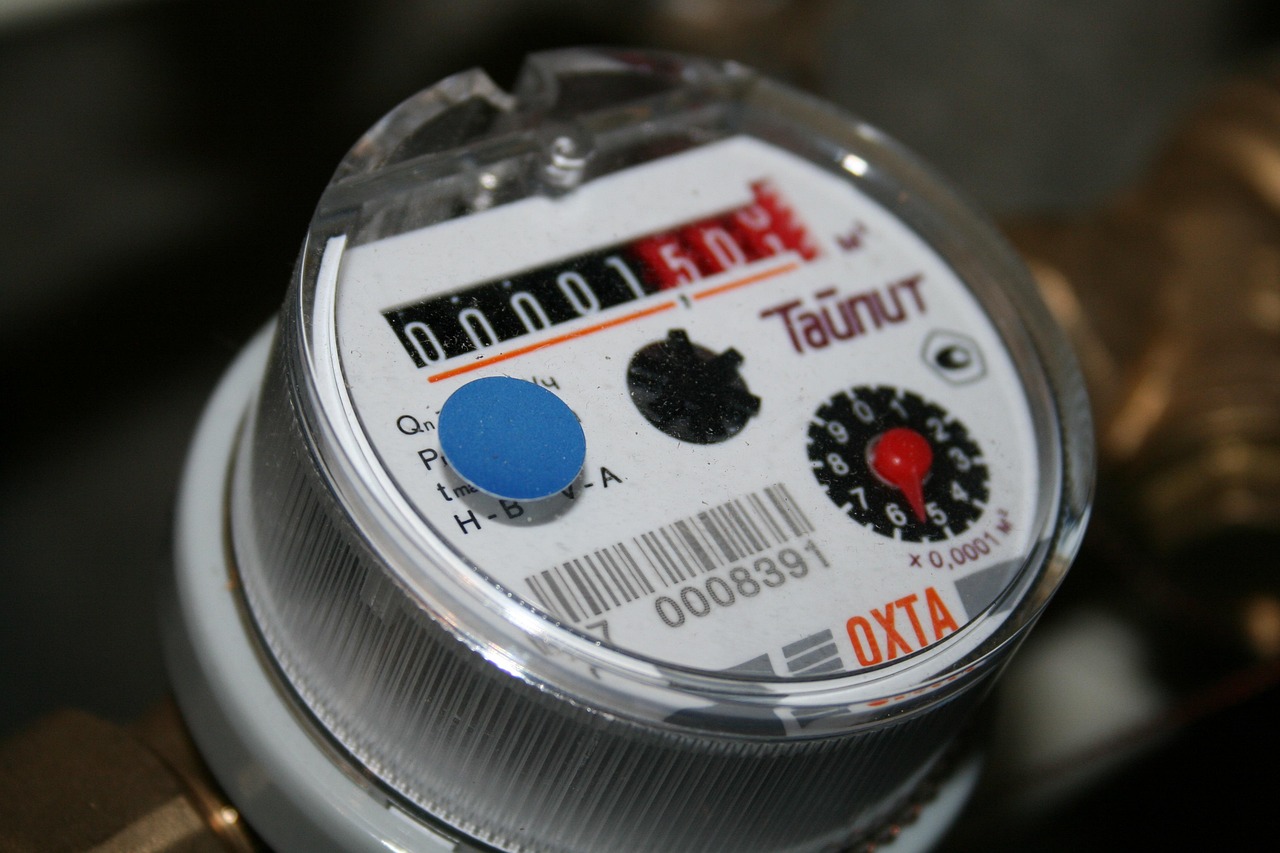
The best method to avoid overpaying is to take precise readings.
How to use metric meters (m³):
- From left to right, write down the black numbers.
- Ignore the decimals and red numbers.
How to use imperial meters (ft³):
- Take note of the display’s four black numbers.
- After a decimal, disregard any red numbers or digits.
Make sure you are reading the correct meter by always double-checking your Meter Serial Number (MSN), especially in shared commercial buildings.
Convert Your Gas Reading to kWh (Check Your Bill)
Instead of billing you in cubic meters or cubic feet, gas suppliers use kilowatt-hours (kWh). This implies that you must convert your raw meter reading.
The equation:
- Calculate the volume of gas you used (m³ or ft³).
- Multiply by the correction factor, which is typically approximately 1.02264.
- Multiply by the calorific value, which is approximately 39.3.
- To convert to kWh, divide by 3.6.
Metric meter worked example:
- Difference in meter readings = 100m³.
- 1,115 kWh is equal to 100 × 1.02264 × 39.3 ÷ 3.6.
Why make a check? Errors may appear in supplier or conversion systems. You can determine whether your bills accurately reflect your usage by performing a spot check.
To convert your gas reading to kWh, multiply the cubic meters used by 1.02264, then by 39.3, and divide by 3.6.
How Often to Submit Business Gas Meter Readings
Business gas meter readings should be submitted at least once a month, according to most suppliers. This helps you avoid overpaying by ensuring that your bills are based on actual usage rather than estimates. Weekly or bi-weekly reading submissions can yield even more accurate results for businesses with seasonal or variable energy demands.
Sending in your readings right before tariff or price changes go into effect is also crucial. By doing this, you can avoid being charged based on estimates and ensure that you are billed accurately and at the correct rate.
To avoid estimated bills and make sure your charges correspond to actual usage, submit business gas meter readings at least once a month.
Common Reading Mistakes That Cost Businesses Money
Simple mistakes made when taking business gas meter readings result in higher costs for many businesses. The most frequent errors are missing rollover numbers when the meter resets, recording red or decimal digits, mistaking metric and imperial meters, and entering the incorrect meter reading in multi-unit buildings. Inaccurate bills and needless overpayment can result from any of these problems.
Common business gas meter reading mistakes include recording red digits, mixing up metric and imperial meters, using the wrong meter, or missing rollovers.
Business & Commercial Gas Meter Installation
One efficient method to increase billing accuracy is to install a new business gas meter or upgrade to a smart one.
Business Gas Meter Installation:
- Ask for your Meter Point Reference Number, or MPRN.
- Make an installation appointment with your broker or supplier.
- Installation and commissioning should take one to two hours.
Commercial Gas Meter Installation:
- Site surveys, higher-capacity meters, and more pipework might be required for larger locations.
- Although prices vary based on complexity, they are typically more expensive than installations for small businesses.
While installing gas meters for businesses is simple, installing gas meters for businesses may necessitate pipework and surveys because of their larger capacity requirements.
Best Business Gas Meter Options
Your usage will determine which business gas meter is best for you.
Options are:
- Standard meters: For companies with low to moderate usage.
- For SMEs seeking automated accuracy, smart/AMR meters are the best option.
- Large energy users must have half-hourly meters, which provide the most comprehensive data.
Smart or AMR meters are typically the best business gas meters for SMEs, while half-hourly metering is most advantageous for high-usage sites.
How to Submit Business Gas Meter Readings
Most suppliers allow multiple submission methods:
- Online account portals.
- Supplier mobile apps.
- Automated phone lines.
Pro tip from Price Buddy: Always keep a timestamped photo when submitting readings. It provides proof if billing disputes arise.
Submit your business gas meter readings via your supplier’s website, app, or phone line, and keep a photo as proof.
Affordable Business Gas Meter Solutions That Prevent Overpayment
Sometimes upgrading or replacing your current meter is the cheapest long-term solution.
- Affordable business gas meters like smart or AMR models reduce admin and prevent estimated billing.
- Suppliers may even offer free upgrades as part of new contracts.
- Pairing the right meter with the right tariff ensures savings.
At Price Buddy, we help businesses find both the best business gas meter and the most affordable business gas meter solution, ensuring billing accuracy and cost efficiency.
Affordable business gas meters, such as smart or AMR, prevent estimated bills and save money long-term.
Frequently Asked Questions
Q1: Do I include the red numbers when reading my business gas meter?
No, you should only record the black digits from left to right. The red or decimal numbers are not used for billing, and including them can result in incorrect business gas meter readings.
Q2: How do I know if my meter is metric or imperial?
A metric business gas meter will display usage in cubic meters (m³) and usually shows five black numbers. An imperial meter measures in cubic feet (ft³) and typically shows four black digits. Knowing the difference helps avoid costly errors on your bill.
Q3: How often should I submit business gas meter readings?
At a minimum, you should submit readings once a month. However, businesses with fluctuating usage may benefit from weekly or bi-weekly submissions to ensure accurate billing and avoid paying for estimated usage.
Q4: What is the best business gas meter?
The best business gas meter depends on your company’s size and usage. For SMEs, smart or AMR meters are ideal because they automatically send readings to your supplier. For large commercial sites, half-hourly meters provide the most accurate data and meet regulatory requirements.
Q5: Can a new gas meter for business reduce my bills?
Yes, requesting a new gas meter for business can lower costs if your current meter is outdated or inaccurate. A modern smart or AMR meter eliminates billing errors, reduces reliance on estimates, and ensures you only pay for what you actually use.
Q6: What’s the difference between business and commercial gas meter installation?
A standard business gas meter installation is straightforward, with minimal site work required. In contrast, commercial gas meter installation is designed for larger operations, often involving higher-capacity meters, pipework modifications, and a detailed site survey to meet higher demand.
Q7: What happens if I don’t submit business gas meter readings?
If you fail to submit regular readings, your supplier will rely on estimates, which are often higher than actual usage. This can lead to overpayment, cash flow problems, and disputes with your supplier.
Common Reading Mistakes That Cost Businesses Money
Many companies end up paying more because of simple errors when taking business gas meter readings or business gas meter installation. The most common mistakes include recording red or decimal digits, confusing metric and imperial meters, submitting the wrong meter reading in multi-unit buildings, or missing rollover numbers when the meter resets. Each of these issues can lead to inaccurate bills and unnecessary overpayment.
Common business gas meter reading mistakes include recording red digits, mixing up metric and imperial meters, using the wrong meter, or missing rollovers.