Skip to content
How to Reduce Your Business Gas Bill
Energy costs can become a major expense for the small-sized businesses in the UK. Usually, your business’s gas consumption is one of the biggest operational costs of the month. However, saving opportunities are often missed by many entrepreneurs. By becoming familiar with your bill, using the averages as a reference point, and implementing some simple measures to cut down on your consumption, you will be able to reduce your expenses without hindering your production process.
To get to the business gas bill breakdown, the Average gas bill for a small business uk will be discussed in the article, and tips to cut your energy expenses will be given with a special focus on British Gas Business Bill customers.
Understanding Your Business Gas Bill
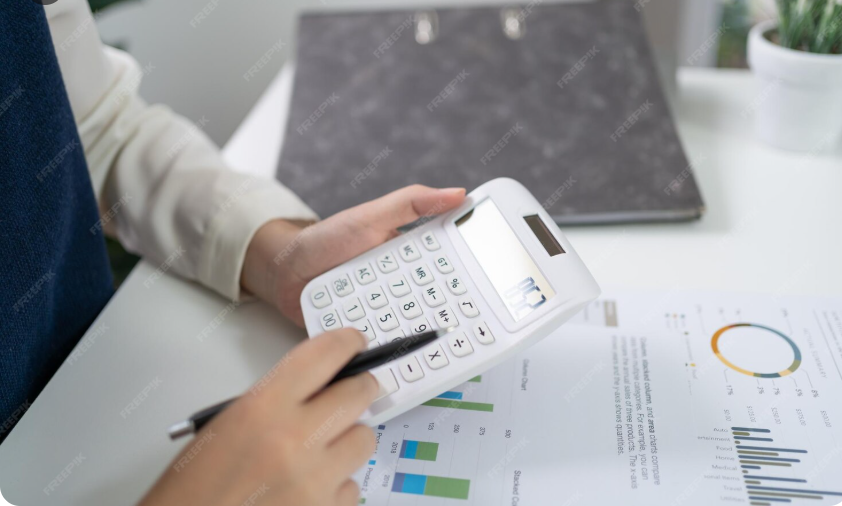
A business gas bill isn’t just a number; it shows exactly how much gas your business uses and what you’re paying for it. Understanding the different parts of your bill can help you spot ways to save money and make smarter choices about energy use. By keeping track of your usage and knowing what drives the costs, you can plan and reduce unnecessary expenses.
What Is a Business Gas Bill and How Does It Work
A business gas bill shows exactly how much gas your company has used over a certain period and how much you need to pay. It’s not just a number on a page it’s a breakdown of different charges that all add up to your total.
Here’s how it works:
- Unit Charges: This is the cost for the actual gas consumed, which is measured in kilowatt-hours (kWh). The higher the gas consumption of your business, the larger this share of the bill will be.
- Standing Charges: A daily fee that remains constant, which takes care of the gas supply and the infrastructure maintenance, regardless of the gas usage being high or low.
- Taxes and Levies: VAT is generally included in the bills, and the Climate Change Levy (CCL), which is a government charge imposed on energy consumption, is also included in some cases.
Your gas meter measures how much gas you use, and that usage is multiplied by the unit rate. The standing charges and taxes are then added to give your total bill.
Understanding the mechanism of your bill will undoubtedly facilitate saving. As an illustration the usage of gas could be lessened during the off-peak hours, making sure that there is no wastage of energy through equipment running unnecessarily, or even the installation of more energy-efficient heating systems, which will not only lead to a reduction in unit charges but also result in lower overall costs.
Breakdown of Average Small Business Gas Bills in the UK
In UK, the average small business gas bill is estimated to be about £950 a year in 2025, but the number is not fixed, and it could change depending on the size and location of the business, as well as the patterns of consumption. The factors that impact the bill include:
- Business Size: Naturally, larger premises consume more gas.
- Location: Regional distribution costs can have an impact on prices.
- Usage Patterns: This is the case of businesses that require more heating or operate in colder climates, which will result in higher bills.
The knowledge of the average bill is a great help in comparing your costs and making a decision on whether or not your current tariff or consumption habits are reasonable.
Average Gas Costs for Small Businesses

You must be aware of the average expenditure and the gas market prices in order to handle the energy budget of your company. In this section, the section depicts the charges that you may pay and the aspects that may affect your bill. Knowing the average rates will enable you to know whether your business is overpriced and also speak to ways of reducing the cost. When you keep track of what you are drinking compared to these averages, then it is much easier to predict how much energy you are going to burn up during the year.
Typical Business Gas Prices and Ranges in the UK
As of 2025, the small businesses in the UK are approximately charged the following cost of gas in the UK:
- Unit Rates: This will be about 6.47p per kWh, though this may differ depending on your supplier and the plan that you are on.
- Standing Charges: Approximately 39.9p/day, this is the charge that is used to keep up your gas supply.
These are a decent estimate, yet your actual bill may have more or less, depending on the nature of your contract, the amount of energy your business consumes, and the supplier that you are with. It is also a good idea to check your tariff now and then in order to avoid paying more than is required and to get the best deals should you find a good one.
Key Factors That Influence Your Small Business Gas Bill
A number of factors may influence the price you pay for gas:
- Energy Efficiency: Poorly insulated buildings use more gas, as do those with olden day boilers.
- Supplier Rates: Different suppliers have varying unit prices and standing charges.
- Contract Type: Fixed contracts offer price stability, whereas variable rates may fluctuate with the market.
- Business Usage: The number of operational hours and the type of equipment also affect consumption.
With these factors, you are able to take some real actions in order to have a lower consumption, and your total bill is reduced.
Practical Ways to Lower Your Business Gas Costs

Reducing the amount of business gas can be entirely done as long as you plan out and watch the way your business consumes energy. By understanding your bill, keeping track of usage, and making simple changes, you can save a noticeable amount over the year. These are tips that are easy to implement and practical, such as advice on businesses with a British Gas business bill.
Comparing Suppliers and Business Gas Prices
One of the most effective ways to save money is to compare gas suppliers and their tariffs regularly. Prices can vary quite a lot between providers, so taking the time to review your options can make a big difference. Online comparison tools make it easier to see and compare:
- Unit Rates: How much you pay for each kilowatt-hour (kWh) of gas your business uses.
- Daily Standing Charges: This charge is a fixed amount that you have to pay each day to ensure your gas supply is being kept on.
- Contract Terms and Flexibility: The length of your contract, your rate that can be fixed or variable, and what charges you have to pay to terminate.
Changing suppliers, or re-negotiating the one you already have, would save your business several hundred pounds per year, particularly when you are already on a variable rate of a lapsed contract. Even modest monthly savings will pay off, and added together with proper use of energy, this can be a significant difference to your total expenses.
Tips to Reduce Your British Gas Business Bill and Save Money
In the case of a business with British Gas, some of the cost-cutting measures that can be adopted include:
- Check Your Tariff: Be sure that you are on the most economical plan that will be used in the business.
- Negotiate Terms: Negotiate with British Gas about possible discounts or better contract terms.
- Energy-saving tips: Get rid of old heaters and replace them with new ones that use less energy. Also, improve insulation and set up programmable thermostats to use less gas.
Your monthly bill can go down if you make simple changes, like turning off electronics when they’re not in use.
Conclusion
Real steps, learning the average gas bill for a small business UK, and understanding your business gas bill can really help you save money every month. Over time, small things like reviewing your rates, comparing suppliers, or making your home more energy efficient can save you a lot of money.
Take control of your energy costs today with PriceBuddy. It helps you compare suppliers, find better deals, and make smarter choices for your business. By staying on top of your energy use, you can save money and make your business more efficient.