Skip to content
A business gas connection is a critical part of getting any commercial property operational—whether you’re opening a new site, upgrading existing infrastructure, or switching suppliers. Choosing the right connection type, understanding the technical requirements, and managing timelines correctly can save a business significant money and prevent costly delays. This guide explains everything UK businesses must know, including new business gas connection requirements, installation timelines, regulatory responsibilities, and how to ensure a safe and reliable setup. By following a structured process, companies can avoid the common pitfalls that often hinder project progress.
What a Business Gas Connection Is and Why It Matters for Operations

A business gas connection refers to the link between your commercial property and the local gas distribution network. This connection ensures a consistent supply of gas for heating, kitchen operations, manufacturing machinery, or any process that requires it. Without the right connection type, businesses face disruptions, safety risks, and unexpected energy expenses. In the UK, commercial connections require more detailed assessments compared to residential setups due to higher capacity needs. Understanding these differences helps you plan and select a reliable business gas connection that matches your long-term operational goals.
Types of Business Gas Connections in UK
Standard Business Gas Connections
Standard business gas connections are suitable for offices, small shops, and commercial units with moderate gas usage. They require minimal infrastructure adjustments and follow a predictable installation timeline. This option is cost-effective and ideal for businesses that don’t require large-capacity meters.
New Business Gas Connection for Startups and Relocations
A new business gas connection is necessary when a property has no existing gas infrastructure. This is common for newly built units, warehouses, and renovated sites. The process includes site surveys, network assessments, and meter installation to ensure compliance with UK gas standards.
Upgraded or High-Capacity Gas Connections
Large businesses, restaurants, and industrial sites may require upgraded or high-capacity meters. These connections support higher energy loads and require closer coordination with engineers. Upgrades ensure efficient performance without risk of pressure drops.
Temporary Business Gas Connections
For construction sites, events, or short-term commercial projects, a temporary business gas connection in the UK may be the best solution. These connections are quick to install and cost-effective for limited-duration operations.
Step-by-Step Business Gas Connection Process
The business gas connection process in the UK involves several stages designed to ensure safety, compliance, and the correct meter capacity. The journey begins with a technical site assessment, followed by paperwork submission, infrastructure planning, and final installation. Each stage has its own requirements, and delays often occur when businesses are not prepared with the correct documentation. By understanding this process in advance, companies can plan timelines realistically and avoid unnecessary downtime. Below is a clear breakdown of how the UK process works from start to finish.
Step 1 – Site Survey and Load Assessment
A qualified engineer evaluates the property to determine distance from the gas main, usage requirements, and meter type. Accurate load calculation prevents undersized or oversized installations, which affect long-term costs.
Step 2 – Submitting Applications to Network Operators
Businesses must file connection applications with their gas transporter or distribution network operator. This step ensures compliance with UK regulations and establishes the project’s estimated cost and timeline.
Step 3 – Infrastructure and Meter Installation
Once approved, engineers install the service pipe, gas meter, and any supporting infrastructure. This stage may involve excavation, pipe upgrades, or internal modifications, depending on site complexity.
Step 4 – Activation and Supply Testing
After installation, safety checks and pressure tests confirm the system is ready for gas flow. Only after passing all compliance checks can the supply be activated for operational use.
Quick Summary of the Process:
- Site inspection
- Technical design
- Formal application
- Infrastructure installation
- Meter setup
- Final safety checks and activation
Factors Affecting Business Gas Connection Costs in UK

The cost of a business gas connection in the UK varies depending on several technical and logistical factors. Property type, distance from the nearest gas main, excavation needs, and the size of the meter all influence the quote. Unexpected site conditions—like underground utilities or access restrictions—may extend project timeframes and increase total expenses. Businesses must budget for regulatory fees, engineering labor, and potential property modifications. Understanding these variables ensures you receive transparent pricing and prevents unpleasant surprises.
Distance from Gas Main
The farther your property is from the main pipeline, the more material and labor are required. This directly increases project costs.
Meter Size Requirements
High-usage businesses require larger or multiple meters, impacting installation complexity and pricing. Accurate load forecasting is essential.
Excavation and Property Complexity
Hard-to-reach areas, concrete surfaces, or restricted sites may require specialist equipment and additional labor.
Choosing the Right Business Gas Meter for Your Needs
A commercial gas meter must match your usage patterns to ensure operational efficiency and cost control. The UK market offers several meter options, each designed for different business sizes and consumption levels. Choosing the wrong meter can lead to inaccurate billing or supply issues. Working with qualified engineers helps ensure your meter aligns with actual demand.
Standard Gas Meters
Suitable for small offices or low-usage commercial units. These meters offer reliable performance and straightforward installation.
Smart Gas Meters
Smart meters provide real-time usage tracking and automated readings. They improve cost visibility and help businesses manage consumption more effectively.
High-Capacity Industrial Meters
Designed for factories, restaurants, manufacturing plants, and large commercial environments requiring strong continuous flow.
Common Challenges in the Business Gas Connection Process
Businesses often face delays and unexpected costs due to incomplete documentation, poor planning, and incorrect meter selections. Understanding these challenges allows you to prepare solutions in advance. Regulatory compliance also plays a major role in determining how quickly your connection can be approved.
Missing Technical Information
Incorrect or missing data about gas requirements can lead to redesigns and project delays.
Network Access Limitations
Some areas require major infrastructure work if the nearest gas main is too far or restricted.
Delay in Regulatory Approvals
Approvals can take longer if documents or property details do not meet UK safety standards.
How to Speed Up Your Business Gas Connection
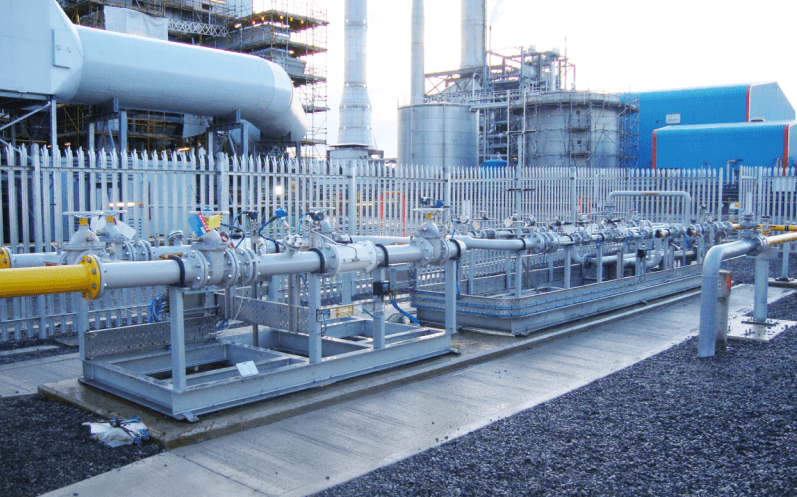
Speeding up the business gas connection process requires proactive planning and proper coordination. Providing complete technical information upfront allows engineers to design accurate connection plans. Choosing experienced gas installers reduces the risk of errors or delays. Businesses that engage early with network operators also benefit from clearer timelines and cost transparency. These strategies help ensure your connection is completed on schedule.
Prepare Accurate Technical Details
Provide exact usage forecasts, site drawings, and meter preferences to avoid redesigns.
Work With Experienced Engineers
A qualified installer can identify potential site challenges early and streamline approvals.
Plan Property Access in Advance
Ensure clear access paths for excavation teams, delivery crews, and safety inspectors.
FAQs
1: How long does a business gas connection take?
Most UK business connections take 4–12 weeks, depending on site conditions and application speed.
2: What documents are required?
Load requirements, site diagrams, property details, and installation preferences.
3: What is the average cost?
Costs vary widely based on distance, meter type, and excavation needs.
4: Can I choose my own gas supplier after installation?
Yes, once the meter is installed and activated, businesses can choose any UK supplier.
5: Is a site survey mandatory?
Yes, surveys ensure safety compliance and accurate meter sizing
6: Can a consultant help with the business gas connection process?
Yes, independent advisors like PriceBuddy can help clarify requirements and guide businesses through the connection steps.
Final Thoughts
A smooth and cost-effective business gas connection comes down to proper planning, accurate site information, and understanding how the UK connection process works. When businesses prepare in advance, choose the right meter size, and coordinate early with network operators, they reduce delays and avoid unnecessary expenses.
For companies handling a new business gas connection or upgrading an existing setup, getting professional guidance can be helpful—especially when dealing with technical assessments or comparing supplier options. Independent consultants like Price Buddy can support businesses by clarifying requirements, estimating usage, and helping ensure the connection plan aligns with operational needs. This type of guidance simply provides clarity, not sales pressure, giving businesses more confidence throughout the process.