Skip to content
Installing gas meters is an essential requirement for properties that rely on gas for heating, cooking, or operational use. Whether you are a homeowner, landlord, or business owner, understanding how gas meter installation works helps you make informed decisions, control costs, and remain compliant with safety regulations. This guide explains the process of installing gas meters in detail, covering types of meters, costs, regulations, smart technology, and how future energy trends may affect gas and electricity prices.
What Is a Gas Meter, and Why Is It Important?
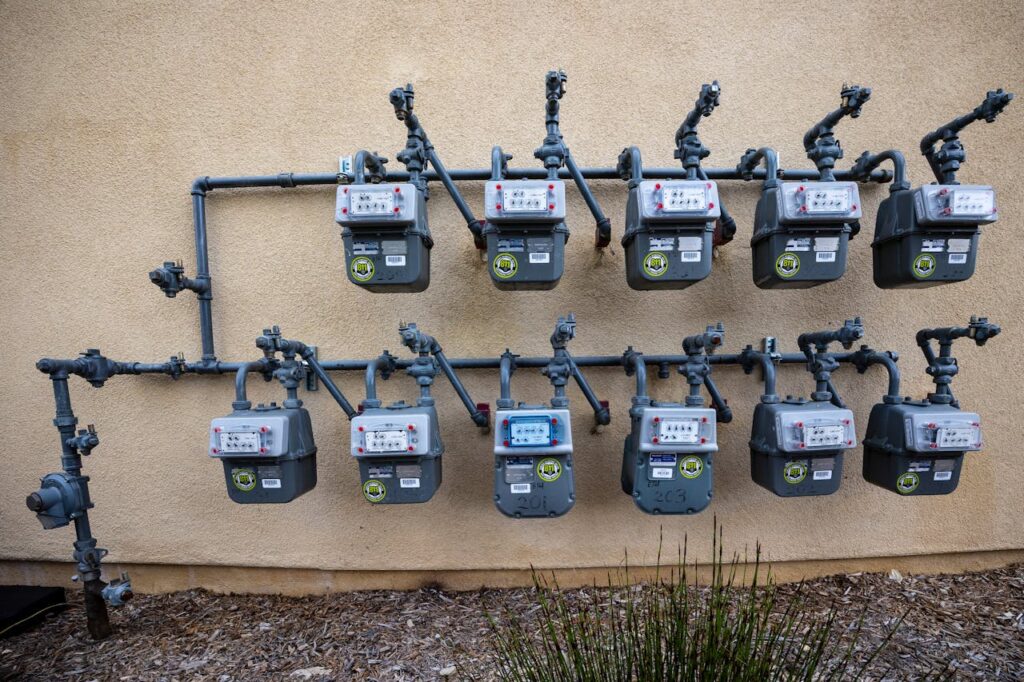
A gas meter is a device that measures the volume of gas consumed at a property. This measurement forms the basis of your gas bill and ensures accurate charging based on actual usage. Without a properly installed gas meter, it would be impossible for suppliers to bill fairly or detect unusual consumption patterns that could indicate leaks or inefficiencies.
Gas meters also play a vital safety role. When installed correctly, they help regulate gas flow and allow emergency shut-off in case of faults. Modern meters, particularly smart gas meters, enhance this role by providing more accurate data and enabling quicker detection of irregular usage. As energy costs fluctuate, accurate metering has become more important than ever for managing household and business expenses.
Understanding the Role of a Gas Meter
- Measures the volume of gas consumed by a property
- Ensures accurate billing based on actual usage rather than estimates
- Acts as a control point for gas supply and emergency shut-off
Why Accurate Gas Meter Installation Matters
- Prevents overbilling or underbilling
- Helps identify unusual usage or potential leaks
- Ensures compliance with legal and safety standards
Gas meters form the foundation of safe and fair gas supply, making proper installation critical for both residential and commercial properties.
Types of Gas Meters Available Today
There are several types of gas meters in use today, each designed to meet different needs. Traditional gas meters are mechanical devices that have been in use for decades. They are reliable but require manual readings, which can lead to estimated bills if readings are missed.
Smart gas meters are the latest advancement and are becoming the standard across the UK. These meters automatically send readings to suppliers, eliminating estimated bills and reducing administrative errors. They also allow users to track consumption more easily, often through an in-home display. Choosing the right meter depends on usage patterns, property type, and long-term energy management goals.
Traditional Gas Meters
These are the older-style mechanical gas meters. They work reliably but require you to submit manual readings.
- Use physical dials to measure gas usage
- Require manual meter readings
- Common in older properties
- Reliable but prone to estimated billing errors
Smart Gas Meters
Smart gas meters automatically transmit your usage data to your provider, so you don’t have to send readings manually. They also connect to an in-home display to help you see usage in near-real-time.
- Automatically send readings to energy suppliers
- Display usage data through in-home devices
- Reduce estimated bills and billing disputes
- Support better energy management and budgeting
Smart gas meters are increasingly common due to national rollout programs and long-term efficiency benefits.
Who Needs to Consider Installing Gas Meters?
Installing gas meters is necessary in several situations. New homeowners may need a meter if the property has never had a gas supply or if the existing meter has been removed. Developers and landlords often require new installations when constructing or renovating properties.
Businesses also frequently need gas meters installed or upgraded to handle higher consumption levels. Additionally, older meters may need replacing due to age, accuracy concerns, or regulatory requirements. Anyone switching to a smart tariff or seeking better control over energy use may also benefit from installing new gas meters.
Homeowners and Tenants
- Moving into properties without an existing gas meter
- Replacing outdated or faulty meters
- Switching to smart energy monitoring
Landlords and Property Developers
- New-build residential projects
- Renovated properties requiring new gas connections
- Compliance with rental safety standards
Businesses and Commercial Properties
- Higher gas demand requires larger meters
- Expanding operations or changing usage patterns
- Compliance with commercial energy regulations
The Complete Process of Installing Gas Meters
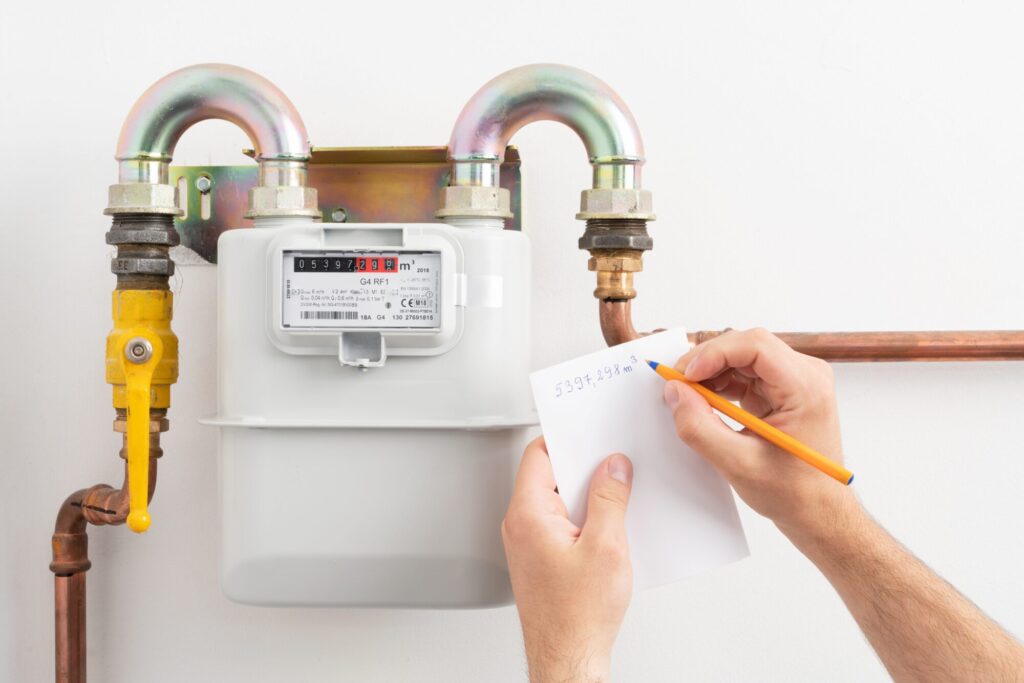
The gas meter installation process begins with a site assessment. A qualified technician checks the location, access points, pipework condition, and safety clearances. This step ensures the installation meets all legal and safety standards before work begins.
Once approved, the installation itself involves connecting the meter to the gas supply, testing for leaks, and calibrating the system. For smart gas meters, additional steps include setting up communication hubs and verifying data transmission. After installation, engineers perform safety checks and explain how to read and use the meter. The entire process is designed to minimize disruption while ensuring compliance and safety.
Pre-Installation Survey and Assessment
- Evaluation of meter location and accessibility
- Inspection of existing gas pipework
- Identification of safety risks or required upgrades
Approval and Scheduling
- Coordination with gas suppliers or distribution networks
- Confirmation of installation scope and costs
- Scheduling work at a suitable time
Installation and Testing
- Physical installation of the gas meter
- Leak testing and pressure checks
- Calibration and commissioning of the meter
Post-Installation Handover
- Explanation of how to read and use the meter
- Registration of the meter with the supplier
- Provision of safety and compliance documentation
Gas Meter Installation Costs Explained
The cost of installing gas meters varies depending on several factors, including property type, location, and whether the connection is new or a replacement. In the UK, a standard domestic gas meter installation typically costs between £150 and £400. New connections, which require additional pipework, can cost significantly more.
Commercial installations are usually more expensive due to higher-capacity meters and stricter safety requirements. Smart gas meters are often installed at no upfront cost by energy suppliers, as part of national rollout programs. However, additional work such as relocating a meter or upgrading pipework may incur extra charges.
Domestic Gas Meter Installation Costs
- Typical range: £150–£400
- Higher costs for new connections or relocations
- Influenced by pipe length, access, and property type
Commercial Gas Meter Installation Costs
- Higher-capacity meters increase installation complexity
- Costs often range from £200 to £2,000+
- Additional compliance and safety requirements apply
Smart Gas Meter Installation Costs
- Usually installed free of charge by suppliers
- Covered through energy standing charges
- Additional work may incur extra costs
Free Gas Meter Installation: What You Should Know
Many people are surprised to learn that free gas meter installation is often available. In most cases, energy suppliers offer smart gas meters at no direct cost to customers. The installation expense is recovered gradually through standing charges rather than a one-time upfront fee.
While the meter itself is free, it is important to understand what is included. Free installation usually applies only when no major alterations are required. If your property needs structural changes, extended pipework, or meter relocation, additional charges may apply. Understanding these conditions helps avoid unexpected costs.
When Installation Is Free
- Smart gas meters provided by energy suppliers
- Standard replacement without major alterations
- Part of the national smart meter rollout programs
When Extra Charges May Apply
- Meter relocation requests
- Pipework upgrades or extensions
- Structural changes or restricted access
Understanding these conditions helps avoid unexpected costs during installation.
Installing Gas Meters in the UK: Regulations and Safety Standards

Installing gas meters in the UK is strictly regulated to protect public safety. Only certified professionals are legally permitted to install or modify gas meters. This ensures that all work complies with national safety standards and reduces the risk of leaks or accidents.
Meters must be installed in accessible locations with proper ventilation and clearance. Property owners are responsible for maintaining safe access to the meter. Compliance with these regulations is essential, particularly for landlords and businesses, as failure to meet standards can result in penalties or invalid insurance coverage.
Legal Requirements
- Only certified professionals may install gas meters
- DIY installation is illegal and unsafe
- Compliance with national gas safety regulations
Meter Placement and Accessibility Rules
- Adequate ventilation required
- Clear access for readings and maintenance
- Safe distance from ignition sources
Following regulations protects occupants and ensures insurance validity.
Smart Gas Meters: Benefits Beyond Billing
Smart gas meters offer benefits that go beyond accurate billing. By providing real-time usage data, they help households and businesses understand consumption patterns and identify ways to reduce waste. This can lead to better budgeting and more efficient energy use.
Another key advantage is improved customer experience. Automatic readings mean fewer disputes and faster resolution of billing issues. As energy systems become more integrated, smart gas meters will play an increasingly important role in managing combined gas and electricity usage effectively.
Energy Monitoring and Control
- Real-time visibility of gas consumption
- Easier identification of high-usage appliances
- Supports cost-saving behaviour changes
Improved Billing Accuracy
- Automatic readings eliminate estimates
- Faster issue resolution
- Better alignment with energy tariffs
Smart gas meters support more informed energy decisions for households and businesses.
Maintenance and Lifespan of Gas Meters
Gas meters are designed to last many years, but they are not maintenance-free. Over time, wear and tear can affect accuracy, especially in older mechanical meters. Regular inspections ensure that meters continue to function correctly and safely.
Smart gas meters typically require less maintenance but may need software updates or component checks. Suppliers usually handle these aspects. Knowing when a meter is due for replacement helps prevent inaccurate readings and ensures compliance with industry standards.
Routine Maintenance Expectations
- Periodic safety inspections
- Supplier-managed checks for smart meters
- Monitoring for wear or accuracy issues
When Replacement Is Needed
- End of certified lifespan
- Faulty or inaccurate readings
- Upgrade to smart technology
Regular maintenance ensures safety and billing accuracy.
Future Trends in Gas Meter Installation and Energy Costs
The future of installing gas meters is closely linked to changes in the wider energy market. As the UK transitions toward greener energy sources, gas usage patterns may evolve, affecting installation demand and pricing. Smart meters will become increasingly important for balancing energy loads and improving efficiency.
Energy costs are expected to remain volatile due to global market conditions and regulatory changes. Better data from smart meters may help consumers manage both gas and electricity costs more effectively. In the long term, integrated energy monitoring could reduce overall household and business expenses.
Expected Changes in Installation Costs
- Gradual increase due to labour and material costs
- Greater demand for smart meter upgrades
- Continued supplier-funded installations
Impact on Gas and Electricity Prices
- Smarter data helps manage energy consumption
- Integrated gas and electricity monitoring
- Potential long-term savings through efficiency
Energy data transparency will play a growing role in cost control.
Checklist Before Installing a Gas Meter
Before proceeding with gas meter installation, it is important to prepare. Ensure there is clear access to the installation area and confirm whether the work involves a new connection or replacement. Ask for a detailed breakdown of costs and confirm whether the installation qualifies for free smart meter programs.
Understanding what documentation you will receive after installation is also important. This includes safety certificates and meter registration details. Proper preparation helps ensure a smooth and stress-free installation experience.
Preparation Steps
- Confirm installation type (new or replacement)
- Ensure clear access to the meter location
- Request written cost estimates
Questions to Ask Installers
- Is the installation eligible for free smart meters?
- Are additional works included in the quote?
- What documentation will be provided?
Good preparation reduces delays and surprises.
FAQs
Is installing gas meters expensive?
Costs vary, but standard domestic installations are generally affordable, especially when smart meters are offered for free.
Can I get free gas meter installation?
Yes, many suppliers provide free smart gas meter installation, provided no additional work is required.
How long does installing a gas meter take?
Most residential installations are completed within a few hours, depending on site conditions.
Do I need a specialist for installing gas meters?
Yes, only qualified professionals are legally permitted to carry out gas meter installations.
Where can I get guidance on comparing installation options?
Consultants such as Price Buddy help people understand installation costs, supplier options, and what to expect during the process.
Conclusion
Installing gas meters is a critical step in ensuring safe, accurate, and efficient energy use. From understanding installation costs and regulations to exploring smart gas meters and future energy trends, being informed allows you to make better decisions. With many suppliers offering free gas meter installation and smart technology becoming the norm, now is an ideal time to review your setup.
For those seeking clarity on pricing, requirements, or available options, resources like Price Buddy can provide helpful insight when planning gas meter installation, ensuring the process is smooth, compliant, and future-ready.