Understanding how many kilowatt-hours (kWh) your business uses each month is essential for managing costs and avoiding unnecessary overspending. Many business owners pay electricity bills without fully understanding what drives the numbers behind them. In reality, Small Business Electricity usage directly affects the tariffs you’re offered, the rates you pay, and how predictable your energy costs are. By knowing what “normal” usage looks like and how your business compares, you gain far more control over your energy spend. This guide explains everything in clear, practical terms for UK small businesses.
Understanding Small Business Electricity Usage

Small Business Electricity usage refers to the total amount of power your business consumes to operate day to day. This includes lighting, heating, cooling, appliances, IT equipment, and specialist machinery. Unlike domestic electricity, Business Electricity usage is often higher and more variable due to longer operating hours and commercial-grade equipment. Usage is measured in kilowatt-hours (kWh), which appear on your electricity bill each month. Understanding how these units are used helps businesses identify waste, plan budgets, and choose suitable electricity tariffs. Without this knowledge, businesses often end up with expensive default rates.
Important points for business owners:
- kWh shows how much electricity you use, not how much you pay
- Higher usage increases exposure to poor unit rates
- Business premises often have higher base loads than homes
- Usage patterns matter as much as total consumption
- Lack of understanding leads to rollover or deemed tariffs
Average Small Business Electricity Usage Per Month
The average Small Business Electricity usage per month depends largely on the size and nature of the business. Microbusinesses with a few employees often use between 1,000 and 3,000 kWh per month, while small offices and retail units typically consume more. Businesses in hospitality or food service generally sit at the higher end due to constant appliance use. Monthly usage figures are especially useful because they help businesses understand seasonal patterns and forecast costs. Comparing your usage to typical averages can highlight whether your consumption is efficient or unusually high.
Typical monthly usage ranges:
- Microbusinesses (1–5 staff): 1,000–3,000 kWh
- Small offices & retail units: 3,000–8,000 kWh
- Cafés, restaurants, takeaways: 8,000–15,000+ kWh
- Workshops & light industrial units: Variable, often high
Small Business Electricity Usage by Industry
Retail Shops
Retail shops rely heavily on lighting, electronic tills, and sometimes refrigeration units. Extended opening hours, particularly during winter, increase electricity consumption. Window displays and security lighting also contribute to higher Small Business Electricity usage. While individual devices may seem low-cost, their combined usage across long trading hours adds up quickly. Energy-efficient lighting and timed controls can significantly reduce monthly usage.
Key contributors to retail electricity use:
- Internal and external lighting
- Refrigeration and display units
- Electronic tills and security systems
- Longer winter trading hours
- Overnight base consumption
Offices
Office-based businesses tend to have more predictable electricity usage patterns. Computers, monitors, servers, printers, and heating or cooling systems are the main contributors. Usage typically peaks during working hours and drops overnight. Offices that invest in efficient IT equipment and smart heating controls often see noticeable reductions in Business Electricity usage. Even small changes, like powering down unused equipment, can make a measurable difference.
Office electricity drivers include:
- Computers and monitors running all day
- Servers and networking equipment
- Heating, ventilation, and air conditioning
- Meeting room technology
- Standby power outside office hours
Cafés, Restaurants, and Takeaways
Hospitality businesses usually have the highest Small Business Electricity usage per month. Ovens, fryers, refrigeration, extraction fans, and dishwashers often run for long periods. Electricity demand remains high even outside customer-facing hours due to food safety requirements. Because usage is intensive, choosing the right tariff and monitoring consumption closely is critical. Poor tariff choices can significantly increase operating costs.
Why is hospitality electricity use high?
- Commercial cooking equipment
- Refrigeration running 24/7
- Extraction and ventilation systems
- Long operating hours
- Compliance-driven energy use
Workshops and Light Industrial Units
Workshops use electricity for tools, machinery, lighting, and sometimes heating large spaces. Usage can fluctuate depending on workload and operating hours. Power-hungry equipment can push monthly consumption well above average small business levels. Businesses in this sector benefit from understanding peak usage times and whether flexible or time-of-use tariffs could reduce costs.
Common electricity demands:
- Machinery and powered tools
- High-output lighting
- Space heating for large units
- Irregular but intense load spikes
- Potential eligibility for specialist tariffs
Small Business Electricity in the UK – What Makes Usage Different?

Small Business Electricity in UK operates under different rules than the domestic supply. Businesses typically pay higher unit rates and are charged VAT at 20%, which immediately increases bills. Network charges and regional pricing also influence overall costs. UK businesses may also be placed on half-hourly meters once usage reaches certain levels, affecting how electricity is billed. Seasonal weather, shorter daylight hours, and heating demands further shape electricity consumption patterns throughout the year.
UK-specific factors include:
- 20% VAT instead of 5%
- No price cap protection
- Regional distribution charges
- Half-hourly metering thresholds
- Seasonal daylight and heating needs
How to Calculate Your Small Business Electricity Usage
Calculating Small Business Electricity usage starts with reading your meter or bill. Subtract the previous meter reading from the current one to find the kWh used during that period. If your bill shows annual usage, dividing it by 12 gives an estimated monthly figure. Smart meters and half-hourly meters provide more detailed insights into when electricity is used. This information is extremely valuable when reviewing tariffs or planning cost reductions.
Steps to calculate usage:
- Locate current and previous kWh readings
- Subtract to find total usage
- Divide annual kWh by 12 for the monthly average
- Review half-hourly data if available
- Track changes month by month
Small Business Electricity Prices and Monthly Cost Estimates
Small Business Electricity prices are made up of a unit rate (cost per kWh) and a daily standing charge. The more electricity your business uses, the more impact the unit rate has on your bill. For example, a business using 5,000 kWh per month will see far greater savings from a lower unit rate than from a reduced standing charge. Monthly cost estimates help businesses forecast cash flow and avoid bill shocks. Understanding the pricing structure is essential when comparing electricity offers.
What affects monthly costs most:
- Unit rate per kWh
- Total monthly kWh usage
- Standing charge level
- Contract length and timing
- Market conditions at renewal
Small Business Electricity Tariffs Explained
Small Business Electricity tariffs determine how much you pay for each unit of power and how stable your costs are over time. Fixed tariffs offer price certainty, while variable tariffs move with the market. Deemed and rollover tariffs are often significantly more expensive and usually apply when no contract is in place. Some businesses may benefit from time-of-use tariffs, which offer lower rates during off-peak hours. Choosing the wrong tariff can result in paying more, even if usage is relatively low.
Common tariff types:
- Fixed-rate tariffs
- Variable-rate tariffs
- Deemed and out-of-contract rates
- Time-of-use tariffs
- Flexible and half-hourly contracts
Choosing the Best Small Business Electricity UK Deal
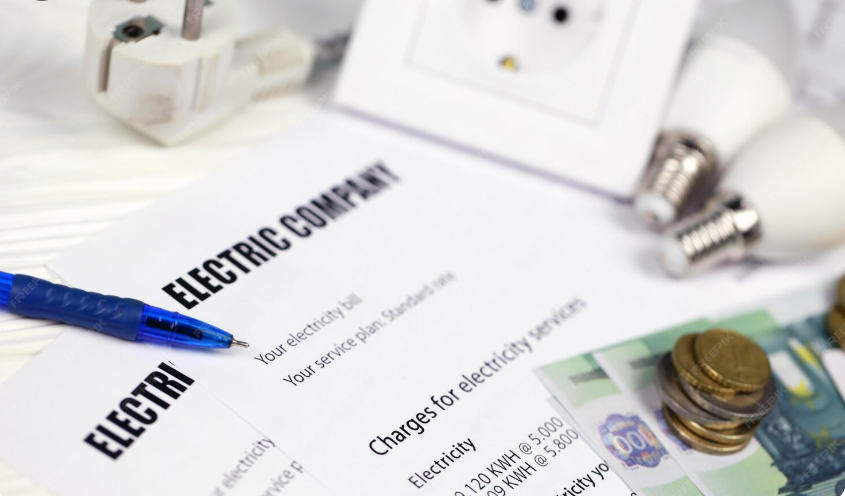
The best Small Business Electricity UK deal is not always the cheapest headline rate. It depends on how much electricity you use, when you use it, and how much price certainty you need. Contract length, exit fees, and meter type all influence whether a deal is suitable. Businesses with stable usage may benefit from longer fixed contracts, while others prefer flexibility. Matching tariffs to real usage patterns leads to better long-term value.
What to assess before choosing a deal:
- Monthly and annual usage levels
- Peak vs off-peak consumption
- Contract length and exit terms
- Meter type and data availability
- Business cash-flow needs
How to Reduce Small Business Electricity Usage Per Month
Reducing monthly electricity usage starts with identifying where energy is being wasted. Switching to LED lighting, upgrading inefficient appliances, and improving insulation can have immediate effects. Simple operational changes, such as turning off unused equipment and optimising heating schedules, also help. Staff awareness plays a key role in managing consumption. Monitoring usage regularly allows businesses to measure progress and make informed decisions.
Effective reduction strategies:
- LED lighting upgrades
- Smart heating and timers
- Equipment shutdown policies
- Appliance efficiency upgrades
- Staff energy awareness training
Small Business Electricity Rates – What Influences Them?
Small Business Electricity rates are influenced by wholesale energy markets, supplier pricing strategies, and business risk profiles. Meter type, location, and contract timing all affect the rates offered. Businesses renewing contracts during volatile market periods may face higher prices. Credit checks and payment history can also influence available rates. Understanding these factors helps businesses time renewals more effectively.
Rate influencers include:
- Wholesale market conditions
- Contract start date
- Metering and data quality
- Business credit status
- Supplier risk assessment
Common Small Business Electricity Mistakes to Avoid
Many businesses overpay due to simple but costly mistakes. Staying on rollover or deemed contracts is one of the most common issues. Others assume domestic electricity rules apply to businesses, which is rarely the case. Ignoring usage data or failing to review contracts regularly also leads to unnecessary costs. Avoiding these mistakes can significantly reduce annual electricity spend.
Mistakes to watch out for:
- Automatic contract rollovers
- Ignoring renewal windows
- Not understanding kWh usage
- Assuming “small” means cheap
- Failing to review tariffs annually
FAQs
How many kWh does a small business use per month?
Most small businesses use between 1,000 and 8,000 kWh per month, depending on size, industry, and operating hours.
Is Small Business Electricity more expensive in the UK?
Yes, Small Business Electricity in UK is generally more expensive than the domestic supply due to higher VAT and different pricing structures.
How can I tell if my electricity usage is high?
Comparing your usage with similar businesses and reviewing meter data provides clarity. Independent electricity consultants, such as Pricebuddy, often help businesses interpret usage trends and tariff suitability.
When should I review my business electricity contract?
Ideally, 3–6 months before the contract end date to avoid rollover rates.
Final Thoughts
Knowing how many kWh your business uses each month gives you genuine control over one of your most significant overheads. Small Business Electricity costs are shaped by usage patterns, tariffs, and timing—not just headline prices. Businesses that monitor consumption, review contracts regularly, and understand their data consistently perform better financially. Independent advisers, such as Price Buddy, frequently emphasize that informed, proactive decisions lead to more stable and predictable energy costs. With the right insight, electricity becomes a manageable operational expense rather than an ongoing concern.