Skip to content
Finding the cheapest gas supplier for your UK business isn’t as simple as a single name on a price list. Unlike domestic energy pricing, business gas markets are more complex, driven by contract lengths, usage bands, meter types, and fluctuating wholesale costs. A supplier that appears to be the cheapest at first glance may not deliver the lowest bill once standing charges and exit fees are factored in. For many businesses, understanding how to compare tariffs correctly pays off even more than chasing the headline-lowest price.
This guide walks you through everything you need to know — from what the cheapest business gas supplier really means, to how market forces affect prices, to practical strategies for comparison and switching. Let’s dive in.
What Does “Cheapest Gas Supplier” Mean for UK Businesses?

When UK businesses talk about the cheapest gas supplier, what they’re really trying to find is the lowest annual cost on the energy bill — not just the lowest unit rate on paper. Business energy contracts include two main pricing elements:
- Unit rate (pence per kWh) — what you pay for each kilowatt-hour of gas consumed.
- Standing charge (pence per day) — a daily fee for connection and administration, regardless of usage.
Some suppliers may offer very low unit rates but high standing charges, which can make them more expensive overall for businesses with low usage. Likewise, fixed-rate contracts might offer price stability, but the headline cheaper rates may come with early exit fees or restricted flexibility.
So “cheapest” must always be seen in context — usage profile, contract terms, and your business’s future energy needs.
Why There Is No One Cheapest Gas Supplier in the UK
The UK commercial gas market is competitive, but there’s no single universal cheapest gas supplier in UK that fits every business type. This is because:
- Prices vary by business size — microbusinesses often have different price bands than medium and large enterprises.
- Contract terms matter — 1-year, 2-year, and 3-year deals all have different pricing structures.
- Location and meter type affect delivery costs, too.
- Suppliers update tariffs regularly based on wholesale market moves.
For example, some panels show Smartest Energy as having the lowest average annual cost for a 25,000 kWh business gas profile on a two-year fix, while others list British Gas Lite as very competitive, depending on how the standing charge is applied.
So, while you can identify the cheapest gas suppliers, the right one depends on your business specifics.
Cheapest Gas Supplier UK – What Influences Business Gas Prices?

Wholesale Gas Market Fluctuations
Wholesale gas prices play a huge role in how suppliers price energy contracts. When global or regional gas prices move — due to geopolitical events, weather, or demand shifts — suppliers adjust their fixed and variable rates accordingly. Because business contracts are often negotiated weeks or months ahead, retail pricing can lag behind wholesale trends.
This means a tariff that looked competitive at the time you signed up might be higher compared to new deals later. It’s one reason comparing live quotes periodically is essential.
Contract Length and Timing
Fixed-rate contracts lock in a set price for a specified period, usually 1–3 years. Shorter contracts may have slightly higher unit rates but greater flexibility, while longer contracts can offer security if prices rise — but risk locking you in if market prices fall.
For example, panels show Smartest Energy often offering very competitive unit rates on 1- and 2-year deals, while some traditional suppliers may offer different spreads across periods.
Standing Charges vs Unit Rates
Some suppliers compete on low per-kWh rates but charge high standing fees, which can cancel some savings for businesses with lower usage. Others structure tariffs with lower standing charges but slightly higher unit rates. It’s vital to look at the total annual cost, not just unit cost per kWh.
This balance often determines who truly is the cheapest supplier of gas for a specific business size.
Cheapest Business Gas Supplier vs Domestic Gas Suppliers
Business gas pricing is regulated differently from domestic tariffs and is typically not subject to the domestic energy price cap. That means:
- Business rates are set freely by suppliers.
- There’s greater variation in pricing between suppliers and contract types.
- Small suppliers may offer attractive rates — but they may also carry greater risk if they’re financially weaker.
That’s why a business owner might see a supplier offer “the cheapest gas supplier in UK” deals for households that don’t apply to business contracts, or vice versa.
Understanding these differences helps you avoid mismatches like applying domestic tariffs to commercial usage.
Cheapest Gas and Electric Supplier – Is Dual Fuel Cheaper for Businesses?
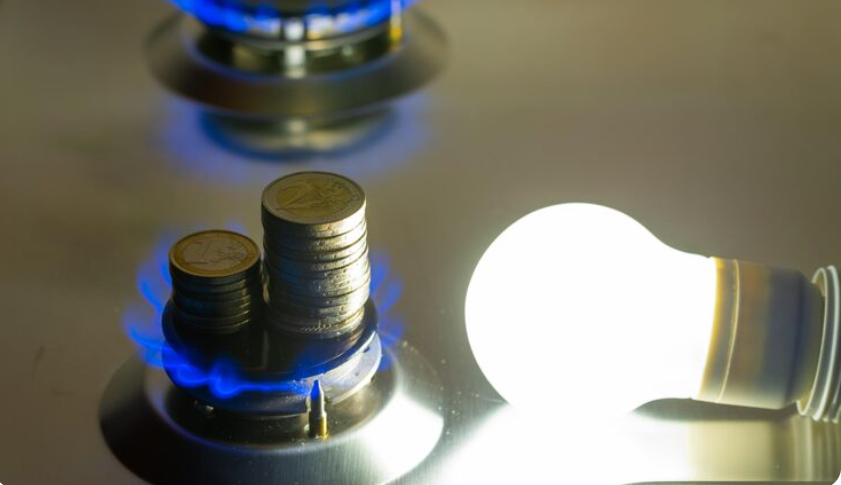
Many business owners think bundling gas and electricity with one supplier (the cheapest gas and electric supplier deal) automatically means savings. Sometimes it does, sometimes it doesn’t.
Potential advantages of bundling:
- One point of contact for billing.
- Possible overall negotiation leverage with the supplier.
Potential drawbacks:
- Electricity and gas markets behave differently — bundling might obscure the best deal in individual fuel contracts.
- Exit terms for combined contracts may be less flexible.
For some small businesses, comparing gas and electricity separately and combining the best deals can yield lower bills than a bundled tariff.
Cheapest Gas Supplier in UK for Small Businesses
Small businesses like cafes, retailers, or local offices often have tighter margins on energy spend. For them, the cheapest gas supplier UK is one that combines:
- Competitive unit rate and standing charge appropriate to their consumption.
- Transparent, easy-to-navigate billing that doesn’t surprise at month end.
- Contract flexibility if their business forecasts are uncertain.
In recent price panels, suppliers like British Gas Lite have shown competitive unit rates and standing charges for typical SME usage profiles. However, these panels also emphasize that supplier pricing changes quickly, so small businesses should compare live quotes before locking in.
How to Compare the Cheapest Gas Suppliers Correctly
Choosing a supplier based on one headline number can be misleading. Here’s a practical comparison process:
- Collect live quotes — use reputable comparison platforms or work with an energy consultant.
- Check both the unit rate and the standing charge.
- Factor contract length and early exit fees.
- Consider your business’s usage profile and growth plans.
- Look at customer service and billing support.
Because of this complexity, many businesses choose to work with consultants, brokers, or energy specialists who can break down total cost differences and not just unit rates.
Cheapest Gas Supplier vs Reliable Service – Why Both Matter
Price alone doesn’t guarantee satisfaction. A tempting low tariff might come with:
- Poor billing accuracy.
- Hard-to-reach customer service.
- Built-in limitations or automatic seasonal price increases.
For example, industry watchdogs periodically rank suppliers on service quality, and some large legacy suppliers like British Gas have historically scored lower in customer service metrics, even while offering competitive pricing.
So the best, cheapest gas supplier for your business should balance price with good support and transparency.
Cheapest Gas and Electricity Supplier – What to Watch for in Contracts
When assessing contracts:
- Check for auto-renewal clauses that lock you into higher rollover rates.
- Note termination windows — missing them can cost more than you save.
- Confirm pass-through or supplemental charges.
Again, this highlights why total annual cost and contract terms matter far more than a single rate.
Role of Business Energy Consultants in Finding the Cheapest Supplier

Business energy consultants can help you:
- Interpret complicated tariff structures.
- Tailor comparisons to your actual consumption rather than averages.
- Navigate contract terms to avoid costly exit penalties.
For example, companies like PriceBuddy offer expertise in business electricity and gas sourcing without pushing a specific supplier. They help you understand market trends and how your business compares — but always encourage informed decisions rather than sales pitches.
Working with a consultant doesn’t replace your own due diligence, but it can significantly shorten the time it takes to find a competitive and reliable deal.
How Often Should Businesses Review Their Gas Supplier?
As a rule of thumb:
- Review your supplier at least six months before contract expiry.
- If prices drop sharply in the market, consider seeking new quotes.
- Avoid staying past your exit window, as rollover rates are often higher.
Regular reviews ensure you’re not paying above market rates compared to current offerings.
Common Myths About the Cheapest Gas Supplier
Myth 1: The biggest supplier is always the cheapest.
Big suppliers may offer competitive deals because of scale, but smaller suppliers can sometimes beat them on price. Always compare.
Myth 2: Switching is risky.
With regulated processes and protections in place, switching is usually smooth if you follow the correct procedures.
Myth 3: Dual fuel always saves money.
As discussed above, this depends on the relative pricing of gas and electricity tariffs.
FAQs
Q1: Who currently offers the cheapest business gas tariffs in the UK?
Prices vary by usage and contract, but recent panels show firms such as Smartest Energy and British Gas Lite among the lowest average unit rates for typical SME usage profiles.
Q2: Is the cheapest supplier always the best choice?
Not always — reliability, service quality, billing transparency, and contract terms can outweigh slight price differences.
Q3: Should I bundle gas and electricity with one supplier?
Bundling can simplify billing, but doesn’t always yield the lowest total cost. Always compare separate and combined deals.
Q4: Can business gas prices change after I sign a contract?
Fixed contracts protect you for the term, but variable tariffs can move with market conditions. Always verify terms.
And if you’re unsure how to interpret complex tariffs, an independent consultant like PriceBuddy can help you ask the right questions and understand total costs before you commit.
Final Thoughts
There is no single cheapest gas supplier UK-wide that fits every business category. The true “cheapest supplier of gas” for your organisation depends on your:
- Usage pattern and meter type
- Contract length and renewal preferences
- Standing charges and unit rates
- Long-term energy strategy
Comparing total annual costs, not just rates per kilowatt, is critical. And while cost matters, choosing reliable cheapest gas suppliers with good support and fair contract terms often pays dividends in peace of mind and fewer billing issues.
If you need deeper analysis tailored to your business’s energy profile, consider expert support — for example, Price Buddy helps UK businesses navigate complex energy markets so you can choose confidently without bias.