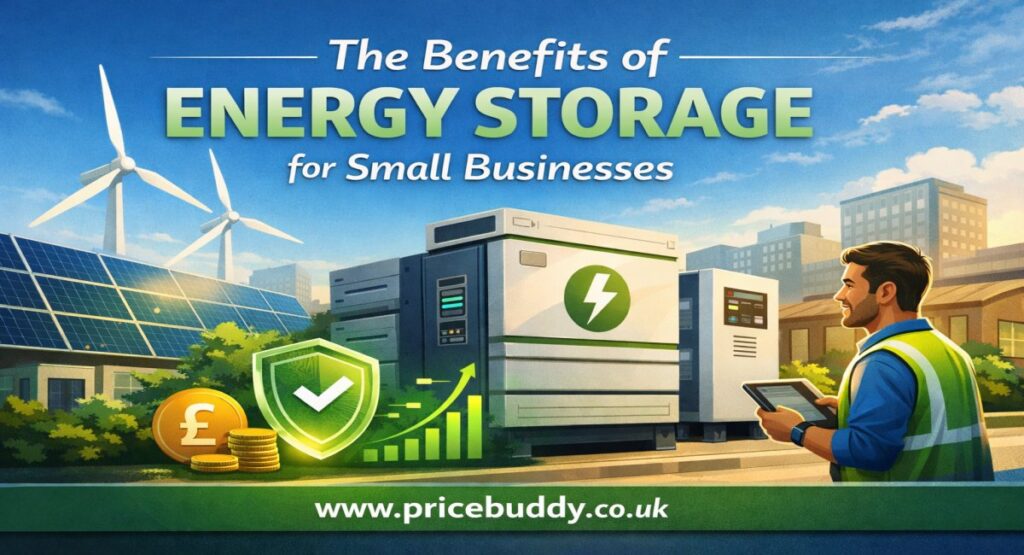
Energy costs have become one of the biggest operational pressures for small businesses in the UK. Rising electricity prices, unpredictable market conditions, and increasing strain on the National Grid have made it harder for businesses to control their energy spending. As a result, more companies are exploring energy storage to gain greater control over when and how they use electricity.
Energy storage systems allow businesses to store electricity for later use rather than relying entirely on real-time grid supply. While once considered a solution only for large industrial sites, energy storage is now increasingly accessible to small and medium-sized enterprises.
What is Energy Storage and How Does It Work?
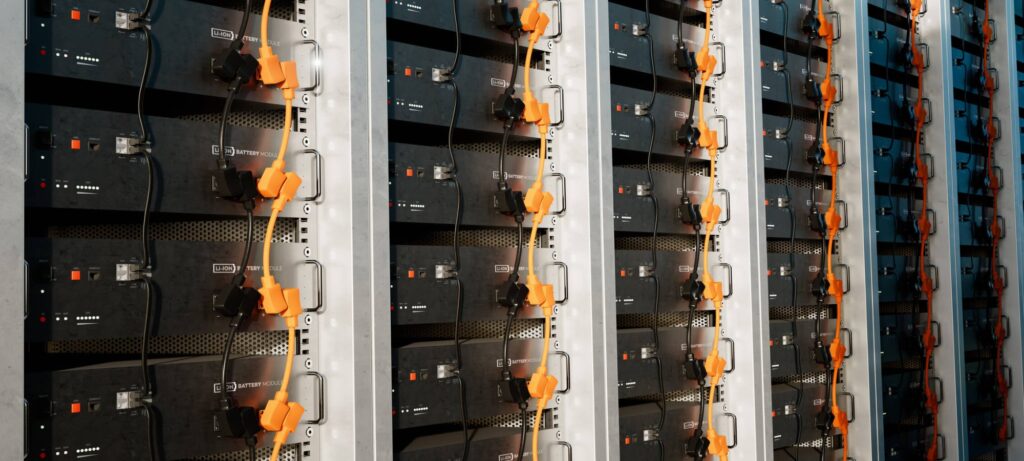
At its core, energy storage is the process of capturing electricity and holding it until it is needed. Instead of consuming power the moment it is generated or purchased from the grid, businesses can store that energy and use it later when demand is higher, or electricity prices increase.
A Simple Explanation of Energy Storage for Business Owners
Most small businesses draw electricity directly from the grid throughout the day. With energy storage systems, electricity is stored during off-peak periods or when on-site generation is high, then released during peak demand. This shift in timing is what creates value.
Energy storage technology does not reduce electricity consumption on its own. Instead, it changes when electricity is used, which can significantly affect costs and resilience.
Common Energy Storage Technologies Used by Small Businesses
Several energy storage technologies are suitable for commercial environments:
- Lithium-ion batteries: the most common energy storage technology due to high efficiency and fast response times
- Lead-acid batteries: lower upfront cost but shorter lifespan
- Thermal energy storage: stores heat or cooling energy rather than electricity
- Mechanical systems, such as flywheels, are used in niche applications
For most small businesses, battery-based energy storage systems offer the most practical balance between performance, space, and cost.
The Current State of Energy Storage in the UK
Energy storage in the UK has grown rapidly in recent years, driven by structural changes in the energy system.
Why Energy Storage Is Growing Across the UK
The UK energy market has become increasingly reliant on renewable generation. While renewable energy storage helps manage intermittent power sources like wind and solar, it also creates opportunities for businesses to benefit from flexible consumption.
Grid congestion, peak pricing, and demand-based charges mean that businesses using electricity at high-demand times often pay significantly more. Energy storage provides a way to reduce exposure to these costs.
How Small Businesses Are Adopting Energy Storage
UK energy storage adoption is no longer limited to large manufacturers. Retailers, offices, hospitality venues, and mixed-use premises are increasingly exploring commercial energy storage to support cost control and sustainability goals.
Adoption tends to be strongest among businesses with:
- Predictable operating hours
- High peak electricity demand
- On-site renewable generation
- Exposure to half-hourly settlement charges
The Key Benefits of Energy Storage for Small Businesses
The benefits of energy storage go beyond simple bill savings. When implemented correctly, energy storage can improve financial stability, operational resilience, and long-term planning.
Lower Electricity Costs and Peak Demand Reduction
One of the most significant benefits of energy storage is peak shaving. By drawing stored energy during high-demand periods, businesses can reduce peak usage charges and avoid expensive time-of-use rates.
Rather than relying entirely on the grid during peak hours, energy storage systems smooth demand, helping businesses manage electricity costs more predictably.
Greater Control and Energy Independence
Energy storage gives businesses greater control over their electricity usage. Instead of reacting to market price fluctuations, companies can plan consumption more strategically.
This increased independence reduces exposure to sudden price increases and supports more accurate budgeting, particularly for businesses operating on tight margins.
Improved Resilience and Business Continuity
Power outages and grid instability can be costly. Even short disruptions can lead to lost sales, damaged equipment, or safety risks. Energy storage systems can act as a backup power source, keeping essential operations running during interruptions.
For businesses that rely heavily on continuous power, this resilience can be as valuable as direct cost savings.
Renewable Energy Storage and Sustainability Benefits
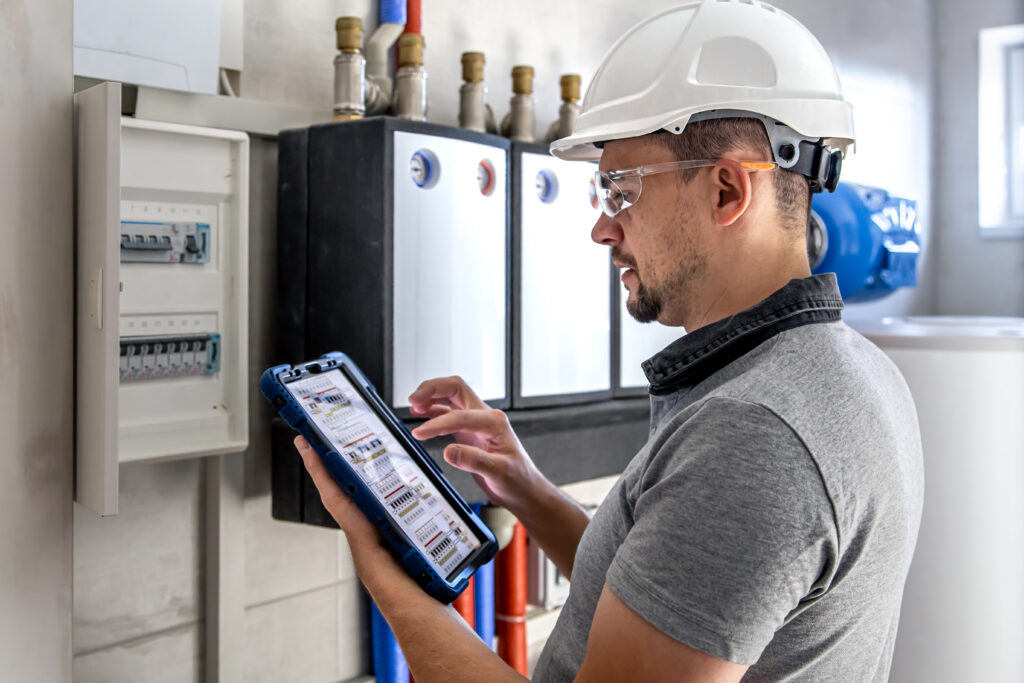
Renewable energy storage plays an important role in helping businesses maximize the value of on-site generation.
How Energy Storage Supports Renewable Power
Solar panels often generate more electricity than a business can use at certain times of day. Without renewable energy storage, that excess power is exported back to the grid, often at low rates.
Energy storage allows businesses to capture surplus generation and use it later, increasing self-consumption and improving the overall return on renewable investments.
Environmental Benefits for UK Businesses
By using stored renewable energy, businesses can reduce reliance on fossil-fuel-generated electricity. This supports sustainability targets, lowers carbon emissions, and strengthens environmental credentials—increasingly important for customers, partners, and regulators.
Commercial Energy Storage vs Residential Systems
Commercial energy storage differs significantly from domestic systems.
Business energy storage systems are designed for:
- Higher and more variable loads
- Three-phase electricity supplies
- Scalable capacity
- Integration with commercial tariffs
Choosing the right energy storage solution requires careful assessment of usage patterns and infrastructure.
Costs, ROI, and Financial Considerations
Energy storage systems involve upfront investment, and returns vary depending on how the system is used.
Key factors affecting return on investment include:
- Electricity tariff structure
- Peak demand levels
- Battery capacity and efficiency
- Integration with renewable energy
While some businesses achieve noticeable savings within a few years, energy storage should generally be viewed as a long-term strategy rather than a quick win.
Challenges and Limitations of Energy Storage
Despite the benefits, energy storage is not suitable for every business.
Common challenges include:
- Initial capital costs
- Space and installation requirements
- Battery degradation over time
- Regulatory and grid-connection constraints
Understanding these limitations is essential before committing to a system.
The Future of Energy Storage for UK Small Businesses
The future of energy storage for UK small businesses is closely tied to how the wider electricity system is changing. As the UK moves toward a more flexible, low-carbon energy network, energy storage is expected to shift from being a specialist solution to a core part of how many businesses manage power.
Below is a detailed, practical look at what small businesses can expect over the coming years.
Falling Costs and Improved Accessibility
One of the biggest barriers to energy storage adoption has been the upfront cost. However, energy storage technology continues to improve, and prices have steadily declined as manufacturing scales up and systems become more efficient.
For small businesses, this means:
- Lower entry costs for commercial energy storage systems
- More flexible system sizes, allowing phased or modular installation
- Better financing and leasing options are becoming available
As costs fall, energy storage is likely to become viable for a much wider range of UK SMEs, not just energy-intensive businesses.
Smarter Energy Storage Technology
Future energy storage systems will be significantly more intelligent than early models. Modern systems already use software to decide when to charge and discharge batteries, but this capability is expected to improve rapidly.
Advances will include:
- AI-driven optimisation based on usage patterns
- Automatic response to electricity price signals
- Better integration with smart meters and half-hourly data
- Predictive maintenance to extend battery lifespan
For small businesses, smarter energy storage reduces the need for hands-on management while improving savings and system reliability.
Greater Integration with Renewable Energy
Renewable energy storage will play a central role in the UK’s net-zero transition. As more small businesses install solar panels or purchase renewable electricity, energy storage will help manage the variability that comes with clean generation.
In the future, businesses will increasingly:
- Store surplus solar energy for evening and peak use
- Reduce export dependency and grid reliance
- Optimise renewable energy storage technologies for self-consumption
This shift allows small businesses to maximise the value of renewable investments while supporting a cleaner energy system overall.
Energy Storage as a Grid Support Tool
Energy storage systems are not just beneficial at an individual business level. Collectively, they help stabilise the National Grid by balancing supply and demand.
In the coming years, UK energy storage is expected to:
- Play a greater role in demand response programmes
- Support grid balancing during peak periods
- Enable businesses to participate in flexibility markets
For small businesses, this could create new opportunities to generate revenue or reduce costs by allowing stored energy to be used when the grid needs it most.
Increased Focus on Energy Resilience
Energy resilience is becoming a priority for UK businesses as power outages, extreme weather events, and grid congestion become more common.
Future energy storage solutions will increasingly be designed to:
- Provide seamless backup power
- Protect critical systems and data
- Reduce downtime and operational risk
For many small businesses, resilience alone may justify investment in energy storage, particularly where outages could have serious financial consequences.
More Tailored Energy Storage Solutions
As the market matures, energy storage solutions will become more customised. Rather than one-size-fits-all systems, providers will design storage around specific business needs.
This means:
- Systems tailored to operating hours and load profiles
- Industry-specific solutions for retail, hospitality, and offices
- Better alignment between energy storage systems and electricity contracts
Independent energy consultants, such as PriceBuddy, are increasingly involved in helping businesses assess how future-focused energy storage fits into a wider energy strategy, rather than treating it as a standalone purchase.
A Strategic Shift in How Businesses Use Electricity
Over time, energy storage will change how small businesses think about electricity altogether. Instead of being passive consumers, businesses will become active participants in the energy system.
This strategic shift includes:
- Using electricity when it is cheapest or cleanest
- Storing energy for operational flexibility
- Planning energy use as part of long-term financial strategy
For UK small businesses, energy storage is set to move from a technical upgrade to a strategic business decision.
FAQs
Is Energy Storage Worth It for Small Businesses in the UK?
Energy storage can be worthwhile for businesses with high peak demand, variable tariffs, or renewable generation. It is less effective for businesses with low or consistent energy usage.
Can Energy Storage Reduce Business Electricity Bills?
Yes, but savings depend on usage patterns and tariff structure. Energy storage works best when it reduces peak demand or maximizes renewable energy use.
Do I Need Solar Panels to Use Energy Storage?
No. Energy storage systems can be charged from the grid as well as from renewable sources.
How Do Businesses Assess Whether Energy Storage Is Suitable?
Suitability is typically assessed through detailed analysis of consumption data, tariff structures, and operational requirements. Many UK businesses work with independent energy consultants, such as PriceBuddy, to evaluate energy storage alongside procurement and efficiency strategies.
How Long Do Commercial Energy Storage Systems Last?
Most modern battery systems are designed to last between 10 and 15 years, depending on usage and maintenance.
Conclusion
Energy storage offers clear benefits for small businesses, including cost control, improved resilience, and better use of renewable energy. However, it is not a one-size-fits-all solution.
Successful implementation depends on understanding your business’s energy profile, costs, and long-term objectives. Many UK businesses choose to consult independent experts, such as PriceBuddy, to assess how energy storage fits into a broader energy strategy alongside tariffs, efficiency measures, and future planning.
Making informed, data-driven decisions is essential to ensuring that energy storage delivers genuine value rather than unnecessary complexity.