Skip to content
Understanding business electricity meter installation costs is crucial for any company planning a new energy connection, switching suppliers, or upgrading to more advanced technology. With rising energy prices and stricter reporting requirements, businesses must have accurate consumption data—making meter installations more critical than ever. This comprehensive 2025 guide breaks down every cost factor, smart ways to reduce expenses, and how to streamline the installation process to avoid delays and unnecessary fees.
What Influences Business Electricity Meter Installation Costs?
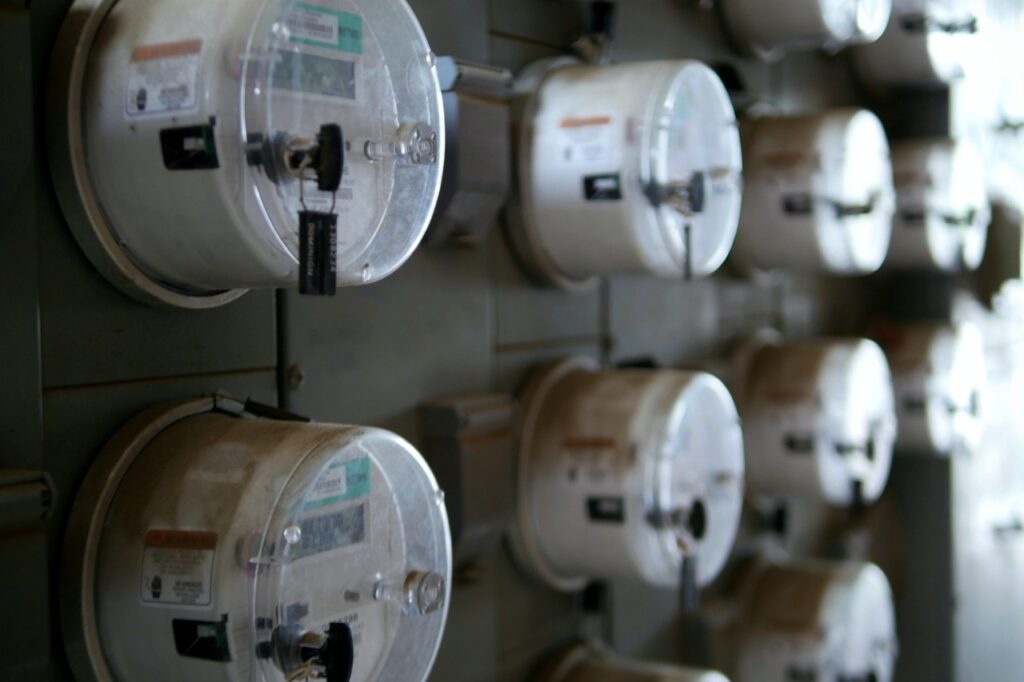
Business electricity meter installation costs vary widely depending on the equipment required, your building’s infrastructure, and the level of engineering involved. Most organizations underestimate the number of moving parts—from DNO fees to commissioning requirements. In 2025, a greater emphasis on smart metering technology has also introduced new data and communication charges. Understanding these cost drivers upfront helps create an accurate budget and avoid surprise charges during installation.
Commercial Electricity Meters & Their Impact on Pricing
Different commercial electricity meters come with different installation timelines, hardware requirements, and engineering demands. Basic AMR meters require minimal configuration, while half-hourly or advanced smart meters need specialist commissioning. Larger buildings or multi-unit sites may require multi-meter setups, further increasing labor hours. Choosing the right meter type ensures your business doesn’t pay more than necessary.
Quick breakdown of meter types:
- Standard single-phase meters: suitable for small shops & offices
- Smart meters (SMETS2): real-time usage, remote reads
- Three-phase meters: for high-load equipment
- Half-hourly meters: mandatory for large energy users
- Advanced commercial smart systems: complex sites & multisite businesses
Business Meter Installation Cost Breakdown
A typical business meter installation cost includes engineering time, materials, site preparation, and DNO charges. Costs vary significantly depending on whether new cabling, connection points, or switchgear upgrades are required. Suppliers may also charge for commissioning, data services, and administrative setup. Standard installations are generally cheaper, but complex commercial environments often require additional work.
Typical pricing ranges:
- Small to medium business meter installation: £150–£450
- Smart meter upgrade: £0–£200 (often subsidised)
- Half-hourly meter installation: £400–£1,200+
- Large commercial setups: £1,000–£3,500+
- Bespoke metering (industrial estates, warehouses): £2,000–£8,000
Commercial Meter Pricing & Contract Terms
Many suppliers use commercial meter pricing models that include installation costs, data charges, and contractual obligations. Some may offer free installation in exchange for long-term energy contracts, while others apply one-off fees upfront. Businesses with high electricity consumption often receive discounted or fully subsidized installations, as suppliers see long-term value in securing them as customers.
Influencing factors include:
- Contract length (longer terms = lower fees)
- Energy usage level (large users get better deals)
- Type of meter required
- Whether the site requires upgrades
- Supplier incentives & promotional offers
Smart Strategies to Reduce Business Electricity Meter Installation Costs

Reducing your business electricity meter installation costs is achievable with careful planning and supplier comparison. Many businesses overpay simply because they rush into installation without understanding the full process. By choosing the right meter type, requesting itemized quotes, and coordinating with the DNO early, you can significantly reduce installation delays and cost overruns. These strategic steps ensure your energy setup is both efficient and cost-effective.
Choose the Right Meter for Your Usage Level
Selecting the correct meter from the various types of business electricity meters is one of the easiest ways to avoid overspending. Overspecification—such as installing a half-hourly meter unnecessarily—leads to higher upfront and ongoing charges. Conversely, installing a meter that’s too basic may require costly upgrades later. A usage analysis ensures your business chooses the ideal meter from the start.
Considerations when choosing a meter:
- Current annual kWh usage
- Expected growth in demand
- Whether EV chargers or machinery will be added
- Requirements for real-time monitoring
- Compliance obligations such as mandatory half-hourly reporting
Compare Supplier Quotes Before Installing a Meter
Before committing to installation, request multiple quotes and compare the commercial meter setup steps between suppliers. Some suppliers include commissioning and testing in the base price, while others charge separately. A detailed, itemized breakdown highlights potential hidden fees. Understanding each supplier’s installation responsibilities helps avoid unnecessary charges and ensures a smoother experience.
Compare these elements between suppliers:
- Installation fee
- Meter hardware cost
- Commissioning cost
- DNO charges
- Ongoing data and rental fees
Coordinate with Your DNO for Faster Installation
One of the biggest causes of cost overruns is delayed coordination with the DNO. To ensure fast meter installation, businesses must verify capacity availability, MPAN allocation, and site readiness. Providing accurate site information early reduces engineering time and avoids costly revisits.
DNO coordination tips:
- Confirm your MPAN or request one early
- Provide load assessment and electrical diagrams
- Ensure clear site access on installation day
- Pre-approve any required fuse or cable upgrades
Additional Costs to Consider When Installing a Business Meter
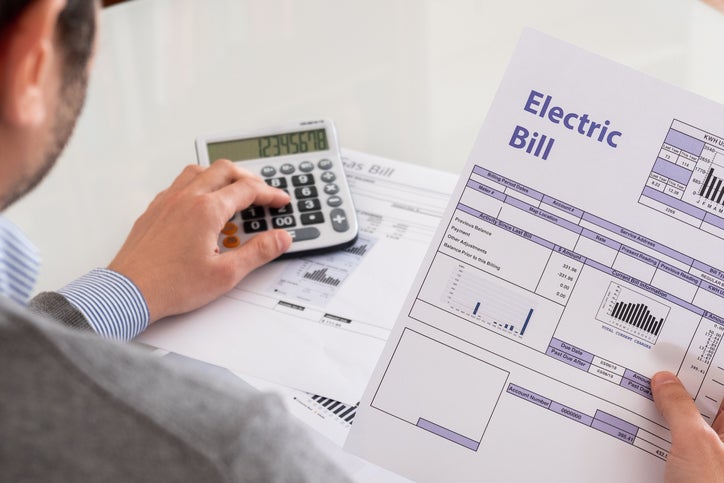
Beyond standard installation fees, businesses should budget for several additional cost factors. Older properties may require infrastructure upgrades to support new meter types. High-load sites could trigger capacity increases or additional distribution work. Businesses using half-hourly metering may incur monthly data charges, which add up over time. Preparing for these potential costs ensures accurate budgeting and reduces the likelihood of unexpected expenses.
Electrical Infrastructure Upgrades
Your existing electrical setup may need upgrades to support new metering equipment. This is common in older buildings, manufacturing units, and sites adding new heavy-load equipment. Costs vary depending on the upgrades needed, but they often include fuse changes, wiring adjustments, or distribution board improvements.
Common upgrade requirements:
- Fuse upgrades to meet modern safety standards
- Cable replacements for higher load capacity
- New distribution board installation
- Earthing and bonding work
- Additional isolators or switchgear
Ongoing Meter Maintenance and Data Charges
Certain meter types, especially half-hourly meters, come with ongoing monthly fees. These charges cover meter rental, data collection, remote monitoring, and communication services. While usually low, they should be included in your long-term budgeting to avoid financial surprises.
Potential monthly charges:
- Meter rental fees
- Data collection and handling charges
- Remote communication costs
- Half-hourly reporting fees
Is Business Electricity Meter Installation Free in 2025?
In 2025, some suppliers still offer free installation for standard smart electricity meters, particularly when a business signs a new energy contract. However, advanced commercial meters, three-phase units, and half-hourly meters usually involve additional engineering costs. Free installation offers often apply only to specific meter types, and businesses should always verify whether commissioning, testing, or data fees are included. Consulting a specialist like PriceBuddy can help businesses understand which installation options may be free or subsidized based on their consumption and contract.
FAQ
How much does a business electricity meter installation cost?
Most installations range from £150–£450 for smaller businesses and £400–£1,200+ for advanced, three-phase, or half-hourly meters.
Can a business get a free electricity meter installation?
Yes, some suppliers offer free smart meter installation when signing a new contract. Specialists like PriceBuddy can help identify which options may be free or subsidized for your business.
How long does meter installation take?
Standard meters take around 1–2 hours, while complex commercial installations may take half a day or more.
Are there ongoing charges for commercial meters?
Certain meters include monthly data collection, communication, or rental charges depending on the supplier.
What meter type is best for my business?
It depends on usage: small businesses may use standard or smart meters, while high-load sites often need three-phase or half-hourly meters. A consultant like PriceBuddy can advise on the most cost-effective and suitable option for your site.
Final Thoughts
The cost of installing a business electricity meter varies significantly based on meter type, infrastructure, supplier terms, and required engineering. By planning strategically, comparing quotes, and choosing the correct meter for your energy profile, businesses can reduce both upfront and long-term expenses.
Specialist consultancies, such as PriceBuddy, can guide accurate cost estimates, recommend suitable meters, and ensure that businesses are not paying more than necessary. With careful planning, a new business electricity meter installation becomes a cost-effective investment, enhancing energy monitoring, compliance, and cost control.