Skip to content
A commercial electricity connection is one of the first and most important steps for any UK business premises. Whether you are opening a new site, upgrading power capacity, or relocating operations, the right electricity connection directly impacts productivity, compliance, and operating costs.
In 2026, with rising energy demand from electric vehicles, smart equipment, and sustainability targets, understanding how commercial electricity connections work has become essential for UK businesses of all sizes. This guide explains everything you need to know—from costs and timelines to choosing a reliable electricity connection that suits your business needs.
What is a Commercial Electricity Connection?
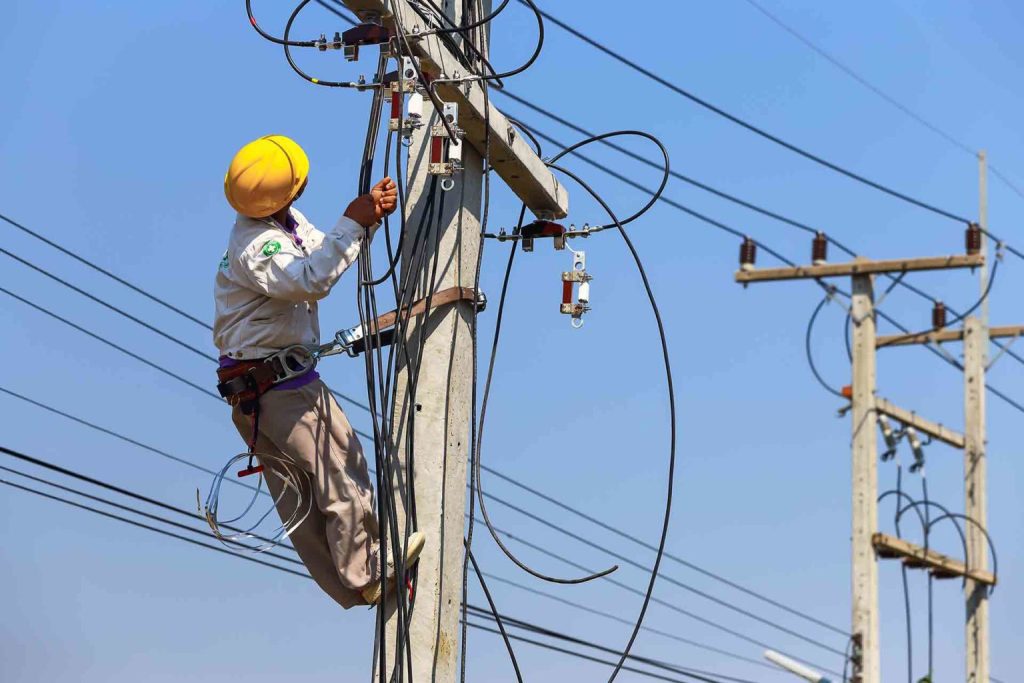
A commercial electricity connection is the infrastructure that links a non-domestic property to the UK electricity distribution network. It allows electricity to flow safely from the grid to commercial premises and is designed to handle higher and more variable demand than domestic connections.
Unlike residential supplies, commercial electricity connections must accommodate business operating hours, specialist equipment, and higher load requirements. They often include three-phase power, enhanced cabling, and commercial-grade metering systems.
A properly designed business electricity connection ensures operational continuity, supports future growth, and complies with UK electrical standards. Businesses that misunderstand this stage often face power constraints or costly modifications later.
Key characteristics of a commercial electricity connection:
- Designed for higher electricity demand
- Installed and managed by the local DNO
- Customised to business usage patterns
Types of Commercial Electricity Connections in the UK
There is no single solution when it comes to commercial electricity connections. The type of connection required depends on the property, business activity, and future electricity demand. Understanding the available options helps businesses avoid unnecessary delays and costs.
Choosing the wrong connection type can lead to capacity shortfalls or expensive upgrades. Early planning allows businesses to select the most appropriate electricity connection for both current and future needs.
New Commercial Electricity Connection
A new commercial electricity connection in UK is required when a property has never been connected to the electricity network before. This is common for new-build commercial developments or undeveloped land being converted for business use.
New connections often involve extending existing network infrastructure, which increases both cost and timescales. These projects require careful coordination with the local DNO.
Important considerations for new connections:
- Distance from the existing electricity network
- Requirement for new substations or cabling
- Longer approval and construction timelines
Upgrading an Existing Electricity Connection
An upgrade is needed when a business outgrows its current electricity capacity. This is common when adding new machinery, refrigeration units, EV chargers, or extending operating hours.
Upgrading an existing electricity connection is usually faster than installing a new one, but it still requires technical assessment by the DNO to ensure the local network can support the increased load.
Common reasons for upgrades:
- Business expansion
- Increased energy-intensive equipment
- Compliance with modern efficiency standards
Temporary Commercial Electricity Connection
Temporary commercial electricity connections provide short-term power for projects that do not require a permanent supply. These are widely used in construction, events, and seasonal operations.
Although temporary, these connections must still meet UK safety and regulatory standards and are subject to defined usage periods.
Typical uses include:
- Construction sites
- Exhibitions and events
- Pop-up retail or hospitality
How a Business Electricity Connection Works

The process behind a business electricity connection is often misunderstood. Electricity suppliers do not install connections; instead, this responsibility lies with the local Distribution Network Operator (DNO).
Each DNO manages a specific geographic area in the UK and controls access to the electricity network. Understanding this distinction helps businesses avoid confusion and delays during the application process.
A well-managed commercial electricity connection project involves technical assessment, formal approvals, and physical installation work.
How the process works:
- Demand assessment and application
- DNO technical review
- Connection offer and acceptance
- Infrastructure installation
Commercial Electricity Connection Costs in 2026
The cost of a commercial electricity connection varies widely and depends on site-specific factors rather than fixed pricing. This unpredictability is one of the biggest challenges for UK businesses planning new premises.
Costs are influenced by how much work the DNO must carry out to connect the property safely to the network. Businesses that plan early are better able to control budgets and avoid last-minute surprises.
Even small changes in required capacity can significantly affect the overall electricity connection cost.
Main cost factors include:
- Required capacity (kVA)
- Distance to network infrastructure
- Groundworks and access issues
- Regional network availability
How Long Does a Commercial Electricity Connection Take?
Timeframes for commercial electricity connections depend on the complexity of the project and local network capacity. Some businesses underestimate how long the process takes, which can delay openings or expansions.
While small upgrades may be completed relatively quickly, new connections often require months of planning and construction. Delays are more likely where permissions or land access agreements are required.
Understanding realistic timelines helps businesses align their project schedules effectively.
Typical timelines:
- Minor upgrades: 6–12 weeks
- New connections: 3–6 months
- Complex sites: 6 months or more
Choosing the Best Commercial Electricity Connection
The Best commercial electricity connection is one that supports both current operations and future growth. Choosing based solely on upfront cost often leads to problems later.
Businesses should consider long-term electricity demand, reliability requirements, and regulatory compliance when planning their connection. Future-proofing reduces the need for disruptive upgrades.
Careful planning ensures the electricity connection remains fit for purpose as business needs evolve.
Key selection criteria:
- Current and projected electricity demand
- Type of business activity
- Expansion and sustainability plans
What Makes a Reliable Commercial Electricity Connection?
A Reliable commercial electricity connection provides consistent power with minimal risk of outages or capacity issues. Reliability is essential for businesses where downtime leads to financial loss or safety risks.
Reliability depends on proper capacity planning, quality infrastructure, and compliance with installation standards. Cutting corners at the connection stage often results in long-term operational problems.
Businesses should prioritise reliability over short-term savings.
Reliability indicators:
- Adequate load capacity
- Stable network access
- Quality metering and monitoring
Regulations and Compliance for Commercial Electricity Connection in UK

All commercial electricity connections in UK must meet strict regulatory and safety requirements. These regulations exist to protect businesses, employees, and the wider electricity network.
Non-compliance can result in delayed connections, rejected applications, or expensive remedial work. Understanding regulatory responsibilities helps businesses avoid unnecessary setbacks.
Compliance is particularly important for high-capacity or industrial electricity connections.
Key compliance areas:
- DNO technical standards
- Health and safety regulations
- Building and planning requirements
Common Mistakes Businesses Make When Arranging Electricity Connections
Mistakes during the planning stage of a commercial electricity connection often lead to delays and increased costs. Many of these issues are avoidable with early assessment and a clear understanding of the process.
Businesses frequently underestimate demand or confuse suppliers with network operators. These misunderstandings slow down projects and create unnecessary frustration.
Learning from common mistakes helps ensure a smoother connection process.
Common errors include:
- Underestimating electricity demand
- Applying too late
- Ignoring future expansion
- Misunderstanding responsibilities
Role of Electricity Consultants in Commercial Connections
Electricity consultants help businesses navigate the technical and commercial complexities of commercial electricity connections. Their role is often advisory rather than operational.
Consultants may assist with capacity planning, interpreting DNO offers, and understanding timelines. They also help businesses align electricity connections with broader energy strategies.
Some UK businesses refer to independent electricity consultants, such as PriceBuddy, to better understand connection options and market conditions without directly managing the installation process.
Consultant support may include:
- Demand assessments
- Technical clarification
- Market insight and guidance
Future Trends in Commercial Electricity Connections (2026 and Beyond)
Electricity demand from UK businesses is expected to continue rising beyond 2026. Commercial electricity connections must support new technologies and sustainability goals.
Electrification of transport and heating will place additional pressure on network capacity. Businesses that plan are better positioned to adapt to these changes.
Future-focused electricity connections reduce long-term costs and disruption.
Emerging trends:
- EV charging infrastructure
- Smart grid integration
- Net-zero compliance requirements
FAQs
1. How much capacity does a commercial electricity connection need?
Capacity requirements depend on equipment, operating hours, and future expansion plans. Many businesses miscalculate their needs, leading to underpowered or oversized connections.
2. How long does a commercial electricity connection in UK usually take?
Most commercial electricity connections in UK take between 6 weeks and 6 months. Timelines depend on network availability, permissions, and infrastructure work.
Market insights reviewed by electricity consultants such as PriceBuddy often show delays linked to planning approvals rather than technical installation.
3. Can I change my electricity supplier after the connection is installed?
Yes. Once the electricity connection is live, businesses are free to choose or change electricity suppliers at any time.
The physical connection remains managed by the DNO, regardless of which supplier provides electricity.
4. What is the difference between an electricity supplier and a connection provider?
The DNO installs and maintains the electricity connection, while suppliers sell electricity and manage contracts.
Some businesses consult services like PriceBuddy to better understand this separation before entering supplier agreements.
5. Is professional advice necessary for commercial electricity connections?
Professional advice is not mandatory, but it can reduce risk and uncertainty. Larger or more complex projects benefit most from expert input.
Independent consultants, such as PriceBuddy, often support businesses by explaining processes, timelines, and technical considerations without influencing supplier choice.
Conclusion
A well-planned commercial electricity connection is essential for UK businesses in 2026. From understanding costs and timelines to ensuring reliability and compliance, every stage of the process affects long-term success.
As electricity demand increases and infrastructure becomes more complex, businesses benefit from clear information and informed planning. Independent guidance and market insight—such as that provided by electricity consultants, including Price Buddy—can help businesses better understand their options without unnecessary risk.
By investing time in planning the right commercial electricity connection, UK businesses can secure reliable power, control costs, and support sustainable growth for years to come.