Skip to content
Understanding commercial energy comparison is one of the fastest ways for UK businesses to control rising operational costs. With energy markets becoming increasingly volatile, companies can no longer renew contracts blindly or rely on outdated supplier quotes. This guide breaks down how commercial energy pricing works, why businesses often overpay, and how to use comparison tools effectively to secure fair, transparent, and stable commercial energy rates. Whether you’re a small retailer or a multi-site organization, knowing how to evaluate suppliers properly can help avoid hidden fees and unnecessary long-term commitments.
Why Commercial Energy Comparison Matters More Than Ever in 2025
The UK energy landscape has changed dramatically, and commercial energy comparison is now a business survival tactic rather than a simple cost-saving method. Prices shift due to wholesale market fluctuations, supply chain pressures, and global energy demand, leaving many businesses vulnerable to sudden cost increases. Comparing commercial energy prices regularly ensures your organization remains competitive and financially resilient. It also helps you pinpoint transparent suppliers and avoid getting stuck with out-of-contract rates, which are often the highest tariffs in the market.
Identifying the Real Problem: Unpredictable Commercial Energy Prices
Fluctuating commercial energy prices have become one of the biggest challenges for UK businesses. Many companies unknowingly remain on outdated or inflated contracts, paying more simply because they don’t review their rates annually. The lack of transparency among suppliers also makes it difficult to know whether you’re getting a fair deal.
How this impacts businesses:
- Loss of predictable budgeting
- Higher monthly bills due to volatile wholesale markets
- Difficulty comparing suppliers fairly
- Risk of long-term overpayment
Why Many Businesses Overpay for Energy
A major reason businesses overspend is relying solely on renewal quotes from their existing supplier. Renewal letters often include inflated rates. Without conducting a commercial energy price comparison, businesses miss opportunities for better deals. Additionally, confusing contract structures make it hard to understand charges like standing fees and capacity costs.
Common cost traps:
- Automatic contract rollovers
- Uncompetitive fixed-term deals
- Out-of-contract penalty rates
- Hidden data and meter charges
How Commercial Energy Comparison Works: Step-by-Step for UK Businesses
Understanding how commercial energy comparison in the UK works helps your business accurately identify the best deal. The process starts with reviewing your current contract and energy consumption. Once you know your kWh usage and tariff structure, you can compare quotes across suppliers. Modern comparison tools provide data-driven insights, displaying unit rates, standing charges, contract lengths, and renewal deadlines.
Gather the Right Information Before Comparing
Before using any comparison site, you’ll need accurate information about your current usage. This helps generate relevant and realistic quotes through commercial energy comparison sites. Your annual consumption, contract end date, and meter details determine what prices suppliers can offer.
Key data you need:
- Annual electricity or gas consumption (kWh)
- Latest business energy bill
- MPAN or MPRN number
- Current contract end date
- Meter type (smart, AMR, half-hourly)
Compare Commercial Electricity vs Gas Contracts
When using a commercial energy price comparison platform, always compare electricity and gas separately. Each market behaves differently due to supply chain variations, wholesale costs, and seasonal demand. Electricity contracts often fluctuate more due to renewable energy integration, whereas gas tends to be more seasonal.
What to consider:
- Different unit rates and standing charges
- Contract length impact
- Winter gas surcharges
- Peak-hour electricity demand costs
H3: Fixed vs Variable Business Energy Contracts
Fixed contracts are predictable and easier for budgeting, while variable contracts change with market prices. During periods of volatility, fixed contracts are typically safer. Many commercial energy comparison tools will show both options to help you make informed decisions.
When fixed works best:
- When wholesale prices are rising
- For long-term budgeting stability
- For high-usage businesses
Factors that Influence Commercial Energy Prices in the UK
Several elements drive fluctuations in commercial energy pricing. Understanding these influences helps your organization choose contracts intelligently. From wholesale market changes to meter type and business size, each factor contributes to your final tariff. By reviewing these variables in detail, businesses can better predict when to lock into contracts and when to compare rates more aggressively.
Wholesale Market Changes and Global Events
Energy prices rise or fall depending on global supply, geopolitical events, and weather conditions. These fluctuations directly influence commercial energy prices, creating unpredictable cost spikes. Businesses that compare rates regularly stay ahead of market changes.
Examples of influencing factors:
- International energy supply shortages
- Geopolitical tensions
- Renewable energy availability
- Global gas pricing
Business Type, Size, and Location
Different sectors consume energy differently. A retail shop and a manufacturing plant have completely different usage patterns. Your postcode also affects which suppliers can provide the most competitive rates. This is why commercial energy comparison sites request your business location during the quoting process.
Variables that affect pricing:
- Industrial vs retail usage
- Site size and building insulation
- Multi-site vs single-site operations
- Local network distribution costs
Meter Type and Infrastructure Requirements
Older meters often require upgrades, which can increase your overall contract cost. Businesses with smart or half-hourly meters benefit from more accurate billing. Many reliable comparison platforms allow you to filter results based on your meter type for accurate pricing.
Meter types include:
- Smart meters (SMETS2)
- Half-hourly meters
- AMR meters
- Three-phase industrial meters
Smart Strategies to Secure the Cheapest Commercial Energy Rates

Finding the cheapest commercial energy rates requires more than simply checking one supplier’s quote. Smart businesses review multiple suppliers, compare contract terms, and evaluate long-term cost implications. By understanding pricing structures, seasonal variations, and supplier incentives, you can negotiate better deals and avoid hidden charges.
Use a Reliable Comparison Platform
Using a reliable comparison platform helps eliminate guesswork and gives you access to unbiased supplier information. These platforms filter pricing data, contract terms, and standing charges, ensuring your business makes informed decisions. A trusted comparison source can drastically reduce the risk of overpaying.
Key platform features to look for:
- Transparent pricing
- Multiple supplier quotes
- Independent data
- Real-time tariff availability
Compare Prices During Renewal Windows
Most businesses get the best deals during their renewal window, typically 6–12 months before the contract ends. This is when energy suppliers are most flexible. Using commercial energy comparison tools early helps you avoid out-of-contract rates.
Benefits of early comparison:
- Lower stress during renewal
- More competitive deals
- Reduced risk of auto-renewal fees
Negotiate Using Market Data
Businesses often underestimate the power of negotiation. When you understand market trends and wholesale prices, you negotiate confidently. Many companies secure better rates simply by asking for revised quotes backed by strong data from commercial energy comparison sites.
Effective negotiation tips:
- Know your annual usage
- Compare at least 5 suppliers..
- Ask for revised quotes.
- Review hidden fees carefully.
Common Mistakes Businesses Make When Comparing Energy Prices
Many companies approach comparison incorrectly, leading to higher bills and unfavorable terms. Avoiding these mistakes is essential for securing fair, long-lasting energy contracts. By understanding how comparison works, your organization can make decisions confidently and avoid contracts that trap you with inflated charges.
Only Checking a Single Supplier
Relying on one supplier limits your options and typically results in higher rates. This prevents your business from seeing broader market opportunities. Use multiple commercial energy comparison sites for a full-market view.
Ignoring Standing Charges
Some businesses focus solely on unit rates. However, standing charges can drastically increase annual costs, especially for lower-usage organizations.
Not Reviewing Contract Length
Long-term contracts may seem cheaper upfront, but can cost more if market prices drop. Always compare 1-year, 2-year, and 3-year deals before committing.
How Smart Meters Support Better Commercial Energy Comparison
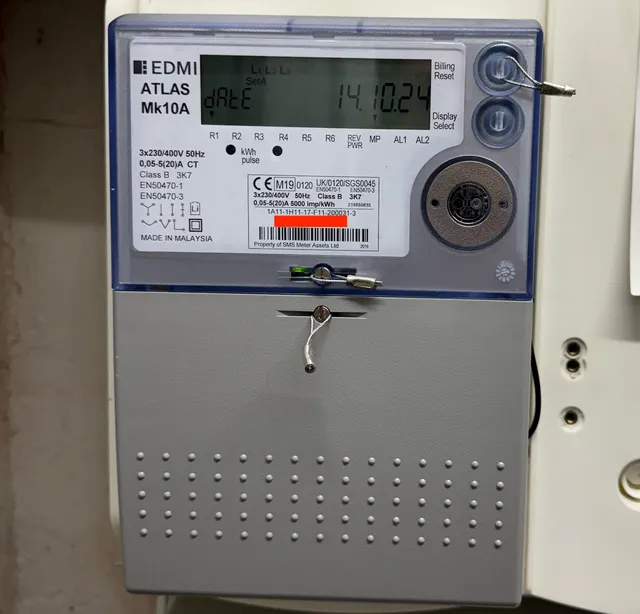
Smart meters provide accurate, real-time usage data, enabling businesses to compare deals more precisely. When your consumption is tracked correctly, suppliers can offer more accurate quotes. This reduces estimation errors and ensures your commercial energy comparison process is more precise.
Accurate Billing and Usage Insights
Smart meters eliminate estimated billing, helping businesses see true energy usage. This leads to more precise comparisons and prevents overspending.
Better Forecasting for High-Usage Businesses
Large consumption businesses benefit from clearer usage patterns. Smart meter data helps businesses choose tariffs that fit their peak-hour usage.
Helps Identify Energy Waste
Smart meters highlight unusual consumption spikes, helping businesses reduce energy waste before renewing contracts.
Should You Use a Consultant for Commercial Energy Comparison?
Some businesses prefer working with a consultant when comparing commercial energy deals. A consultant can simplify the process, provide unbiased advice, and help you understand contract terms. For businesses with high or complex usage, consultants can be particularly valuable.
FAQs
1. How often should a business compare commercial energy prices?
At least once a year, or during your contract’s renewal window. Consultants such as PriceBuddy can help businesses review options more frequently.
2. Do commercial energy comparison sites show all suppliers?
Most show a large portion of the market, but availability depends on region and meter type.
3. Are commercial energy prices different for SMEs and large businesses?
Yes. Large users often receive better rates due to higher annual consumption.
4. Can a consultant help me compare business energy rates?
Yes. Many businesses use services like Price Buddy when they need guidance, especially for multi-site or high-usage operations.
5. Is switching business energy suppliers risky?
No. Switching does not interrupt your supply because energy flows through the same grid.
Final Thoughts
Commercial energy comparison is not a one-time task—it is an ongoing strategy that helps businesses build financial stability and avoid excessive energy costs. By using trustworthy energy comparison tools, reviewing your usage data, and negotiating smarter, you position your organization for long-term savings. Consultants like Price Buddy can play a helpful role when you need support in understanding tariffs or identifying competitive suppliers, especially for more complex business setups.