Skip to content
Securing a commercial gas connection is a crucial step for any business that depends on gas for heating, cooking, manufacturing, or production processes. As companies continue expanding in 2025, the demand for fast and reliable commercial gas supply has increased across the UK. Understanding each stage of the connection process—from pricing to installation requirements—helps businesses avoid delays and unnecessary costs. This guide explains everything UK businesses need to know before applying for a new gas connection and comparing installation options.
What Is a Commercial Gas Connection, and How Does It Work?
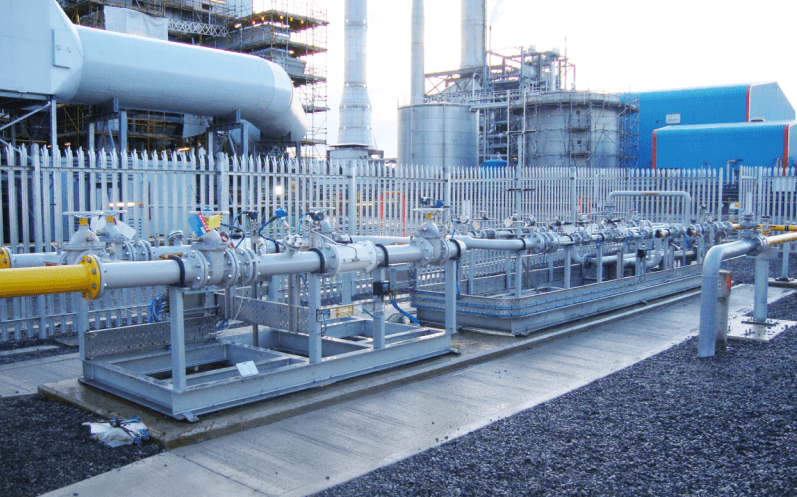
A commercial gas connection links a business property to the national gas network so it can receive an active and safe supply of gas. Unlike residential connections, commercial systems are built to handle higher capacities, stronger pressure levels, and more intensive usage. The process involves applying for a connection, getting a load assessment, confirming capacity with the network, and installing the required infrastructure. Understanding how this flow works helps UK businesses plan more efficiently and avoid common pitfalls during installation.
Who Needs a Commercial Gas Connection in the UK?
Many organizations require a commercial gas connection in the UK due to heavy heating or process-based energy needs. New-build commercial sites typically need a fresh connection, while expanding businesses may require upgrades or additional metering capacity. Industrial companies with large boilers, kitchens, or gas-fueled machinery depend on commercial-level supply. Even smaller businesses like restaurants or care homes may need a new gas connection when moving into a property that previously had limited or no access.
New-Build Business Premises
New commercial buildings must apply for a new commercial gas connection because gas infrastructure is not automatically included. This involves installing pipework, meters, and pressure-safe components.
Expanding or Relocating Companies
Businesses moving to larger facilities often require upgraded meters or additional capacity to support growing gas demand.
Industrial or High-Demand Sites
Factories, processing units, laundries, and logistics facilities frequently need stronger gas systems that require larger-capacity meters and reinforced pipelines.
Businesses Converting to Gas Heating
Some companies shift from electric systems to gas to lower running costs, reduce strain on electrical infrastructure, and access more efficient heating.
Commercial Gas New Connection Requirements
Applying for a new commercial gas connection requires meeting several technical and regulatory steps. These steps ensure the installation is safe, compliant, and capable of supplying the expected load. A load assessment is carried out to define the correct meter size and pressure level. Network engineers then confirm mains capacity before designing the connection plan. Once approved, excavation and pipe installation take place, followed by meter setup and safety testing.
Site Survey & Load Assessment
A gas engineer evaluates the property and calculates the maximum usage, ensuring the system is safe and adequate for future demand.
Network Capacity Check
Your local gas transporter checks whether the existing network can supply your projected usage. If reinforcement is required, additional costs may apply.
Meter Type Selection (U16, U25, U40, Smart Gas Meters)
Your meter type is chosen based on expected consumption. Larger sites require higher-capacity meters for safe operation.
Safety & Pressure Compliance
All commercial installations must follow Gas Safe rules. Pressure tests, ventilation requirements, and safety mechanisms must be approved before connection.
How Much Does a Commercial Gas Connection Cost in the UK
Understanding the cost of a commercial gas connection is essential for accurate budgeting. Costs vary depending on distance to the mains, excavation complexity, meter size, and engineering time. In the UK, businesses can expect to pay anywhere from £900 for simple connections to £20,000+ for large industrial installations. The more complex your site layout and capacity requirements are, the higher your total commercial gas connection price will be.
Cost Factors That Influence Pricing
Several variables determine the cost of a new commercial gas connection, including labor, excavation, mains distance, meter capacity, and permitting fees. Network reinforcement or traffic management can also increase overall cost.
Commercial Gas Connection UK Price Ranges
- Small businesses (U6–U16 meter): £900–£2,500
- Medium commercial sites: £2,500–£6,000
- Large industrial premises: £6,000–£20,000+
Hidden Costs Businesses Overlook
Some fees—such as highway permits, pipe rerouting, or internal pipe installation—often surprise business owners. Planning helps avoid unexpected expenses.
How Long a Commercial Gas Connection Take in the UK

The timeline for a commercial gas connection UK usually ranges from 4 to 24 weeks, depending on project complexity. Simpler installations can be completed quickly, while industrial sites may require extensive engineering work and approvals. Most delays are caused by permits, network capacity checks, or incorrect site information. Preparing documents early helps streamline the process and reduces the risk of unnecessary setbacks.
Standard Timescales
- Small commercial sites: 4–8 weeks
- Medium sites: 8–12 weeks
- Industrial sites: 12–24 weeks
Fast-Track Options
Some providers offer express installation, though this may increase project cost.
Avoiding Delays
Ensuring correct drawings, site access, and load data dramatically speeds up the process.
Types of Commercial Gas Meters and When You Need Them
Commercial properties require different meter types based on their gas usage levels. The correct meter prevents pressure drops, inaccurate billing, and safety risks. Understanding the right meter type is essential when requesting a gas connection for commercial use.
U6 – For Small Businesses
Ideal for small retail units or cafés needing low gas usage.
U16 – For Medium Consumption
Common for mid-sized offices, restaurants, or units with moderate heating demand.
U25 / U40 – For Larger Premises
Often required by hotels, manufacturing facilities, and large commercial kitchens.
Smart Gas Meters
These meters offer real-time readings and more accurate consumption insights for effective energy control.
How to Compare Commercial Gas Connection Providers in the UK
Choosing a provider for your commercial gas connection in UK markets can influence cost, project speed, and installation quality. Different providers offer varying levels of support, timelines, and pricing structures. Businesses should always compare experience, transparency, and compliance credentials before committing.
Check Licensing & Gas Safe Accreditation
Providers must follow strict industry standards.
Compare Lead Times
Some companies work faster depending on the engineer’s availability and demand.
Understand Cost Structures
Always request detailed quotes covering excavation, materials, labor, and metering fees.
Common Mistakes
Businesses often overpay by skipping comparisons or choosing unsuitable meter sizes.
Platforms like PriceBuddy can help businesses evaluate typical installation costs and make informed decisions without influencing provider choice.
Gas Connection vs Gas Meter Installation: Key Differences

A new commercial gas connection should not be confused with meter installation. Although they are related, they involve different steps and costs. A gas connection refers to linking your building to the mains, while meter installation involves setting up the measurement system that tracks consumption.
New Gas Connection
Required for new builds or buildings with no previous gas infrastructure.
Meter Upgrade
Needed when increasing usage or improving accuracy.
Combined Installation
Used when new builds require both pipeline and metering systems.
Understanding the distinction helps businesses request the correct service.
Safety Rules & Regulations for Commercial Gas Connections
Every commercial installation must comply with UK safety laws. Regulations ensure safe operation, proper pressure levels, and leak prevention. Businesses must use Gas Safe engineers and maintain detailed compliance records for future audits or insurance requests.
Gas Safe Compliance
Only registered engineers can legally work on commercial systems.
Pressure Testing
All systems must pass high-pressure safety tests before activation.
Documentation
Businesses must keep load assessments, safety certificates, and installation logs.
How to Reduce Your Commercial Gas Connection Price
Securing an affordable commercial gas connection in the UK is possible with strategic planning and the right approach. Avoiding overspecification, choosing the correct meter, and comparing quotes can significantly lower your final cost.
Choose the Correct Meter Size
Oversizing leads to unnecessary spending, while undersizing risks performance issues.
Avoid Overestimating Load
Accurate assessments prevent costly reinforcement fees.
Plan Early
Booking ahead avoids seasonal peaks and engineering delays.
Consulting for Cost Comparison
Many businesses use independent advisers like PriceBuddy to understand typical pricing, compare estimates, and make well-informed decisions.
FAQs
1. How much does a commercial gas connection cost?
Typical commercial gas connection cost ranges from £900 to £20,000, depending on distance to mains, excavation needs, and meter type.
2. What documents do I need for a new commercial gas connection?
You’ll need site plans, load calculations, technical drawings, and Gas Safe compliance documents.
3. Can I get an affordable commercial gas connection?
Yes. By comparing quotes, choosing the correct meter, and planning early, businesses can secure an affordable commercial gas connection.
4. How long does the process take?
Most commercial gas connections in the UK take 4–12 weeks for standard installations and longer for complex industrial projects.
5. Who can help businesses understand connection pricing?
Many companies use independent energy comparison platforms like PriceBuddy to understand typical industry pricing and avoid overspending.
Final Thoughts
A commercial gas connection in UK markets is essential for businesses that rely on efficient heating or gas-powered operations. Understanding costs, requirements, and timelines helps businesses prepare effectively and avoid expensive surprises. Whether you’re setting up a new site or upgrading an existing property, planning early and choosing the right meter type makes the process far smoother. Many organizations also rely on neutral advisers like PriceBuddy to understand market-standard pricing and navigate complex installation requirements. With the right guidance, your business can secure a reliable commercial gas connection at a fair and transparent cost.