Skip to content
In the current UK energy climate, many small and medium-sized enterprises (SMEs) are struggling to manage their business energy costs as wholesale prices fluctuate and operating margins tighten. With energy prices historically volatile due to geopolitical tensions, regulatory changes, and supply issues, understanding fixed energy deals is vital for any business wanting stability and predictability in their energy outgoings. This blog demystifies these deals with deep market analysis and practical insight every UK business owner needs.
Understanding Fixed Energy Deals in Today’s Market
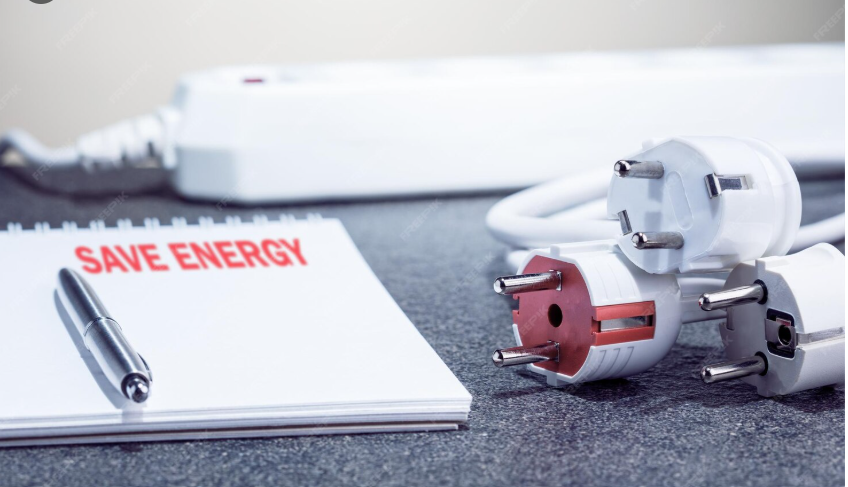
Fixed Energy Deals are an increasingly common choice for businesses in the UK that want predictable energy costs. By locking in an energy price for a defined term — usually 12 to 36 months — companies can protect themselves from sudden market swings that impact energy bills. In the UK market, where energy prices have experienced periods of rapid rises and contractions, a fixed tariff can bring budgeting certainty and reduced risk. Expert insights, such as those from consultancies like PriceBuddy, can help businesses navigate this complex landscape by comparing options and timing renewals for better outcomes.
What is a Fixed Energy Deal? A Simple Breakdown
A fixed energy deal is a type of energy contract where a business freezes its unit rate and standing charges for electricity and/or gas for an agreed period. Unlike variable contracts, which can change based on wholesale market conditions, fixed deals offer consistency. For many UK businesses, especially those with tight margins, this means predictable monthly costs that support better financial planning. Fixed deals also reduce exposure to market volatility — a compelling feature given the unpredictable nature of global energy markets and regulatory shifts in the UK.
How Fixed Energy Deals Work in the UK Business Energy Sector
In the UK, business energy fixed contracts are negotiated between the customer and a supplier, setting unit prices that don’t change over the life of the deal. These are often 1-, 2-, or 3-year terms, though longer agreements exist. The business then pays the agreed rates based on actual energy usage, which still varies with operational demand. Fixed contracts are particularly relevant in a market where wholesale costs can shift due to geopolitical events or supply constraints — locking in costs ahead of market spikes can offer peace of mind and better budgeting.
Key Benefits of Fixed Business Energy Deals
1. Budget Certainty and Predictability
Fixed energy prices mean you know your unit rates, allowing for accurate budgeting and forecasting. For SMEs that need to control cash flow and manage costs tightly, this financial certainty is invaluable — there are no surprise hikes mid-term due to market volatility.
2. Protection Against Market Volatility
The UK energy market can swing significantly, influenced by global politics or supply disruptions. A fixed deal shields businesses from sudden cost increases, a safety net that can be crucial when operating margins are thin, and planning is critical.
3. Simpler Financial Management
With rates locked in, businesses can avoid the administrative burden of constantly tracking market movements and renegotiating contracts. Simplified billing helps finance teams concentrate on core business priorities.
4. Potential Long-Term Savings
If energy prices rise after you fix, your locked-in rate could be lower than the prevailing market price — helping you save on energy costs compared to those on variable tariffs. This benefit is most pronounced when the fix is timed well relative to market cycles.
5. Appropriate for Stable or High Use Businesses
Businesses with consistent energy consumption patterns — such as manufacturing, retail, or hospitality — often benefit most from fixed deals because they can forecast usage and costs further ahead.
6. Helps Avoid Expensive Out-of-Contract Rates
Failing to secure a contract before the current term expires can lead to pricey default rates. Fixed deals help avoid this risk by ensuring continuous coverage and known pricing.
Potential Drawbacks of Fixed Energy Deals
While fixed energy deals in UK markets present many advantages, they are not without risks:
- Limited Flexibility: Once you fix, you generally can’t exit without penalties if prices fall.
- Exit Fees: Leaving a fixed contract early can involve significant charges.
- Opportunity Cost: If wholesale prices drop dramatically, businesses locked into higher rates won’t benefit from cheaper energy.
- Timing Challenges: Selecting the right moment to fix requires market insight and forecasting — something many businesses find complex without expert support.
Who Should Consider Fixed Business Energy Deals?

Fixed energy deals are not a one-size-fits-all proposition, but they tend to suit certain types of businesses particularly well:
- Retailers and Cafés: Stable usage patterns make budgeting easier.
- Manufacturers: High and predictable energy use benefits from locked-in pricing.
- Offices and Professional Services: Predictable overheads aid in broader financial planning.
- Multi-site Operations: Negotiating fixed deals across sites can support consolidated budget control.
How to Find the Best Fixed Energy Deals
Securing the best fixed energy deals for your business involves careful planning and comparison. Here’s how to approach it:
Understand Unit Rates vs Standing Charges
Look beyond headline prices. Unit rates (p/kWh) and standing charges (p/day) both affect your total bill, and the cheapest unit rate doesn’t always equal the lowest overall cost.
Compare Multiple Contract Lengths
Shorter deals might offer flexibility, while longer terms may deliver better per-unit pricing — weigh cost vs freedom.
Evaluate Supplier Reliability
Choose providers known for transparent billing and customer support — this is part of identifying reliable fixed energy deals rather than just cheap ones.
Consider Renewal Timing
Start comparing offers well before your current contract ends to avoid last-minute renewals that limit negotiation power.
Seek Expert Insight
Especially in volatile markets, speaking with a business energy expert can help you understand nuances and timing. Experts such as those at PriceBuddy can provide comparative market context without pushing specific products.
Check Terms and Fees Closely
Review exit fees, auto-renewal clauses, and price review terms to avoid surprises later.
Fixed Energy Deals vs Other Business Energy Deals

Understanding how fixed deals stack up against alternatives is vital:
- Fixed vs Variable Contracts: Fixed offers stability, while variable deals allow flexibility but expose you to price swings.
- Fixed vs Flexible Procurement: Larger businesses sometimes use flexible purchasing strategies for potential savings, but with greater complexity and risk.
- Fixed vs Out-of-Contract Rates: Without a plan, businesses can end up on expensive default tariffs — a situation fixed deals help avoid.
Common Myths About Fixed Energy Deals
Let’s tackle some misconceptions:
- ❌ “Fixed means bills will never change.”
Bills still vary based on usage, even if rates are fixed. - ❌ “Only big companies get good fixed rates.”
SMEs can often secure competitive deals tailored to their profile. - ❌ “Fixed deals eliminate all energy risk.”
They reduce price risk but don’t eliminate variability in consumption or external charges, such as levies.
What to Check Before Signing a Fixed Energy Deal
Before you commit:
- Contract length and renewal notice requirements.
- Whether exit fees apply and how much they are.
- The supplier’s reputation for billing accuracy and support.
- Pricing breakdown transparency to avoid hidden costs.
- Alignment with your business’s cash flow and risk profile.
FAQs
Q: Are fixed energy deals better than variable ones?
A: It depends on your risk appetite and energy usage patterns. Fixed deals provide stability — ideal for predictable budgeting — while variable tariffs may suit businesses willing to take a risk on market fluctuations.
Q: How long should a fixed energy contract be?
A: Most UK businesses consider 12–36 months. Shorter terms offer flexibility; longer ones can secure better unit rates but reduce flexibility. Evaluate your usage forecasts carefully.
Q: Can I negotiate a fixed business energy deal?
A: Yes. Many suppliers are open to negotiation, especially if you bring usage data and competitive quotes to the table. Using a consultant like PriceBuddy can help crystallise your negotiation position.
Q: What happens when my fixed deal expires?
A: If you don’t renew or switch, you may default to higher out-of-contract rates, which are often less competitive than fixed deals. Start planning renewals early to avoid this.
Q: Are there hidden fees in fixed energy contracts?
A: Some contracts include early termination fees or auto-renewal terms. Always check the small print before signing.
Q: Is now a good time to fix energy prices?
A: Timing matters hugely. Market forecasts fluctuate; expert insight can help you assess whether locking in now is better than waiting for potential price dips.
Conclusion: Are Fixed Energy Deals Right for Your Business?
For many UK businesses, Fixed Energy Deals offer a compelling route to budget certainty and protection from energy market volatility. They provide predictable unit rates and reduced risk — key advantages when energy costs represent a significant portion of operating expenses. However, these deals aren’t risk-free; missing out on lower prices during market dips is a real possibility. Weigh your business’s appetite for risk, usage patterns, and financial goals carefully. Using a knowledgeable consultant, such as PriceBuddy, to navigate the details and compare fixed business energy deals can equip you to make a more informed choice. In a market where energy deals vary widely, understanding your options deeply — and choosing reliable fixed energy deals — could be one of the smartest financial moves you make this year.