In small and medium-sized businesses (SMEs), energy bills can comprise very large proportions of monthly outgoings. The correct selection of the electricity scheme is not just about keeping the lights on; it directly impacts profit margins and long-term stability.
Businesses tend to use much more energy (and at peak hours) than households, and as such, electricity can become an expensive expense item. This means SMEs need to ensure that business electricity rates are regularly assessed and that the possibilities of using fixed or flexible contracts are evaluated in terms of their cost-effectiveness.
There is no one-dimensional way in the modern market. There is no better alternative, as it will be subject to the energy you consume, your risk appetite, and the future trend of wholesale prices.
What Are Business Electricity Rates?

Business electricity rates are the charges companies pay for their energy supply. While they may look similar to domestic rates, they’re structured differently:
- Business rates have to be dependent on usage volume, contract terms, and often higher unit rates as compared to domestic deals.
- The commercial sector has longer-term contracts (one to five years).
- Business electricity has no price cap; hence, rates can increase and decrease depending on the market situation.
The main point of departure is that the electricity business rates are based on the model of consumption as opposed to the typical household consumption rate applied in residential tariffs. This is the reason why an SME should carefully consider fixed or flexible terms that would provide the most favorable business electricity rates in its context.
Fixed Rate Business Electricity Plans
Among the easiest options a customer has when they want to stabilize their energy tariffs is a fixed-rate tariff. Many UK SMEs choose these plans due to their ability to cushion you against sudden changes in wholesale prices, as well as the option of making budgets with great certainty.
In contrast to flexible-rate tariffs, where your energy bills are likely to soar up and down, fixed-rate business electricity contracts ensure that your unit rate stays the same, at least during your contract duration. This makes them especially attractive to the companies that need to have some assurance in the market, which has been known to fluctuate.
How Fixed Contracts Work
A fixed-rate business plan means your rate per kWh (unit rate) and standing charge will not change during the term of the business plan; it will be the same throughout, no matter what the market does.
To take an example, say you are accepting a current price of 25p per kWh today and lock in that price for three years, then you will pay that price even when wholesale prices reach 30p or fall to 20p.
Advantages of Fixed Plans
- Budget certainty—predictable bills make financial planning easier.
- Protection from market spikes—helpful during volatile times.
- Long-term stability—great for SMEs that want consistency.
Disadvantages of Fixed Plans
- Missed savings if prices fall—you cannot benefit from market dips.
- Early exit fees—breaking a contract can be costly.
- Less flexibility—harder to adapt if business usage changes drastically.
For companies prioritizing financial security, fixed tariffs are often a safer choice, especially if they want to lock in the best business electricity rates UK suppliers are currently offering.
Factors That Affect Business Electricity Costs

When evaluating fixed vs. flexible tariffs, it is important to understand the core components that make up your bills:
- Unit rate: it is the price of a kilowatt-hour (kWh).
- Standing charge: a daily fee (charged annually) to cover network and supply costs to cover the cost of supply and network.
Other factors include
Regional variation: the prices that electricity business users pay vary around the UK because of electricity distribution costs.
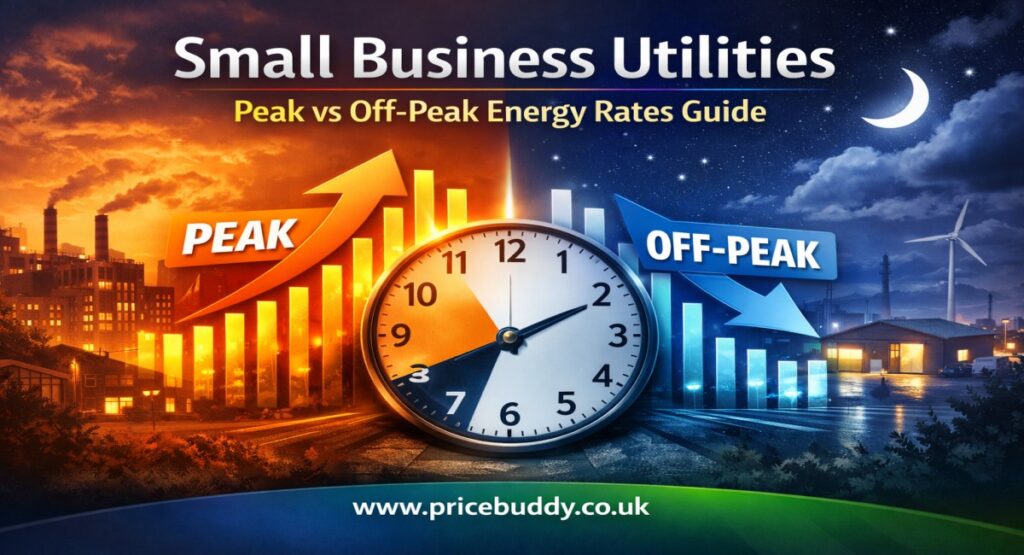
Usage profile: a business using large amounts of energy at night or off-peak times can get more favorable rates.
Contract duration: long-term terms have the advantage of locking in superior unit rates, but can lock in lower rates and limit flexibility
Online tools to compare business electricity costs and make sure they are not paying more than they should are also recommended to SMEs.
Average UK Business Electricity Rates (2025)
The average cost of business electricity rates in the UK varies by business size and consumption:
Micro Businesses (up to 15,000 kWh/year)
- Average unit rate: 27.3p per kWh
- Standing charge: 39p per day
Small Businesses (15,000–25,000 kWh/year)
- Average unit rate: 25.7p per kWh
- Standing charge: 48p per day
Medium & Large Businesses (25,000+ kWh/year)
- Average unit rate: 23–25p per kWh
- Standing charge: 67–122p per day
These figures are only benchmarks. The actual cost depends on contract length, supplier, and whether you secure the best business electricity rates in the UK through switching.
Fixed vs. Flexible: Which Is Best for Your Business?
The decision comes down to your business needs:
- Choose fixed rates if:
- You want budget certainty.
- Your business has steady energy usage.
- You want protection from sudden market rises.
- Choose Flexible Rates if:
- You can tolerate fluctuating bills.
- You’re confident prices may fall.
- You value contract flexibility over stability.
Ultimately, every SME should perform a business electricity rates comparison analysis to see which option aligns with their budget and growth strategy.
Future of Business Electricity Rates in the UK

The UK energy market is undergoing significant changes.
- There is no price cap set on businesses, and therefore, SMEs still have to remain dynamic in the management of contracts.
- Perhaps significantly, the government’s industrial strategy will halve the energy costs of some industries by 2027.
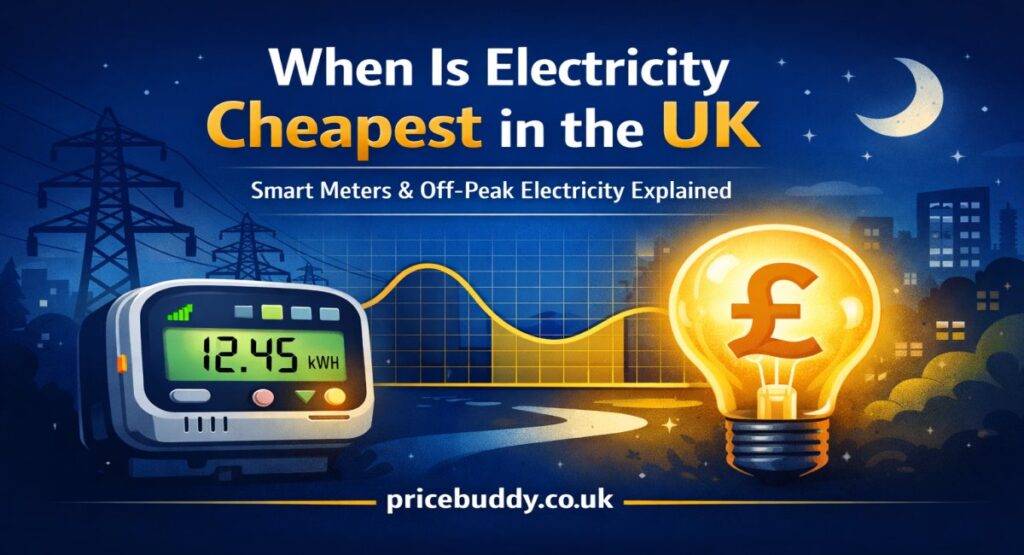
- More energy businesses will enjoy off-peak energy due to smart meters and time-of-use tariffs.
- Green and renewable tariffs are evolving into mainstream supplier propositions, with most suppliers offering green or renewable tariffs with a zero premium.
Companies that already review their options and compare business electricity rates periodically are the ones that are bound to take advantage of such changes.
FAQs
What is a good rate for business electricity?
A competitive rate suits the size and usage of your organization, and in 2025, we see anything around 23-25p per kWh for medium users as competitive.
What are the current business electricity rates in the UK?
By 2025, the price paid by microbusinesses, small businesses, and larger businesses will be approximately 27p/kWh, 25p/kWh, and 23-24p/kWh, respectively.
What type of business needs better rates on electricity bills?
Industries such as manufacturing, hospitality, and retail, which are extremely energy-intensive, stand to gain the most in securing better intern rates, since electricity constitutes a significant overhead risk.
Can I switch my business electricity supplier anytime?
You can usually switch at the end of your contract or during the renewal window. Early exits from fixed contracts often involve fees.
How often should I review my business electricity rates?
It’s best to review your contract 12 months before renewal or at least every 1–2 years to ensure you are still getting the best deal.
Compare Business Electricity Rates Today to Lock in the Best Deal
The energy markets are random. Timely locking up leads to the savings of thousands of dollars per year for your business. Choose between fixed and flexible tariffs as you like, but the main point is to run your search well in advance of your renewal date to find the optimal business electricity rates in the UK that current suppliers can offer.
Shopping and comparing online and paying rigorous attention to contract conditions can prevent exorbitant rollover rates and ensure that your company does not spend excessive amounts of money.