Skip to content
Relocating a commercial gas meter is a complex and highly regulated process, and for many UK businesses, understanding the full gas meter relocation cost is essential before moving forward. Whether a company is expanding, redesigning its internal layout, upgrading appliances, or resolving safety clearance issues, meter relocation requires careful planning, coordination with approved engineers, and compliance with stringent gas regulations.
This comprehensive 2025 guide provides UK businesses with a clear breakdown of the commercial gas meter relocation cost, the factors influencing pricing, the relocation process, timelines, compliance requirements, and practical strategies to reduce expenditure.
Throughout the guide, you will also see references to PriceBuddy, which many UK businesses use to compare multiple installer quotations and better understand their expected relocation costs—without promoting any specific services.
What Influences Commercial Gas Meter Relocation Cost in the UK?
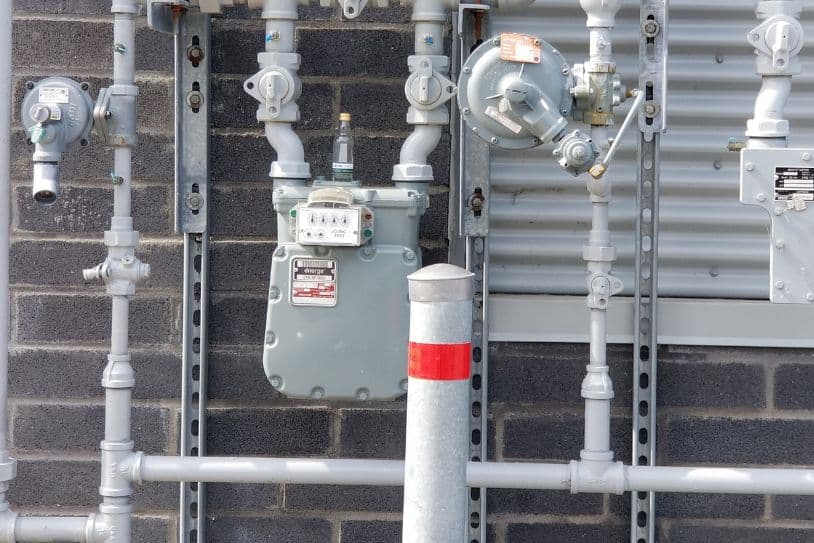
The gas meter relocation cost in the UK for commercial premises varies widely based on site complexity, regulatory requirements, and the level of modification needed to gas pipework. Unlike domestic properties, commercial sites often have higher gas loads, more extensive safety zones, and industrial-grade pipework, all of which can increase pricing.
A typical relocation request is influenced by several factors, including meter size, distance of movement, pipe routing, safety conditions, and the involvement of the Gas Transporter (GT) or Independent Gas Transporter (IGT). Businesses should expect a more detailed survey and engineering assessment than residential customers due to operational and regulatory risks.
Key pricing factors include:
- Size and type of meter (U25, U40, U65, U100, etc.)
- The distance the meter must be moved (internal or external)
- Modifications to internal and external pipework
- Site accessibility and operational constraints
- Safety isolation, testing, and certification requirements
Gas Meter Relocation Explained — How the Process Works
Commercial gas meter relocation follows a structured and fully regulated process. It must be completed by a Gas Safe-registered engineer and, in many cases, coordinated with the network operator. The work is significantly more technical for business sites due to higher-pressure systems, commercial appliances, and additional safety compliance.
The process typically begins with a detailed site survey, where the installer assesses existing pipework, meter positioning, safety distances, and route feasibility. Once approved, the gas supply is safely isolated, the pipework is modified or re-routed, and the meter is relocated to the new position. After installation, a full reconnection and commissioning test ensures compliance with UK gas safety regulations.
Typical commercial relocation steps include:
- Full site assessment and feasibility review
- Gas isolation and safe shutdown
- Pipe rerouting and meter repositioning
- Commercial pressure testing
- Final compliance checks and certification
Domestic vs Commercial Gas Meter Relocation Cost Comparison
The commercial gas meter relocation cost is generally higher than residential projects because business premises often operate with larger meters, higher gas loads, and more sophisticated pipework. Commercial sites must also meet additional safety regulations that do not apply to standard residential settings.
Business environments may require isolation outside business hours, coordination with contractors during renovation projects, or underground pipework changes. These factors can add significant time and labour costs.
Key differences between commercial and domestic relocations include:
- Larger meter capacities (U40 to U100+)
- Stricter commercial gas safety regulations
- Extended downtime management for business operations
- More complex pipework systems
- Higher testing and certification requirements
Average Relocate Gas Meter Cost in 2025
The average relocation gas meter cost in the UK for commercial clients depends on the distance moved, meter size, and site conditions. Below is a breakdown commonly seen across the industry in 2025, though businesses should obtain several quotations for accurate pricing.
Commercial Meter Relocation Cost Table (2025 UK Estimate)
| Project Type | Estimated Cost Range | Notes |
|---|---|---|
| Move meter 0–1 meter. | £650 – £1,200 | Minimal pipework changes |
| Move meter 1–3 metres | £1,200 – £2,800 | Moderate internal/external modifications |
| External relocation | £2,500 – £6,000+ | Depends heavily on excavation needs |
| Underground pipe rerouting | £3,000 – £8,000+ | For complex commercial sites |
| Commercial high-capacity meter (U65–U100+) | £2,000 – £7,500+ | Higher pressure systems |
| IGT network sites | +10–20% additional | Higher network operator fees |
These figures represent typical gas meter relocation cost UK ranges and may vary depending on site constraints, engineering requirements, and the level of disruption required.
Who Can Relocate a Gas Meter? Regulations, Safety & Compliance
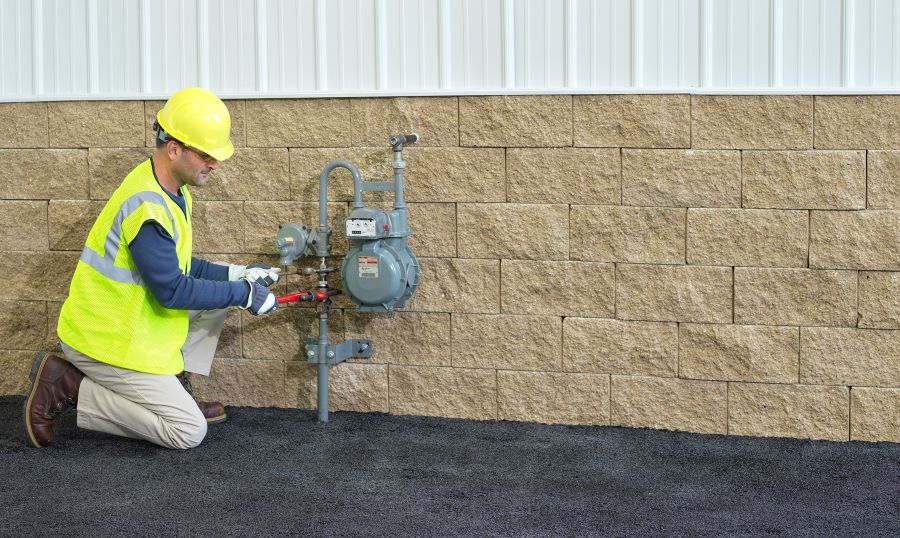
Only qualified Gas Safe engineers and approved network operators can legally relocate a gas meter in the UK. Businesses cannot undertake or commission non-certified individuals for meter movement due to the risks associated with commercial gas systems.
The network operator (such as Cadent, SGN, Wales & West, or Northern Gas Networks) often manages pipework leading up to the meter, while certified commercial installers handle internal pipework.
Key regulation points:
- Only approved engineers may relocate gas meters
- All work must comply with UK Gas Safety (Installation & Use) Regulations
- Businesses may require permits depending on building type
- High-load commercial systems need advanced pressure testing
Hidden Fees That Affect Gas Meter Relocation Cost
The gas meter relocation cost for commercial properties often includes additional elements that may not appear in the initial quotation. These hidden fees can increase total costs if not identified early.
Complex commercial sites may require excavation, reinforced pipework, temporary supply shutdowns, and additional certification. Businesses should also anticipate potential costs associated with meter upgrades or external wall modifications.
Potential hidden charges include:
- Emergency callout fees
- Underground excavation
- Gas capacity upgrades
- External wall drilling and sealing
- Additional commercial safety certification
How to Reduce Gas Meter Relocation Cost with Smart Planning
Businesses can reduce their gas meter relocation cost by carefully planning project timelines, coordinating relocation with renovation work, and preparing the site in advance. Proactive preparation reduces engineering time and minimises operational downtime.
Early surveys also help businesses identify unnecessary expenses and avoid last-minute changes that typically increase labour fees. Many organisations compare multiple quotes to understand cost differences and engineering recommendations.
Cost-saving strategies include:
- Schedule work during low-activity periods
- Combine relocation with renovation or expansion work
- Ensure complete site access for engineers
- Confirm meter size requirements before installation
- Compare multiple commercial relocation quotations
Gas Meter Relocation Cost for Businesses — What to Expect in 2025

In 2025, businesses should expect commercial gas meter relocation cost ranges to reflect inflation, increased labour charges, and regulatory updates. Large-scale sites such as warehouses, manufacturing facilities, and multi-unit buildings typically experience higher costs due to system capacity, pipe diameter, and pressure considerations.
Commercial relocation may also involve coordinated work with gas suppliers, building managers, and renovation contractors, increasing the overall project duration and cost.
Commercial sites must consider:
- Industrial pipework sizing
- Safety clearance zones
- Underground service mapping
- Business downtime planning
How Long Does It Take to Relocate a Gas Meter in the UK?
The timeline for relocation gas meter projects varies based on project complexity and whether network operator approval is required. Businesses should also consider property constraints, excavation needs, or internal layout restrictions.
While simple moves can be completed within a day, commercial and industrial sites may require extended planning and multiple engineering visits.
Typical timescales include:
- Simple relocations: 1–2 days
- Moderate commercial relocations: 3–10 days
- Complex excavations or redesigns: 1–4 weeks
- Projects requiring GT approval: additional 2–6 weeks
When Relocating a Gas Meter Becomes the Only Option
Businesses often pursue gas meter relocation to improve operational efficiency, comply with safety standards, or accommodate property changes. Regulatory guidelines specify strict clearance zones around gas meters, making relocation essential when businesses expand, renovate, or repurpose internal areas.
In addition, a change of use, equipment upgrades, or new building layouts may require a commercial meter to be moved externally.
Common triggers for relocation include:
- Property extensions or renovation work
- Compliance or safety clearance breaches
- Installing new commercial equipment
- Moving from internal to external walls
FAQs
1: How much does gas meter relocation cost in the UK on average?
Commercial gas meter relocation cost typically ranges from £650 to over £8,000 depending on distance, meter size, and pipework complexity. Larger commercial meter types, underground excavation, and external relocations increase costs.
2: Is commercial gas meter relocation more expensive than domestic?
Yes. Commercial relocations involve higher-capacity meters, stricter safety regulations, and more complex pipework. These factors create higher labour and engineering requirements, increasing costs.
3: How far can a gas meter be moved legally?
Meters can generally be moved several metres, either internally or externally, as long as regulations and safe clearances are met. Larger relocations may require redesign of pipe routing and additional approval.
4: Can a business relocate a gas meter independently?
No. Only Gas Safe-registered commercial engineers and authorised network operators can move a commercial gas meter. Businesses must comply with UK Gas Safety regulations.
5: How can businesses compare gas meter relocation quotes?
Most UK businesses compare quotations through consultancy platforms or independent advisors. Many use PriceBuddy as an information resource to understand cost differences and review typical commercial relocation requirements.
Final Thoughts
The gas meter relocation cost in the UK for commercial properties varies significantly depending on engineering requirements, safety regulations, the distance of the move, and site-specific complexities. Businesses should plan early, coordinate with approved installers, and secure multiple quotes to set realistic, accurate cost expectations.
Many commercial clients use advisory tools such as PriceBuddy to compare installer quotations and better understand potential relocation costs. This helps businesses evaluate pricing differences and make informed decisions based on site requirements and budget planning.
A detailed assessment and clear communication with approved engineers remain essential to ensuring safe, compliant, and cost-effective meter relocation.