Skip to content
A reliable gas meter is essential for every business that relies on gas for heating, cooking, or production. Over time, meters age, lose accuracy, or stop communicating properly with suppliers. When this happens, your business may face incorrect bills, compliance issues, or even interruptions in gas supply. This guide explains everything you need to know about gas meter replacement, including when it’s required, what causes failures, and how the UK replacement process works. PriceBuddy, a UK-based business energy consultant, often references this process when helping companies understand their energy infrastructure and usage.
Gas Meter Replacement, and Why Do Businesses Need It?
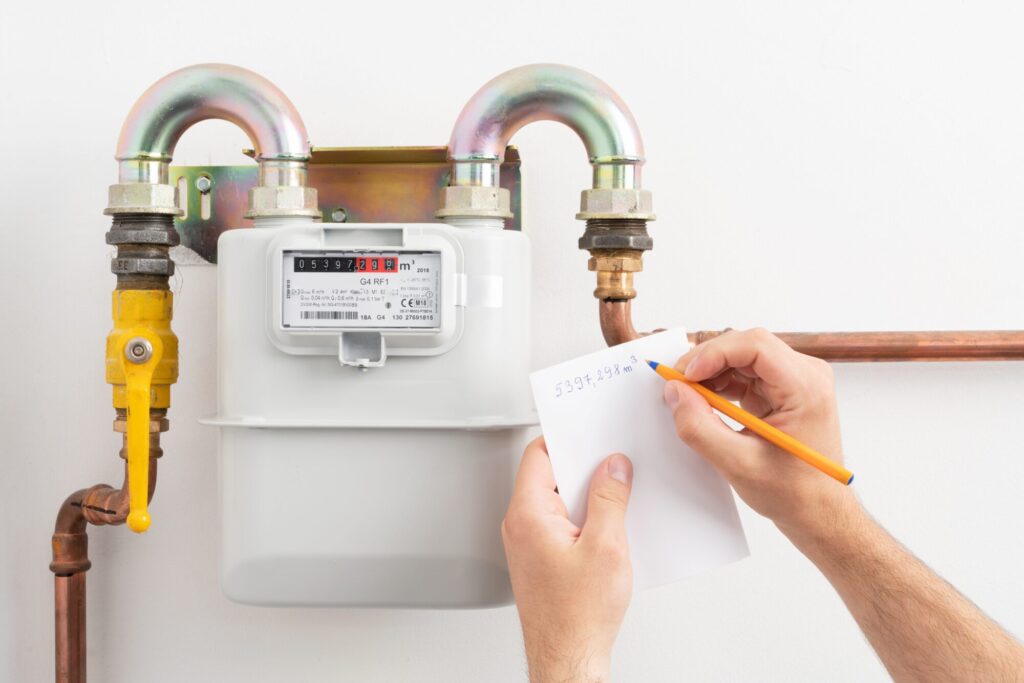
Gas meter replacement involves the removal of an old, defective, or inaccurate gas meter and the installation of a new, certified gas meter that meets modern UK standards. Companies usually need a replacement of the meter when the meter nears the end of its life, it fails an accuracy test, or the meter starts giving odd readings. With the replacement of meters on time, companies can avoid wrong bills, minimize safety hazards, and make their energy information trusted by the suppliers. Knowing about the significance of accuracy in meters can help avert unexpected charges, billing issues, and noncompliance.
When a Gas Meter Replacement Becomes Mandatory
Replacement is obligatory after a meter has hit its certification expiry, which is normally between 10-20 years, depending on the model. It has to be modified by suppliers to ensure that it is done in accordance with the regulations of the OFGEM, as well as ensuring that it is true to measurement. The lack of consideration for end-of-life meters may lead to various problems regarding billing and operational difficulties.
Why Businesses Should Not Ignore Meter Accuracy Issues
When your meter starts giving incorrect or changing readings, then it may cause overpayment or back-billing in the future. These mistakes are usually slow to be noticed, and that is why it is important to check the regular usage. Handling problems with accuracy at an early stage cushions your business against any financial surprise.
How a Faulty Commercial Gas Meter Affects Billing and Safety
A nonfunctional or partially working meter can conceal leaks, wrong billing period, and failure to report energy. Companies that use automated systems or consumption analysis risks will have inaccurate budgeting. Malfunctioning meters may also enhance insurance risks and regulatory exposure.
Common Signs Your Gas Meter Is Not Working Properly
Knowing the warning signs of a faulty meter helps you take action before issues escalate. Many businesses unknowingly operate with meters that give wildly inaccurate readings, causing irregular bills and energy usage data that cannot be trusted. From display errors to inconsistent consumption reports, these red flags are often the first indicator that you may need a gas meter replacement. Addressing them early prevents billing disputes, keeps your supply stable, and ensures your business stays compliant with UK regulations.
Unexpected Spikes or Drops in Business Gas Bills
If your monthly gas bills change dramatically without any operational differences, the meter may not be recording correctly. These fluctuations often appear gradually, making them easy to overlook. Consistent bill monitoring can prevent costly surprises.
Display Errors and Fault Codes on Modern Gas Meters
Blank screens, frozen displays, or unreadable symbols are common indicators of failure. Modern meters may also show error messages or fault codes. These issues typically mean the internal components are malfunctioning and require replacement.
Physical Damage, Noise, or No Readings from the Meter
Visible damage, unusual sounds, or complete loss of readings are signs of internal faults. These issues can affect data accuracy and safety. In such cases, businesses should organise an immediate inspection or replacement.
SME Gas Meter Issues: What Small Businesses Should Look Out For

Small businesses often overlook early signs of meter issues because they rely heavily on estimated billing or lack tools to monitor consumption accurately. SMEs operating on tight budgets can be significantly impacted by a faulty or outdated meter. Understanding the most common SME-specific problems helps business owners take quick action to avoid overbilling, downtime, or compliance issues — especially when an urgent business gas meter upgrade is needed.
Frequent Estimated Bills and Incorrect Readings
If you regularly receive estimates, your supplier may not be able to obtain accurate readings. This often indicates a communication or hardware fault. SMEs can resolve this quickly by requesting a meter inspection.
Older Meters in Need of a Business Gas Meter Upgrade
Many SMEs still use meters installed more than a decade ago. These older units often fail modern accuracy tests. Upgrading improves billing accuracy and enables more reliable energy tracking.
Safety and Compliance Risks for SMEs Using Outdated Meters
Using old or faulty meters increases the chance of regulatory breaches during audits. These issues may also impact insurance claims. Proactive upgrades protect SMEs from avoidable operational risks.
Understanding the Gas Meter Change Process for UK Businesses
The gas meter change process in the UK is straightforward, regulated, and designed to minimise business disruption. Businesses typically undergo a pre-inspection, followed by an appointment where a certified engineer replaces the meter safely. Understanding this process prevents confusion, avoids delays, and ensures your company remains fully compliant. Whether it’s due to a fault, certification expiry, or a planned gas meter replacement in UK, you’ll know exactly what to expect.
How to Request a Gas Meter Replacement in the UK
Businesses can request a replacement through their supplier or via a meter operator. After verifying eligibility, they will arrange an appointment. Early scheduling helps avoid long wait times during busy periods.
What Happens During a Commercial Gas Meter Inspection
An engineer will test pressure, accuracy, and internal components. They will check for leaks and confirm the meter’s safety. If a fault is confirmed, a replacement will be recommended.
How Long the Meter Replacement Appointment Usually Take
Most appointments last between 30 and 90 minutes. Complex installations may take longer. Downtime is minimal, as gas is restored immediately after testing.
Business Gas Meter Upgrade Options: Standard vs Smart Meters

Upgrading a business gas meter can significantly improve accuracy, reduce billing disputes, and provide valuable insights into gas consumption patterns. Modern smart meters allow businesses to track usage in real time, reduce waste, and forecast future costs with greater precision. Understanding the benefits of a business gas meter upgrade helps companies choose the right meter type for their needs and plan for long-term energy efficiency.
When a Business Should Upgrade from a Traditional to a Smart Meter
Upgrade if you’re experiencing inconsistent bills or need better analytics. Smart meters provide granular data. They also help businesses identify wasteful equipment.
Benefits of Smart Gas Meters for Commercial Properties
Smart meters send readings automatically, eliminating manual effort. They improve accuracy and reduce billing errors. They also support energy-saving strategies with clear consumption data.
Cost, Installation Time & Supplier Requirements
Most upgrades are free through your supplier. Installation is quick and minimally disruptive. Some large sites may require additional equipment.
How to Replace a Commercial Gas Meter Safely and Legally
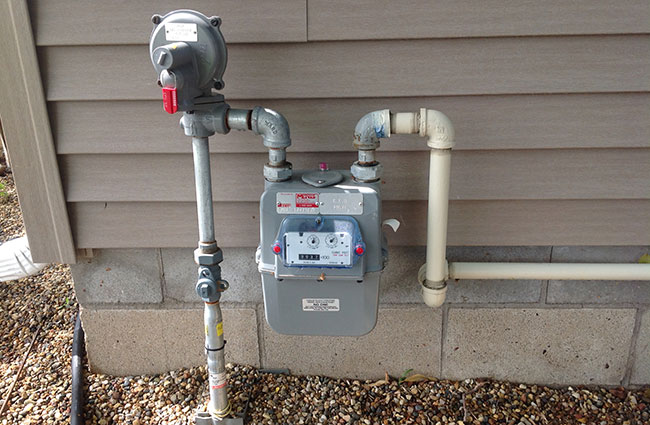
Replacing a commercial gas meter requires strict compliance with UK energy and safety regulations. Only trained engineers can handle the process, ensuring proper installation, leak prevention, and accurate calibration. Understanding who is responsible and what standards apply helps businesses prepare for a smooth and secure replace commercial gas meter without violating any legal requirements.
Who Is Responsible for Replacing a Business Gas Meter?
Your supplier or the MOP handles replacements. They ensure the meter is certified and correctly installed. Businesses are not allowed to replace meters independently.
Compliance Rules and Gas Safety Regulations in the UK
All work must meet OFGEM and GSIUR standards. This ensures accuracy and safety. Noncompliance can result in fines or disconnection.
Ensuring Minimal Downtime During Your Business Meter Replacement
Engineers plan replacements to minimise disruption. Gas is isolated temporarily but restored quickly. Businesses usually resume operations within an hour.
Gas Meter Replacement in the UK: Regulations, Costs & Eligibility
Businesses in the UK are required to maintain meters that meet certification accuracy standards. Replacements are often free when meters expire or fail accuracy tests, while relocations or capacity changes may incur costs. Understanding the full scope of UK regulations helps businesses determine when a gas meter replacement in UK is required and whether they qualify for free upgrades.
UK Regulations Governing Commercial Gas Meter Replacement
Ofgem mandates replacements at certification expiry. Businesses must also replace meters failing accuracy checks. These rules ensure fair billing and safety.
Typical Costs and When Replacements Are Free
Most replacements are free if the meter is faulty or expired. Costs apply mainly for relocations or upgrades. Always confirm with your supplier beforehand.
How to Check If Your Business Qualifies for a Free Meter Upgrade
Contact your provider with your meter serial number. They can check certification status. If expired, you’ll receive a free replacement.
When Your Business Should Book a Gas Meter Replacement

Businesses should request a replacement when bills fluctuate unexpectedly, the meter shows signs of failure, or during renovations and relocations. Faulty meters can lead to incorrect charges and regulatory issues, so acting early helps avoid unnecessary financial and operational risks. A proactive approach ensures your business operates safely, efficiently, and in line with UK energy standards.
Billing Problems and Accuracy Concerns
Sudden bill changes often indicate meter issues. Reviewing usage patterns helps confirm faults. Address problems immediately to avoid disputes.
Old or Non-Functional Gas Meter Signs
Blank displays and error messages require urgent attention. Older meters often fail accuracy tests. Replacing them improves reliability.
Business Expansion, Renovation, or Relocation Needs
New premises or increased gas demand may require a new meter. Upgrades ensure capacity and safety. Always schedule replacements ahead of time.
FAQs
1. How often should a commercial gas meter be replaced?
Most commercial meters require replacement every 10–20 years based on certification. Older models may need earlier testing or upgrading.
2. What are the main signs my gas meter needs replacing?
Irregular bills, display errors, or no readings at all are common warning signs. Physical wear, noises, or inaccurate usage reports also indicate faults.
3. Who is responsible for replacing a business gas meter?
Your energy supplier or meter operator is responsible for replacements, not the business owner. They will schedule the appointment and handle the installation.
4. Are gas meter replacements free for businesses in the UK?
Yes — if the meter has expired or is faulty, replacements are usually free. Charges apply only for relocations or increased capacity requests.
5. How long does the gas meter replacement process take?
Most replacements take 30–90 minutes, with minimal downtime. Businesses typically resume operations immediately after installation.
Conclusion
Your business should arrange a replacement when bills become inconsistent, the meter stops working correctly, or the certification period expires. Faulty meters lead to inaccurate billing, compliance risks, and operational disruptions.
A timely gas meter replacement ensures accurate readings, improves safety, and supports efficient energy use, especially for SMEs aiming to control costs. Businesses reviewing their energy systems with consultants such as PriceBuddy often learn that meter replacements or upgrades can significantly improve data accuracy and long-term energy planning.