Skip to content
Business electricity costs remain one of the most difficult overheads for UK companies to predict and control. As we move through 2026, many business owners are asking the same question: What is a good rate for business electricity, and how do I know if I’m paying too much?
The challenge is that there isn’t a single answer that applies to every business. Electricity pricing depends on usage, timing, risk appetite, and the wider UK energy market. What might be a good rate for one company could be expensive for another.
This guide breaks down everything UK businesses need to know about business electricity rates, what makes a rate “good” in real terms, and how to judge whether your current deal still makes sense in 2026.
Why Business Electricity Rates Still Matter in 2026
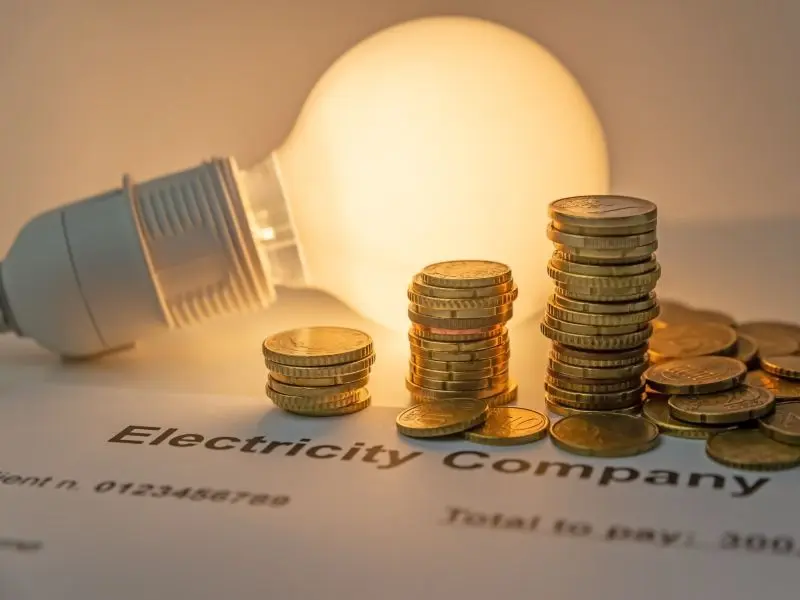
Energy prices may not dominate headlines in the same way they did during the crisis years, but electricity remains a major cost for British businesses. Wholesale markets continue to fluctuate, and non-energy charges such as network fees and policy costs have increased steadily.
For many SMEs, electricity is one of the few large overheads that can still be actively managed. Securing a reliable rate for business electricity can make a meaningful difference to cash flow, especially for energy-intensive sectors such as hospitality, retail, manufacturing, and professional services with long operating hours.
Understanding what qualifies as a good rate for business electricity in the UK is now less about chasing the cheapest number and more about finding the right balance between cost, stability, and predictability.
What Does a “Good Rate for Business Electricity” Actually Mean?
A good rate for business electricity is not simply the lowest pence-per-kilowatt-hour figure available on the day you sign a contract. In practice, a good rate is one that fits your business profile and protects you from unnecessary risk.
For most UK businesses, a good rate means:
- A competitive unit price based on your usage level
- Fair standing charges that reflect your meter type
- Contract terms that match your risk tolerance
- Price certainty that allows you to budget confidently
Many businesses assume that good rates for business electricity are purely about price. In reality, reliability, transparency, and suitability are just as important.
Business Electricity Rates in the UK: A 2026 Snapshot
While exact prices vary daily, it’s still useful to understand typical ranges. In 2026, British business electricity rates continue to differ based on size, meter type, and consumption patterns.
Microbusinesses (such as small offices or local retailers) generally face higher unit rates due to lower overall usage. Medium-sized businesses often benefit from more competitive pricing, while large commercial users may access bespoke or flexible contracts tied more closely to wholesale markets.
Standing charges have also become a more noticeable part of the total bill. Even businesses with modest consumption can see costs increase if standing charges are high, which is why focusing solely on unit rates can be misleading.
These variations explain why there is no single benchmark that defines the best rate for business electricity across the UK.
What Is Considered a Good Rate for Business Electricity in the UK?
When business owners ask what a good rate for business electricity looks like in the UK, they are usually comparing their current deal to the wider market.
In broad terms, a good rate in 2026 is one that:
- Sits competitively within market ranges at the time of signing
- Reflects your annual consumption accurately
- Avoids inflated renewal or rollover pricing
- Provides cost stability over the contract term
A café operating seven days a week, for example, may prioritize predictable monthly costs, while a warehouse with variable demand may benefit from a more flexible approach. In both cases, a “good” rate looks different.
This is why many businesses struggle to judge whether they are paying a fair price without context.
Key Factors That Influence Business Electricity Rates

Business Size and Consumption
Energy suppliers price risk based on volume. Businesses that consume more electricity generally receive lower unit rates because they represent a larger, more predictable customer.
Low-usage businesses often pay more per kWh, which can make finding affordable business electricity rates more challenging. However, even small businesses can secure competitive deals by understanding how suppliers view their usage.
Meter Type and Usage Profile
Your electricity meter plays a major role in pricing. Single-rate meters are simpler but may not reward businesses that consume more power outside peak hours.
Half-hourly meters, often used by larger businesses, track usage in real time and allow for more detailed pricing structures. These businesses may access rates that reflect actual consumption patterns rather than estimates.
Location and Distribution Network
Electricity is delivered through regional networks, each with its own charges. This means two identical businesses in different parts of the UK can pay different rates.
These regional differences are built into British business electricity rates and are unavoidable, but they should still be factored into comparisons.
Contract Length and Market Timing
Contract length has a direct impact on pricing. Longer contracts often provide stability but may not capture future price drops. Shorter contracts offer flexibility but expose businesses to market volatility.
In 2026, many businesses are opting for balance rather than extremes, aiming for contracts that offer predictability without locking them in unnecessarily.
Fixed vs Variable Business Electricity Rates
Fixed contracts remain the most common choice for UK SMEs. They provide a set unit rate and a standing charge for the duration of the agreement, making budgeting simpler.
Variable contracts, by contrast, move with the market. While these can deliver savings during periods of falling prices, they also carry the risk of sudden increases.
For most businesses, the best rate for business electricity is not the cheapest variable option but a fixed rate that aligns with cash-flow needs and risk tolerance.
Why the Cheapest Rate Isn’t Always the Best
It’s tempting to focus solely on headline prices, but the cheapest quote can sometimes hide higher long-term costs.
Some contracts include low unit rates but high standing charges. Others may appear cheap initially, but include automatic rollover clauses that dramatically increase costs if the contract is not renewed in time.
A truly reliable rate for business electricity is transparent, fair, and appropriate for how your business actually uses power.
Affordable Business Electricity Rates: Looking Beyond Price
Affordability is about the total cost of electricity, not just the advertised rate. A deal is affordable if it delivers value across the full contract term without unexpected increases.
Businesses should consider:
- Total annual cost, not just unit price
- Contract flexibility
- Supplier billing accuracy and service reliability
Affordable business electricity rates are those that support business growth rather than creating financial uncertainty.
How to Compare Business Electricity Rates Properly
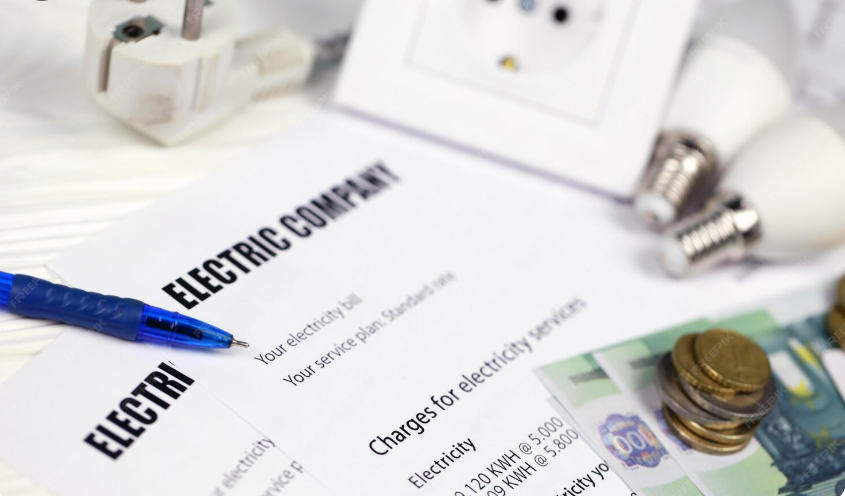
Comparing business electricity rates requires more than scanning comparison tables. A meaningful comparison looks at:
- Unit rates and standing charges together
- Contract length and exit terms
- Supplier reputation and billing practices
This is where professional insight can be particularly helpful. Business electricity consultants analyze usage data and market conditions to identify suitable options, rather than just the cheapest ones.
Companies such as PriceBuddy, for example, operate in this advisory space by helping businesses understand their energy usage and compare available contracts more clearly. Their role is informational rather than promotional, supporting decision-making rather than pushing a specific supplier.
Common Myths About Good Business Electricity Rates
One common myth is that large suppliers always offer better prices. In reality, smaller or independent suppliers can sometimes provide more competitive or flexible deals depending on the market.
Another misconception is that switching is risky or disruptive. In the UK, supplier switching does not interrupt electricity supply, and the process is largely administrative.
Finally, many businesses believe that once a contract is signed, nothing can be done until it ends. In practice, reviewing contracts early is one of the best ways to secure good rates for business electricity.
How to Secure a Good Rate for Business Electricity in 2026
The most effective way to secure a good rate is to start early. Reviewing your contract six to nine months before expiry allows time to assess market conditions and avoid costly rollovers.
Understanding your usage data, being clear about risk tolerance, and comparing offers properly all contribute to better outcomes.
Businesses that take a proactive approach are far more likely to secure a good rate for business electricity in the UK than those who wait until the last minute.
FAQs
1. What is a good rate for business electricity in the UK?
A good rate for business electricity in the UK is competitive for your usage level, includes fair standing charges, and offers price stability. Rates vary by business size, location, and contract length.
2. How do I know if I’m on a good rate for business electricity?
You can check by comparing your unit rate and standing charge with current market offers and your total annual cost. Some businesses use consultants like Price Buddy to understand whether their rate is still competitive.
3. Are good rates for business electricity the same for all businesses?
No. Good rates for business electricity depend on consumption, meter type, and risk preference. What suits a small office may not suit a high-usage business.
4. Is the cheapest tariff a good rate for business electricity?
Not always. A good rate for business electricity should be reliable and transparent, not just cheap. Low prices can sometimes come with higher long-term costs.
5. When is the best time to secure a good rate for business electricity?
The best time is usually several months before your contract ends, allowing you to compare options and avoid costly rollover rates. Advisors such as PriceBuddy often recommend early reviews.
Final Thoughts
In 2026, a good rate for business electricity is not defined by a single number. It is defined by suitability, fairness, and predictability.
The best business electricity rates are those that reflect how a business operates, support financial planning, and minimize unnecessary risk. Whether you are a small local firm or a growing SME, understanding the components of your electricity costs is the first step toward better energy decisions.
Rather than chasing the cheapest deal, UK businesses are increasingly focused on securing reliable, affordable, and transparent electricity rates that allow them to focus on what matters most: running their business.