Skip to content
For UK businesses, gas is no longer a passive utility cost—it is a strategic operating expense that directly affects margins, pricing decisions, and long-term planning. As the commercial energy market continues to stabilise unevenly following years of volatility, businesses entering 2026 must take a more informed approach when reviewing Gas Quotes. Accepting renewals or relying on brand familiarity alone can expose organisations to inflated costs and restrictive contracts.
Unlike domestic energy pricing, commercial gas rates are individually negotiated and influenced by usage patterns, market conditions, and supplier risk. This guide explains how Gas Quotes work in the UK business market, how to assess contract quality beyond headline pricing, and how to secure a commercially sound agreement that supports operational stability in 2026.
Gas Quotes Explained: Why They Matter for UK Businesses
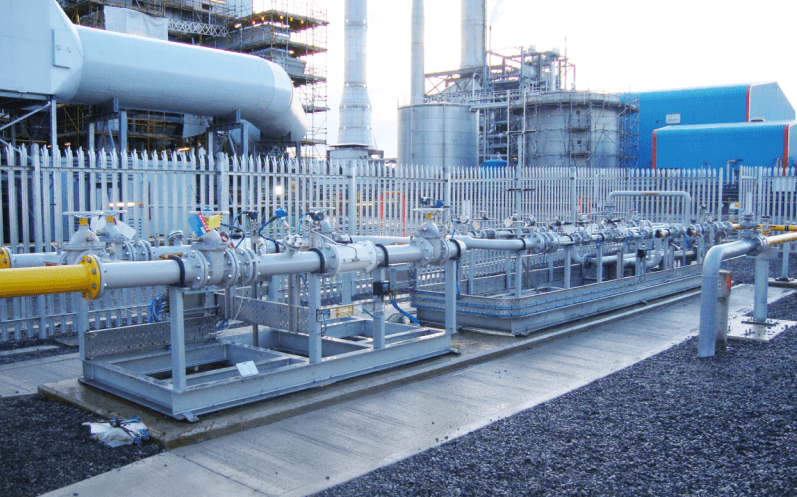
Gas Quotes are tailored pricing offers provided by commercial gas suppliers based on a business’s consumption profile, contract duration, and supply location. There is no regulated pricing framework for business customers, meaning suppliers apply different pricing strategies depending on risk exposure and market conditions. This makes understanding quote structure essential for cost control.
For many organisations, gas underpins daily operations—from heating premises to powering equipment. A poorly structured contract can limit flexibility, complicate budgeting, and increase exposure to price shocks. Reviewing Gas Quotes properly allows businesses to move from reactive purchasing to informed energy procurement.
Gas Quote: Core Elements Businesses Must Understand
- Unit energy cost linked to consumption
- Standing charges and fixed fees
- Length of the supply agreement
- Billing structure and payment terms
- Contract renewal and termination clauses
Why Comparing Offers Protects Business Cash Flow
- Supplier pricing is not standardised
- Contract terms vary significantly
- Default renewals are rarely competitive
- Comparison creates negotiation leverage
How Gas Quotes Are Calculated in the UK Business Market
Understanding how suppliers calculate Gas Quotes helps businesses avoid poor timing and unfavourable contract terms. Commercial pricing is influenced by wholesale gas markets, but also by how suppliers assess individual customer risk. This is why quotes change frequently and differ between businesses with similar usage.
Suppliers hedge wholesale costs differently depending on contract length and market confidence. A quote offered today may not be available tomorrow, making timing a critical factor. Businesses that understand this process are better positioned to secure value rather than accept convenience pricing.
Business Gas Quote: Supplier Pricing Criteria
- Estimated annual gas usage
- Contract start date and duration
- Payment reliability and credit exposure
- Meter type and supply region
External Factors That Shape Commercial Pricing
- Wholesale gas market movements
- Seasonal demand pressures
- Network and transportation costs
- Supplier risk tolerance
Types of Gas Quotes Available to UK Businesses
There is no single contract type that suits all organisations. The right Gas Quotes depend on how predictable a business’s cash flow needs to be and how much exposure it is willing to accept to market movements. Understanding contract options ensures alignment with operational priorities.
Most SMEs prioritise cost stability, while larger or more energy-aware businesses may accept flexibility to optimise spend. Choosing the wrong structure can undermine otherwise competitive pricing.
Best Gas Quotes Through Fixed-Rate Contracts
- Locked pricing across the contract term
- Predictable energy spend
- Reduced exposure to market volatility
- Commonly preferred by SMEs
Reliable Gas Quotes via Flexible Arrangements
- Pricing adjusts with wholesale markets
- Potential benefit during price declines
- Increased exposure to volatility
- Requires active monitoring
Gas and Electric Quotes: Bundled Energy Contracts
- Single supplier relationship
- Simplified administration
- Less pricing transparency
- Not always cost-effective compared to separate contracts
Gas Quotes in UK: Commercial Market Trends for 2026

The UK commercial gas market continues to evolve as suppliers adapt to risk management pressures. As 2026 approaches, pricing differences between suppliers are widening, and late renewals are increasingly penalised. Businesses that monitor these shifts gain a strategic advantage.
Market awareness allows organisations to time decisions more effectively and avoid being forced into unfavourable rollover terms. Understanding trends is now a key part of managing Gas Quotes responsibly.
Key Trends Affecting Commercial Energy Pricing
- Greater short-term price volatility
- Shorter quote validity windows
- Increased emphasis on contract length
- Reduced tolerance for late decision-making
What These Trends Mean for Businesses
- Early engagement improves choice
- Flexible start dates increase leverage
- Delayed action limits supplier options
- Proactive planning reduces risk
How to Compare Gas Quotes Without Overpaying
Many businesses overpay for gas because comparisons focus too narrowly on unit rates. Effective evaluation of Gas Quotes requires reviewing total contract cost, contractual risk, and supplier reliability. A structured approach prevents costly oversights.
Comparing contracts properly ensures that short-term savings do not result in long-term constraints or unexpected charges.
What to Review in Commercial Gas Offers
- Total projected cost over the full term
- Standing charges and minimum usage clauses
- Exit fees and renewal conditions
- Billing accuracy and service standards
Identifying Commercially Sound Contracts
- Transparent pricing structures
- Clear and fair contract wording
- Defined renewal processes
- Consistent customer support
Comparing Gas Quotes: British Gas Quote vs Independent Suppliers
A British Gas Quote is often perceived as a safe option due to brand recognition and infrastructure scale. While large suppliers offer stability, they are not always the most cost-effective choice for small and medium-sized businesses.
Independent suppliers frequently compete more aggressively on pricing and flexibility. Comparing both ensures decisions are based on value rather than familiarity.
Strengths of Large National Suppliers
- Established systems and processes
- Nationwide coverage
- Long-term market presence
- Predictable service frameworks
Advantages of Independent UK Gas Suppliers
- Competitive pricing for SMEs
- Flexible contract structures
- Faster customer response times
- Greater willingness to negotiate
Using Gas Quotes Strategically with Energy Consultants

Energy consultants support businesses by simplifying the procurement process and providing market insight. Their role is to analyse usage data, assess risk, and present suitable contract options aligned with business needs.
Rather than selling energy, consultants help organisations understand how Gas Quotes fit into broader cost-management strategies.
How Consultants Add Strategic Value
- Access to a wide supplier network
- Market timing guidance
- Contract suitability assessment
- Reduced internal workload
When External Support Is Most Useful
- Limited in-house energy expertise
- Complex usage profiles
- Approaching contract expiries
- Volatile market conditions
When to Secure Gas Quotes for Your Business in 2026
Timing is one of the most influential factors in securing favourable Gas Quotes. Businesses that wait until contracts expire often face higher prices and fewer options due to supplier risk exposure.
Early planning enables better pricing, greater flexibility, and stronger negotiation outcomes.
Recommended Contract Review Timeline
- Begin review six months before contract end
- Compare offers three to four months ahead
- Secure pricing during stable periods
- Avoid last-minute commitments
Risks of Late Decision-Making
- Automatic rollover rates
- Limited supplier availability
- Reduced negotiating power
- Increased long-term costs
Common Mistakes Businesses Make with Gas Quotes
Even experienced business owners can make avoidable mistakes when reviewing Gas Quotes. These errors typically stem from time pressure or lack of market understanding and can lead to unnecessary expense.
Awareness of common pitfalls helps businesses protect margins.
Frequent Errors to Avoid
- Accepting the first offer received
- Overlooking renewal notifications
- Ignoring termination penalties
- Choosing inflexible long-term agreements
Preparing Before Requesting Gas Quotes
Preparation directly impacts the quality and competitiveness of supplier offers. Businesses that provide accurate information receive more precise pricing and smoother contract transitions.
Organisation strengthens negotiation position.
Information Businesses Should Prepare
- MPRN details
- Estimated annual consumption
- Current contract end date
- Existing supplier information
Benefits of Being Prepared
- Faster quote turnaround
- More accurate pricing
- Improved negotiation leverage
- Fewer contractual disputes
Negotiating Gas Quotes for Better Commercial Outcomes
Supplier offers are rarely final. Many Gas Quotes can be improved through informed negotiation, particularly when businesses present competing options and clear usage data.
Even small adjustments can result in meaningful savings over the contract term.
Effective Negotiation Approaches
- Compare multiple supplier offers
- Request standing charge adjustments
- Clarify renewal and exit terms upfront
- Seek reasonable contract flexibility
When Negotiation Is Most Effective
- During stable market conditions
- With flexible start dates
- When suppliers are actively competing
- With accurate consumption data
Red Flags to Watch for in Gas Quotes
Some contracts appear attractive but contain hidden risks. Identifying warning signs early protects businesses from future disputes and cost escalation.
Warning Signs in Commercial Contracts
- Unclear pricing breakdowns
- Automatic contract extensions
- Extremely low rates without explanation
- Poor communication from suppliers
What Trustworthy Contracts Look Like
- Clearly documented terms
- Transparent pricing models
- Fair renewal structures
- Reliable customer support
FAQs
1. How many Gas Quotes should a business review?
Most businesses benefit from comparing at least three to five offers to understand market pricing and identify fair value.
2. Are bundled gas and electricity contracts always better?
Not necessarily. Bundled agreements offer convenience but may reduce pricing flexibility compared to separate contracts.
3. Can small businesses still secure competitive rates?
Yes. Early planning and accurate usage data significantly improve access to strong commercial terms.
4. Does working with a consultant like PriceBuddy affect supplier choice?
Consultants such as PriceBuddy operate in an advisory capacity, helping businesses understand available options rather than promoting specific suppliers.
5. Is switching suppliers disruptive for businesses?
No. Supply continuity is maintained during standard commercial switching processes.
Conclusion
Securing the right Gas Quotes in 2026 requires planning, market awareness, and careful evaluation of contract terms. Businesses that understand how commercial pricing works, compare suppliers objectively, and avoid rushed decisions are far better positioned to manage energy costs sustainably.
Whether reviewing British Gas quotes, comparing independent suppliers, or exploring gas and electric quotes, or seeking guidance from a gas consultant such as Price Buddy, informed decision-making leads to contracts that support operational stability rather than undermine it