Skip to content
Running a small business comes with tight margins, and electricity is one of the most unavoidable operating costs. Understanding micro business Electricity usage and current rates helps business owners budget more accurately, avoid bill shocks, and make smarter decisions when choosing suppliers. From cafés and salons to home offices and small retail shops, electricity consumption patterns can vary greatly. This guide explains how electricity usage works, what current prices look like in the UK, and how micro businesses can manage their costs more effectively.
What Is Micro Business Electricity and Why It Matters

Micro business Electricity refers to a commercial electricity supply designed for very small businesses that use relatively low amounts of energy. These businesses often fall into a unique category because they consume more energy than a household but far less than large commercial operations. Understanding this type of supply matters because tariffs, protections, and pricing structures differ from domestic contracts. Many micro businesses unknowingly overpay simply because they use the wrong tariff type or remain on out-of-contract rates. Knowing how this market works allows owners to take control of their energy spending and avoid unnecessary financial strain.
Understanding micro business Electricity for small enterprises
For small enterprises, electricity is not just a utility but a fundamental business resource. Hair salons, cafés, small offices, and workshops rely heavily on consistent power for daily operations. The way micro business Electricity is structured means that even inactive equipment can drive up costs through standby consumption. Many small businesses benefit from understanding their daily energy footprint so they can make informed operational decisions. A clearer view of energy usage often results in immediate cost-saving opportunities.
• Greater control over monthly expenses
• Easier identification of wasted energy
• Better budgeting for seasonal changes
• Improved operational planning
How micro business Electricity works in daily business operations
Daily operations affect how electricity is consumed, billed, and managed. Opening hours, equipment usage, heating and cooling, and lighting schedules all influence monthly bills. Unlike household usage, micro business Electricity often peaks during working hours, which can coincide with higher network demand. Knowing these patterns helps businesses shift certain activities to cheaper periods where possible. Over time, this operational awareness leads to more stable and predictable electricity costs.
• Peak-time and off-peak usage differences
• Equipment cycles and standby power use
• Operational hours and energy intensity
• Workflows that influence consumption patterns
Average Micro Business Electricity Usage in the UK
Usage levels for micro businesses differ significantly depending on industry, size, and operating hours. In the micro business Electricity in UK, average usage is often measured in annual kilowatt-hours (kWh) to create practical benchmarks. These benchmarks help business owners understand whether they fall within an expected range or if they are using more power than necessary. Seasonal variations such as winter heating and summer cooling can also heavily impact electricity bills. By understanding these averages, micro businesses can set realistic savings targets and spot unusual spikes in their usage.
Typical energy usage by business type
Different business types have different energy needs, even within the micro business category. A small café might use more electricity due to appliances like coffee machines and refrigeration, while a home office may have much lower usage. Retail shops often have constant lighting and display power requirements. These patterns make it easier to plan consumption and forecast costs accurately. Comparing your business to similar types helps highlight opportunities to improve efficiency.
• Cafés and bakeries with constant appliance use
• Salons using heating equipment and dryers
• Retail shops with extended lighting needs
• Home offices with lower but steady usage
Micro business Electricity in UK: usage benchmarks
Benchmarks in the micro business Electricity in UK sector act as a reference point for evaluating performance. These ranges are derived from industry averages and help micro businesses assess whether their usage is normal or excessive. Reviewing these benchmarks annually provides useful insights for budgeting and supplier negotiations. This data also supports smarter decisions when upgrading equipment or adjusting operating hours.
• Typical annual kWh consumption ranges
• Industry-specific usage averages
• Seasonal adjustment expectations
• Long-term tracking for performance monitoring
Current Micro Business Electricity Prices Explained

Understanding how micro business Electricity prices are formed helps business owners make better financial decisions. Prices are influenced by wholesale market conditions, national grid costs, and supplier margins. In addition, government environmental schemes and infrastructure maintenance fees are added to final bills. Because micro businesses sit between domestic and large commercial users, their pricing structure can feel complex. A clear understanding of how these components work makes it easier to evaluate whether a current contract is competitive.
What affects micro business Electricity prices
Several external and internal factors shape monthly electricity costs. Wholesale energy markets fluctuate frequently, which causes variable unit rates when contracts end or renew. Distribution and transmission charges ensure electricity reaches business premises safely and reliably. Policy costs linked to renewable energy and carbon reduction also contribute to final bills. By understanding these components, businesses gain transparency and stronger negotiating power.
• Wholesale market fluctuations
• Network and grid maintenance fees
• Environmental and policy charges
• Supplier operating margins
Micro business Electricity rates compared to domestic tariffs
There are important structural differences between domestic and commercial pricing models. Micro business Electricity rates often include negotiated terms, variable standing charges, and different protections under energy regulations. Unlike domestic contracts, micro businesses may face higher charges after contracts end. Understanding these distinctions protects business owners from unintentionally staying on expensive rollover contracts.
• Different standing charge structures
• Contract vs out-of-contract pricing
• Negotiated unit rates
• Regulatory differences between sectors
How to Find the Best Micro Business Electricity Deals
Finding reliable micro business Electricity deals requires more than just choosing the cheapest visible rate. Factors such as contract flexibility, supplier reputation, and hidden service charges play a major role in long-term value. Businesses that frequently review their contracts tend to secure better deals than those that remain with the same supplier for years. Understanding how suppliers structure their offers helps micro businesses avoid costly traps. A structured approach to comparison often results in better price stability and improved cash flow.
What makes strong micro business Electricity deals
Strong deals balance price, service quality, and contract transparency. Fixed contracts offer protection against market spikes, while flexible contracts allow businesses to benefit from falling prices. Green energy options are increasingly popular but can sometimes include premium rates. Reading contract terms carefully helps avoid penalties and hidden clauses that can increase long-term costs.
• Contract length and exit flexibility
• Unit rate stability
• Supplier service quality
• Renewable energy options
Best micro business Electricity UK options explained.
When evaluating the best micro business Electricity UK options, businesses should look beyond headline prices. Customer service reliability, billing accuracy, and complaint handling matter in long-term partnerships. Transparency in contract terms ensures there are no surprise fees. A well-reviewed supplier with fair contract terms usually delivers better overall value.
• Supplier reputation and reviews
• Contract transparency
• Responsiveness to issues
• Billing clarity and accuracy
Comparing Micro Business Electricity Prices Effectively
A proper micro business Electricity price comparison helps uncover real savings opportunities. Many businesses rely only on renewal letters, which may not reflect current market conditions. Comparing suppliers, tariffs, and fee structures gives a true picture of the options available. Simple mistakes, like ignoring standing charges, can make a seemingly cheap deal more expensive over time. A structured comparison process allows micro businesses to negotiate with confidence.
Tools and methods for micro business Electricity prices comparison
There are different ways to carry out a meaningful comparison. Some businesses use online comparison platforms, while others rely on industry consultants. Manual comparison takes more time but helps build a deeper understanding of the cost structure. Reviewing itemised quotes protects businesses from unexpected charges buried in contracts.
• Online comparison tools
• Broker and consultant insights
• Manual quote analysis
• Transparent cost breakdowns
Best electricity prices for micro business: what to look for
Finding the best electricity prices for micro business involves evaluating more than just the unit rate. Standing charges can significantly affect total costs, especially for low-usage businesses. Contract flexibility offers protection against unpredictable market conditions. Businesses that consider both price and stability tend to achieve better long-term savings.
• Low and stable unit rates
• Reasonable standing charges
• Flexible contract terms
• Price protection clauses
Understanding Micro Business Electricity Tariffs
Micro business Electricity tariffs come in several formats, designed to suit different usage patterns and risk preferences. Selecting the right tariff can dramatically affect long-term costs and budgeting stability. Fixed tariffs provide predictability, while variable options allow businesses to benefit from falling rates. Renewable tariffs are becoming increasingly popular as businesses aim to improve their environmental performance. Understanding how these tariffs work gives businesses control over both pricing and planning.
Main types of micro business Electricity tariffs explained
Different tariff structures suit different operational styles. Fixed tariffs are ideal for businesses that prefer cost certainty, while variable tariffs suit those willing to accept market risk. Green tariffs support renewable energy but may come with slightly higher rates. Multi-year contracts can lock in favourable pricing for longer periods.
• Fixed-rate tariffs
• Variable-rate tariffs
• Green and renewable tariffs
• Flexible purchasing contracts
How micro business Electricity rates are structured
Micro business Electricity rates are usually composed of unit charges and standing charges. Time-of-use tariffs may offer cheaper off-peak electricity for certain businesses. Weekend and overnight rates can be beneficial for businesses operating outside standard hours. Understanding this structure helps businesses reshape their usage to optimise costs.
• Unit rate per kWh
• Daily standing charge
• Peak and off-peak pricing
• Time-of-use tariff models
How to Lower Micro Business Electricity Bills Effectively
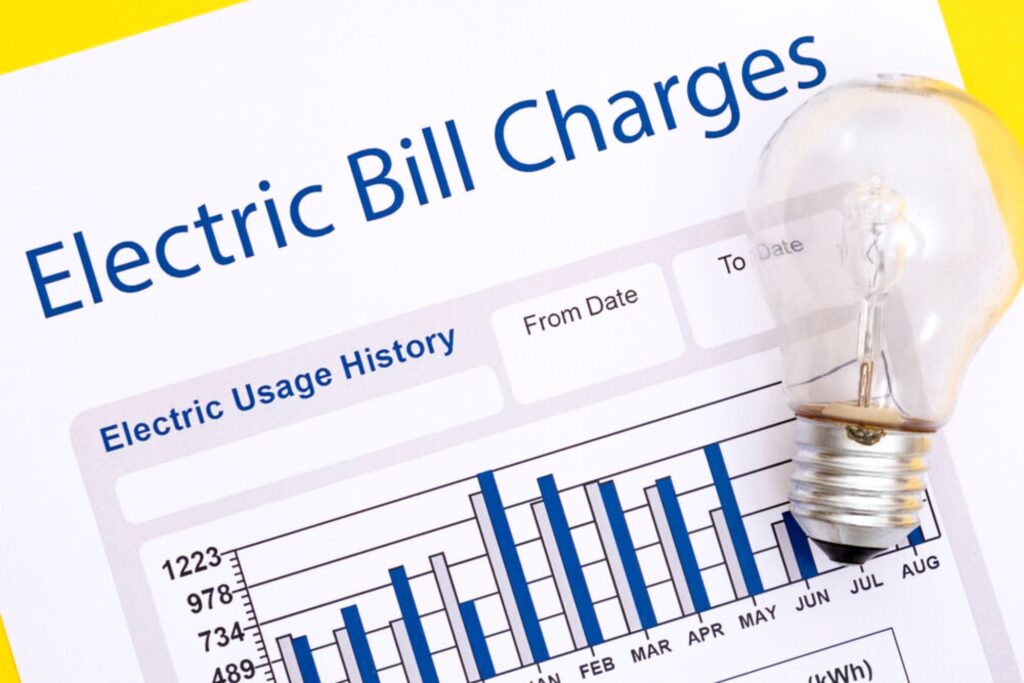
Reducing electricity bills is an achievable goal for most micro businesses, especially when approached strategically. Small operational changes often produce noticeable reductions in energy consumption. Upgrading to energy-efficient equipment can lower long-term costs and improve reliability. Smart monitoring tools provide real-time insights that help control waste. A consistent focus on efficiency transforms electricity from a fixed cost into a controllable business expense.
Practical ways to control energy usage
Energy efficiency starts with simple, consistent actions. Turning off unused equipment, upgrading lighting, and servicing machinery regularly can significantly improve performance. Encouraging staff awareness also helps prevent unnecessary consumption. These habits create a culture of efficiency that delivers long-term financial benefits.
• LED lighting upgrades
• Equipment maintenance routines
• Timers and smart plugs
• Staff energy-awareness practices
Smart monitoring for micro business Electricity savings
Smart meters and monitoring tools help identify waste in real time. Businesses can track usage spikes, set alerts, and analyse long-term trends. These insights enable faster corrective actions when inefficiencies appear. Over time, smart monitoring helps stabilise both consumption and costs.
• Real-time energy tracking
• Usage alerts and notifications
• Trend reporting tools
• Automated efficiency analysis
Future Trends in Micro Business Electricity in the UK
The micro business Electricity in UK market continues to evolve due to technological innovation and environmental policies. Smart grids, battery storage, and renewable energy integration are reshaping how small businesses consume electricity. Suppliers are offering more flexible contracts and advanced monitoring tools. Government policies aimed at carbon reduction are also influencing future tariff structures. Staying informed about these trends allows micro businesses to plan and remain competitive.
How the micro business Electricity market is changing
Markets are becoming more competitive, giving businesses more choice and improved service quality. Real-time pricing and smart grid technology are introducing more transparency. Renewable electricity sourcing is becoming more accessible to small businesses. These developments create new opportunities for cost management and sustainability improvements.
• Increased supplier competition
• Smarter energy infrastructure
• Renewable energy integration
• Digital billing and analytics tools
What rising demand means for micro businesses
Rising electricity demand leads to infrastructure improvements and pricing shifts. Businesses may see more dynamic tariff options and incentives for flexible usage. Battery storage and on-site generation are becoming more viable for micro businesses. These changes allow businesses to play a more active role in managing their energy profile.
• Infrastructure upgrades
• Flexible tariff schemes
• Energy storage solutions
• Demand response opportunities
FAQs
Q1: What is micro business Electricity?
Micro business Electricity refers to commercial electricity supplied to very small businesses with lower energy consumption than larger commercial operations.
Q2: How can I find better micro business Electricity deals?
Comparing suppliers, reviewing contract terms, and using industry insights—sometimes with guidance from consultants like PriceBuddy—can help identify more suitable deals.
Q3: What are typical micro business Electricity prices in the UK?
Prices vary depending on location, usage, and tariff type, but unit rates are generally higher than domestic tariffs and lower than large commercial contracts.
Q4: How do micro business Electricity tariffs work?
They combine standing charges and unit rates, with options for fixed, variable, and renewable tariffs depending on business needs.
Q5: Can PriceBuddy help with micro business Electricity price comparison?
Energy consultants such as PriceBuddy can help businesses understand micro business Electricity prices comparison more clearly by explaining tariff structures and highlighting cost-effective options.
conclusion
Understanding micro business Electricity helps business owners control costs, improve efficiency, and plan for sustainable growth. Regularly reviewing contracts, comparing tariffs, and tracking usage are essential for long-term financial stability. With greater transparency and smarter tools, micro businesses can now manage electricity costs more effectively than ever. Seeking guidance from experienced energy consultants such as Price Buddy can help clarify confusing tariff structures and highlight potential savings without disrupting daily operations.