Skip to content
Running a café or coffee shop in 2026 means operating in an environment where energy costs are no longer predictable or secondary expenses. Electricity and gas now play a central role in day-to-day profitability, influencing pricing decisions, staffing models, and opening hours. With tighter margins across the hospitality sector, understanding monthly energy is essential for long-term sustainability.
This guide explains how energy costs affect cafés in the UK, what drives those costs, how current and future energy rates may change, and how café owners can plan using reliable, data-driven insight rather than guesswork.
Why Energy Costs Matter for Cafés in 2026

Energy is one of the few operational costs cafés cannot easily reduce without planning. Coffee shops depend on electricity throughout the day, from early morning preparation to evening service. Even small inefficiencies can compound into significant monthly energy costs over time.
In 2026, cafés also face increased pressure from higher operating costs, wage growth, and supply chain volatility. As a result, energy rates have moved from being a background expense to a strategic consideration. Many café owners now rely on independent analysis, including insights from energy consultants such as PriceBuddy, to understand market changes clearly rather than reacting once bills arrive.
Understanding Energy Costs for a Café or Coffee Shop
Energy costs for cafés go far beyond a simple price per unit. They are made up of several components that together determine the final monthly bill. These components can change independently, making costs harder to predict without proper understanding.
Unlike domestic customers, cafés are exposed to market-driven pricing, meaning energy rates fluctuate depending on supply, demand, and contract structure. Because cafés typically operate long hours with consistent demand, even minor pricing differences can have a noticeable effect on the monthly energy rate. Understanding how these charges work helps owners make informed decisions rather than relying on assumptions.
Average Monthly Energy Costs for Cafés in the UK
Monthly energy prices vary widely across the UK, but realistic ranges help cafés budget effectively. Location, café size, and operating hours all influence the final energy rate. Urban cafés often face higher standing charges and network fees, while rural sites may experience different distribution costs.
Seasonality also plays a major role. Winter months typically bring higher energy costs due to heating and longer lighting hours, while summer may see reduced gas usage but steady electricity demand. Energy consultants such as PriceBuddy often highlight the importance of reviewing energy costs annually, as year-to-year conditions can change significantly.
Key Factors That Drive Energy Costs in a Coffee Shop
Equipment and Appliances
Café equipment is one of the largest contributors to energy cost. Espresso machines, grinders, refrigeration, and dishwashers often run for long periods, sometimes continuously. Older or poorly maintained equipment can draw more power than necessary, increasing monthly energy rates without being obvious.
Standby power is another hidden factor. Even when equipment is not actively in use, it may still consume electricity throughout the day. Over time, this adds up, making equipment choice and maintenance critical to controlling energy.
Opening Hours and Customer Demand
Opening hours have a direct and predictable impact on energy. Early openings and late closures extend electricity usage across more hours, increasing exposure to higher energy rates during peak demand periods. Cafés with weekend or evening trade often see higher monthly energy prices as a result.
Customer footfall patterns also matter. Busy periods require more intensive use of equipment, while quiet periods can still incur energy usage if appliances remain powered. Understanding when energy is used helps cafés adjust habits to manage costs more effectively.
Energy Rates and Tariff Structures
Energy rates determine how much cafés pay for each unit of electricity or gas, but the structure of the tariff matters just as much. Fixed contracts offer price certainty but may lock businesses into higher rates, while variable contracts expose cafés to market fluctuations.
Standing charges, time-of-use pricing, and contract length can all affect total energy costs. Independent consultants like PriceBuddy often help cafés interpret these structures so owners can understand their true energy rate exposure rather than focusing solely on headline rates.
Current Energy Rates Affecting Cafés
Business energy rates in the UK continue to reflect a combination of wholesale market conditions, infrastructure investment, and policy-related charges. While prices have stabilized compared to recent volatility, they remain higher than historic averages.
For cafés, this means electricity costs remain a key concern due to constant daytime usage. Rather than attempting to predict exact prices, many café owners focus on understanding how energy rates are built and how contract timing influences monthly energy costs.
Forecasting Energy Costs for Cafés in 2026 and Beyond
Looking ahead, energy costs are expected to remain influenced by long-term structural changes. Investment in the electricity grid, increased renewable generation, and evolving regulation will all play a role in shaping future energy rates.
While renewables may support greater stability over time, short-term volatility is likely to continue. Cafés that plan for flexible monthly energy costs rather than fixed assumptions are generally better positioned to adapt. Forecasting helps owners avoid reactive decisions when prices change.
Electricity vs Gas: Which Impacts Café Energy Costs More?
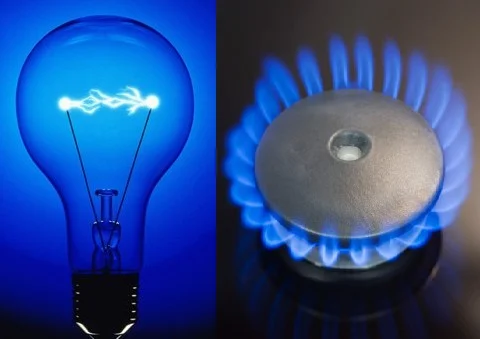
For most cafés, electricity represents the largest share of energy costs. Coffee machines, grinders, refrigeration, lighting, and ventilation all rely on electricity throughout the trading day. Even small inefficiencies can significantly increase monthly energy rates.
Gas usage is usually more seasonal, mainly affecting heating and hot water. While gas costs can spike in winter, electricity often remains the dominant energy over the course of a year. Consultants frequently assess both fuels together to ensure savings in one area do not increase costs in another.
Reducing Monthly Energy Costs Through Efficiency
Equipment Upgrades and Smarter Usage
Upgrading to energy-efficient equipment can deliver long-term reductions in energy. While upfront investment is required, modern appliances are designed to operate more efficiently under continuous use, which suits café environments.
Automation tools such as timers and smart controls also help limit unnecessary consumption. Over time, these changes can stabilize monthly energy costs and reduce exposure to rising energy rates.
Staff Awareness and Daily Energy Habits
Staff behavior has a measurable impact on energy costs. Simple actions, such as powering down unused equipment or managing heating and lighting sensibly, can prevent unnecessary energy waste.
Consistent routines at opening and closing times help cafés avoid running equipment longer than needed. Staff awareness supports affordable energy costs without compromising service quality or customer experience.
What Affordable Energy Costs Really Mean for Cafés
Affordable energy is about predictability and sustainability, not just the lowest possible rate. Cheap energy rates may appear attractive initially but can come with trade-offs such as higher standing charges or reduced contract flexibility.
Common Mistakes That Increase Café Energy Costs
Cafés often see rising energy costs due to avoidable mistakes. Locking into unsuitable contracts, ignoring usage data, and delaying equipment maintenance can all drive costs higher over time.
Another common issue is reacting to price increases without reviewing underlying usage. Regular analysis helps prevent gradual cost escalation and keeps monthly energy prices under control.
Budgeting and Planning for Energy Costs in 2026
Effective energy cost planning involves more than estimating monthly bills. Cafés benefit from tracking usage patterns, building buffers for rate changes, and reviewing energy costs regularly.
Using accurate data allows owners to forecast expenses more reliably. Energy consultants support this process by helping cafés interpret energy rates and usage trends, enabling informed financial planning rather than reactive decision-making.
FAQs
What are typical monthly energy costs for a café in the UK?
Monthly energy prices depend on size, location, and usage, but cafés often spend several hundred pounds per month, with electricity being the main contributor.
Why do energy prices differ between similar cafés?
Differences in energy rates, contracts, equipment efficiency, and operating hours all affect total energy cost.
Will energy costs rise further in 2026?
While exact prices are uncertain, energy costs in UK business markets are expected to remain variable due to ongoing market pressures.
Are cheap energy costs always the best option?
Not necessarily. Cheap Energy Costs can sometimes hide higher standing charges or less flexible contract terms.
How can cafés better understand their Energy Costs?
Many cafés consult independent experts such as PriceBuddy to analyse Energy Cost data and rate structures objectively.
Final Thoughts
In 2026, managing energy costs is a fundamental part of running a successful café. Owners who understand how energy costs are structured, how energy rates change, and how daily operations affect usage are better equipped to protect margins.
Independent energy consultants such as Price Buddy help cafés interpret complex pricing and market developments objectively. With careful planning, efficiency improvements, and ongoing monitoring, cafés can maintain predictable, affordable energy costs and focus on growing their business.