Electricity costs are no longer a background expense. With electricity UK rates fluctuating and energy bills remaining a major concern for households and small businesses alike, more people are asking a simple but important question: what time is off peak electricity?
Off-peak electricity refers to periods when power is cheaper because national demand is lower. While the concept sounds straightforward, the reality is more complex. Off-peak times vary depending on tariff type, region, meter setup, and increasingly, smart technology. Understanding these details can be the difference between saving money and accidentally paying more.
This guide explains off-peak electricity in the UK in full detail. It breaks down off-peak times, electricity rates, smart electricity meters, peak electricity hours, and how off-peak tariffs really work in practice. Whether you are managing household energy or running a small business, this article is designed to give you clarity, not confusion.
What is Off-Peak Electricity?

Off-peak electricity is electricity supplied during periods of low demand on the UK national grid. These quieter periods usually occur overnight when most homes and businesses are asleep or closed, and overall electricity consumption drops significantly.
Electricity suppliers incentivise customers to use power during these low-demand hours by offering a cheaper off-peak rate. This rate is lower than the standard or peak electricity rate applied during busier times of the day. The aim is to balance demand across the grid and reduce pressure during peak electricity hours.
From a technical perspective, off-peak electricity helps smooth demand curves, reduces the need for expensive standby generation, and allows better use of baseload power sources such as nuclear and renewables.
Key points to understand about off-peak electricity:
- It is linked to demand, not time convenience
- It is cheaper because the grid is under less strain
- It only works financially if usage aligns with off-peak times
- Not all electricity tariffs include off-peak rates
What Time is Off Peak Electricity in the UK?
The question of what time is off peak electricity UK does not have a single universal answer. Off-peak times depend on the tariff you are on and how your electricity meter is configured.
Traditionally, off-peak electricity in the UK runs overnight, when demand is lowest nationwide. However, start and end times can vary by region, supplier, and meter type. Some customers receive their off-peak electricity before midnight, while others do not receive it until the early hours of the morning.
Understanding your specific off-peak times is essential, especially if you rely on electricity for heating, charging, or business operations.
General characteristics of UK off-peak times:
- Mostly overnight
- Usually 7–10 hours long
- Fixed for traditional tariffs
- Flexible for smart tariffs
Standard Off-Peak Times Explained
For many UK customers, off-peak electricity runs for approximately seven hours overnight. Common windows include midnight to 7 am or 1 am to 8 am. These hours are chosen because national electricity demand drops sharply after late evening.
These standard off-peak times were originally designed around domestic storage heaters and water tanks, allowing them to charge overnight when electricity rates were lower.
Typical overnight off-peak periods include:
- 11 pm to 6 am
- 12 am to 7 am
- 1 am to 8 am
What Time is Off Peak Electricity UK by Tariff Type
Different tariff structures define off-peak times differently. The tariff type determines how many off-peak hours you receive and when they occur.
Economy 7 tariffs provide seven hours of off-peak electricity overnight. Economy 10 tariffs provide ten off-peak hours split across day and night. Smart tariffs use dynamic pricing that may change daily or even hourly.
Off-peak times vary based on:
- Tariff structure
- Regional distribution networks
- Meter configuration
- Supplier pricing models
What is Off-Peak Time for Electricity on Economy 7?
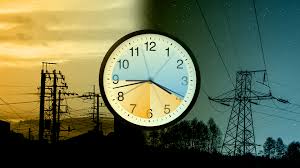
Economy 7 is the most widely known off-peak tariff in the UK. It offers a reduced off-peak rate for seven hours per day, with a higher rate applied during the remaining 17 hours.
The seven off-peak hours usually run overnight, but exact timings vary by region. Economy 7 was originally introduced to support electric heating systems that store heat overnight and release it during the day.
While Economy 7 can deliver savings, it can also be expensive if electricity usage occurs mostly during peak hours.
Economy 7 works best when:
- A large portion of electricity is used overnight
- Storage heaters or EV charging are used
- Timers are set correctly
- Daytime usage is limited
Risks of Economy 7 tariffs:
- Higher daytime electricity rates
- Limited flexibility
- Poor value for 9–5 businesses
Peak Electricity Hours vs Off-Peak Times
Peak electricity hours are the periods when electricity demand is highest across the UK. These hours usually coincide with people waking up, cooking, heating homes, and returning from work.
Peak electricity hours typically occur:
- Early morning (around 7 am–10 am)
- Late afternoon and evening (around 4 pm–9 pm)
During these periods, electricity rates are higher because the grid must accommodate increased demand, often using more expensive generation sources.
Off-peak times, by contrast, occur when demand drops and electricity generation can operate more efficiently.
Why peak electricity hours cost more:
- Higher wholesale prices
- Increased network strain
- Greater carbon-intensive generation
- Congestion on distribution networks
How Electricity UK Rates Are Calculated
Electricity UK rates are not arbitrary. They are influenced by a combination of wholesale energy prices, infrastructure costs, environmental obligations, and supplier margins.
Wholesale prices fluctuate constantly based on supply and demand, weather conditions, fuel availability, and global energy markets. These prices feed into electricity rates charged to consumers.
Time-of-use tariffs, including off-peak tariffs, reflect how these costs change throughout the day.
Components of electricity UK rates include:
- Wholesale energy costs
- Transmission and distribution charges
- Environmental levies
- Supplier operating costs
- Metering and billing infrastructure
What Time Is Off Peak Electric for Smart Meter Users?
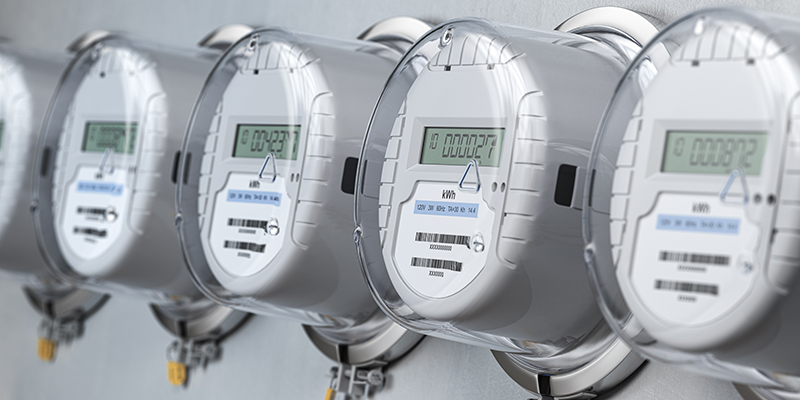
Smart meters have changed how off-peak electricity works. A smart electricity meter records usage in half-hourly intervals, allowing suppliers to offer more flexible pricing models.
With a smart meter, off-peak times may not be fixed. Instead, electricity rates can change daily depending on grid conditions, renewable output, and demand forecasts.
This flexibility can benefit customers who can shift usage, but it can also introduce unpredictability.
Smart Electricity Meter Explained
A smart electricity meter automatically sends usage data to your supplier, removing the need for manual readings. It also enables real-time monitoring of electricity usage patterns.
Smart meters make advanced tariffs possible, including variable off-peak rates and dynamic pricing.
Smart Technology and Flexible Off-Peak Rates
Smart technology allows electricity suppliers to offer time-based pricing that responds to real-time conditions. This can result in very low off-peak rates during periods of surplus renewable energy.
However, smart tariffs require active management and a clear understanding of pricing structures.
Advantages of smart off-peak tariffs:
- Greater flexibility
- Potentially lower electricity rates
- Better integration with renewables
Disadvantages:
- Pricing complexity
- Variable off-peak times
- Increased monitoring required
Off-Peak Tariff Options in the UK
The UK electricity market offers several off-peak tariff options, each suited to different usage patterns.
Economy 7 and Economy 10 are traditional options with fixed off-peak times. Smart tariffs offer variable pricing based on real-time conditions.
Choosing the right tariff requires a clear understanding of when electricity is actually used.
Common off-peak tariff types:
- Economy 7
- Economy 10
- Smart time-of-use tariffs
- Business multi-rate contracts
How to Check Your Off-Peak Times
Knowing what time is off peak electricity on your tariff requires verification. Assumptions can be costly, especially on multi-rate tariffs.
The most reliable way to check off-peak times is to review your electricity bill or contact your supplier directly. Smart meter displays can also provide insights, though not all show tariff timings clearly.
Ways to confirm off-peak times:
- Electricity bill breakdown
- Supplier online portal
- Direct supplier enquiry
- Smart meter or in-home display
Is Off-Peak Electricity Worth It for Small Businesses?
For small businesses, off-peak electricity can be valuable, but only when usage patterns align. Businesses operating overnight or using heavy equipment outside standard hours may benefit significantly.
Daytime-only businesses, however, may find off-peak tariffs increase costs due to higher peak electricity rates.
Electricity consultants often stress the importance of usage analysis before switching tariffs. Firms such as PriceBuddy are commonly referenced in the industry for highlighting how mismatched tariffs can erode savings rather than create them.
Businesses most suited to off-peak electricity:
- Bakeries and food production
- EV charging operations
- Refrigeration-heavy businesses
- Manufacturing with overnight shifts
Common Myths About Off-Peak Electricity
There are many misconceptions surrounding off-peak electricity, often leading to poor tariff choices.
One common myth is that off-peak electricity is always cheaper overall. In reality, higher peak rates can outweigh overnight savings if usage is poorly timed.
Another myth is that off-peak times are standardised. In fact, off-peak times vary widely.
Common misunderstandings include:
- All off-peak tariffs save money
- Off-peak times are the same nationwide
- Smart meters automatically reduce bills
How to Maximise Savings Using Off-Peak Rates
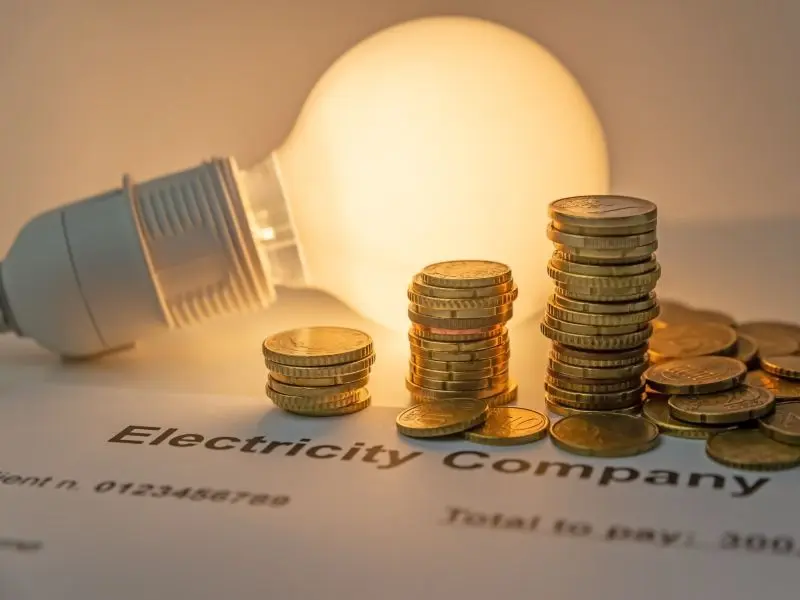
Maximising off-peak savings requires active management of electricity usage. Simply switching tariffs is not enough.
Timers, automation, and behavioural changes are key. Shifting high-consumption activities to off-peak times can significantly reduce electricity rates paid.
Effective strategies include:
- Scheduling equipment overnight
- Using smart plugs and timers
- Monitoring usage regularly
- Avoiding peak electricity hours where possible
FAQs
What time is off peak electricity UK suppliers usually offer?
Most UK suppliers offer off-peak electricity overnight, but exact times depend on tariff and region.
What time is off peak electricity on weekends?
Weekend off-peak times are usually the same as weekdays, though some smart tariffs differ.
Do smart meters change off-peak times?
Smart meters allow suppliers to offer flexible pricing, meaning off-peak times may vary.
Should small businesses get advice before switching tariffs?
Yes. Many businesses consult independent advisers, such as PriceBuddy, to review usage data before committing to off-peak tariffs.
Conclusion
Understanding what time is off peak electricity is no longer optional for households or small businesses trying to manage electricity UK rates effectively. Off-peak electricity can offer meaningful savings, but only when it aligns with real usage patterns.
With the rise of smart technology and variable pricing, electricity rates are becoming more complex rather than simpler. This makes informed decision-making essential.
Independent electricity consultants, including firms like PriceBuddy, often highlight that the best tariff is not the cheapest on paper, but the one that matches how and when electricity is actually used.
By understanding off-peak times, peak electricity hours, and tariff structures, consumers and businesses alike can make smarter, more sustainable energy decisions.