Skip to content
When comparing energy options, many UK households and small business owners ask the same question: when is electricity cheapest? With rising energy costs and more suppliers offering time-based pricing, understanding when you use electricity has become just as important as how much you use.
If you have a smart meter, the answer is often encouraging. Yes, electricity can be cheaper at night in the UK, but that saving is not automatic. It depends on your tariff, your electricity usage habits, and how well those two align.
This guide explains how off-peak electricity works, when off-peak electricity hours usually fall, how economy tariffs compare, and what current UK market trends mean for consumers and businesses.
Is Electricity Cheaper at Night in the UK?

The short answer is yes, electricity is often cheaper at night in the UK. The longer answer is that it depends on whether you are on a tariff designed to reward off-peak usage.
Most standard electricity tariffs charge a single unit rate 24 hours a day. Under these plans, electricity costs the same whether it’s midday or midnight. However, off-peak electricity tariffs work differently. They offer a lower unit rate during specific low-demand periods, usually overnight.
This is why many people searching for when electricity is cheapest are directed toward smart meters and time-of-use tariffs.
What is Peak and OIs Electricity Cheaper at Night in the UK?
In many cases, yes, electricity can be cheaper at night in the UK. However, this depends entirely on whether you are on a tariff that supports off-peak pricing. Standard fixed-rate tariffs charge the same unit rate regardless of the time of day, meaning electricity usage at night offers no financial advantage.
Off-peak electricity tariffs, by contrast, offer reduced unit rates during periods of lower demand, most commonly overnight. These tariffs are designed to shift consumption away from peak periods and reduce strain on the national grid.
The key takeaway is that cheaper night-time electricity is not automatic. It only applies when the tariff, meter type, and electricity usage patterns are aligned.
What Are Peak and Off-Peak Electricity Hours?
Electricity demand in the UK follows a predictable daily cycle. Suppliers use this cycle to define peak and off-peak electricity hours, which form the basis of time-of-use pricing.
Understanding these time bands is essential for anyone trying to determine when electricity is cheapest and whether an off-peak electricity tariff is suitable.
What Time Is Peak Electricity?
Peak electricity hours generally occur during periods of highest demand, when both businesses and households are actively using power. In the UK, peak time is typically defined as 8 am to 10 pm, although this can vary slightly between suppliers.
During peak hours:
- Most businesses are operating equipment, lighting, and IT systems
- Offices, retail spaces, and industrial sites consume large amounts of electricity
- Household usage rises sharply in the morning and evening
- The electricity grid experiences its highest level of demand
Because electricity generation and distribution costs are higher during these times, peak unit rates on time-of-use tariffs are also higher.
What Time is Off-Peak Electricity?
Off-peak electricity hours usually fall between 10 pm and 8 am, when demand drops significantly. Most people are asleep, many businesses are closed, and overall electricity consumption is much lower.
Off-peak periods benefit from:
- Reduced grid strain
- Lower marginal generation costs
- Higher overnight renewable energy output, particularly wind
- More stable base-load electricity supply
There is no universal definition of off-peak hours across the UK, which is why smart meters are essential. They ensure electricity usage is billed accurately according to supplier-specific schedules.
How Smart Meters Enable Cheaper Electricity
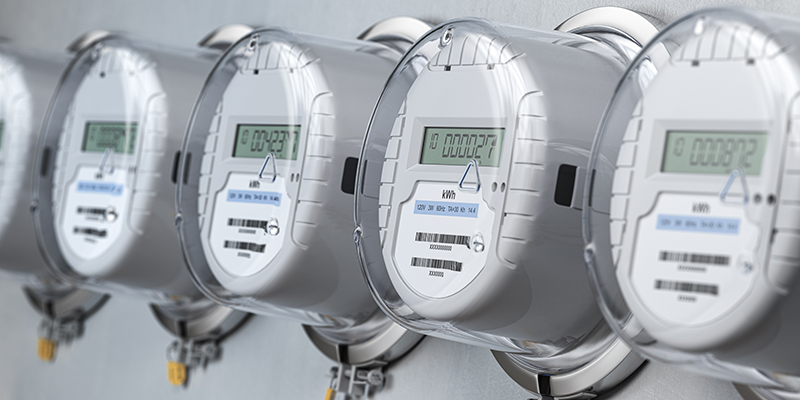
Smart meters are the foundation of modern off-peak electricity pricing. They record electricity usage in half-hour intervals and automatically transmit this data to suppliers.
This allows suppliers to:
- Apply different unit rates at different times of day
- Offer off-peak electricity tariffs with greater accuracy
- Reflect real-time grid demand in pricing models
For consumers and businesses, smart meters provide transparency. You can see exactly when electricity is being used and identify opportunities to move consumption into cheaper off-peak electricity hours.
What is the Difference Between Economy 7 and Economy 10?
When exploring off-peak electricity tariffs, customers are most commonly offered Economy 7 tariffs or Economy 10 tariffs. While both aim to reduce electricity costs during low-demand periods, they operate differently.
Understanding this difference is critical to answering the question of when electricity is cheapest for your specific situation.
Economy 7 Tariffs
Economy 7 tariffs provide:
- Seven hours of off-peak electricity, usually overnight
- A significantly lower unit rate during off-peak hours
- A higher daytime rate compared to standard tariffs
These tariffs work best for users who can shift a large portion of their electricity usage into overnight hours. Typical examples include electric heating systems, EV charging, and overnight equipment operation.
However, if most electricity usage occurs during the day, the higher peak rates can outweigh nighttime savings.
Economy 10 Tariffs
Economy 10 tariffs offer:
- Ten hours of off-peak electricity
- Off-peak periods spread across both day and night
- Greater flexibility for varied usage patterns
Because Economy 10 tariffs require more complex grid coordination, they are less widely available, particularly for small businesses. Where available, they can benefit users with electricity usage spread across multiple low-demand periods.
What are the Advantages of Off-Peak Electricity Tariffs?
Off-peak electricity tariffs offer several advantages, but only when electricity usage patterns align with the tariff structure.
Key advantages include:
- Lower unit rates during off-peak electricity hours
- Reduced overall electricity costs when usage is shifted effectively
- Better utilisation of the renewable energy generated overnight
- Improved grid stability through demand balancing
- Greater control over electricity spending
For businesses operating at night or with flexible processes, off-peak electricity tariffs can offer meaningful savings. However, these benefits depend on careful monitoring and usage management.
The Trade-Offs of Off-Peak Electricity Tariffs
Despite their advantages, off-peak electricity tariffs also come with trade-offs that must be considered carefully.
Important factors include:
- Higher electricity prices during peak daytime hours
- Greater need to monitor and manage electricity usage
- Risk of increased bills if usage remains mostly daytime
- Potential need for specialised metering equipment
Understanding these trade-offs is essential before switching, particularly for businesses with mixed operating hours.
Electricity Usage: Why Timing Matters More than Ever

Electricity usage timing now plays a central role in determining energy costs. Two users with identical annual consumption can face very different bills depending on when electricity is used.
Activities that benefit most from off-peak electricity include:
- Overnight electric vehicle charging
- Commercial refrigeration and cold storage
- Laundry, dishwashing, and cleaning cycles
- Battery storage charging during low-demand periods
Smart meters make it easier to identify these opportunities and adjust behaviour accordingly.
Who Benefits Most From Off-Peak Electricity?
Off-peak electricity tariffs are not just for households. Many businesses can benefit if their operations allow for flexible energy usage.
Businesses that may benefit include:
- Late-night venues such as takeaways and entertainment businesses
- Warehouses and logistics operations with overnight activity
- Businesses with electric vehicle fleets
- Operations using automated or scheduled machinery
For these organisations, the ability to compare business electricity prices across tariff structures is essential to finding the best fit.
Safety Considerations When Using Electricity Overnight
Using electricity during off-peak hours, especially overnight, requires careful safety planning.
Key considerations include:
- Avoiding overloaded sockets and extension leads
- Regular inspection of electrical appliances
- Use of timers and smart controls responsibly
- Ensuring fire detection systems are active
- Having safety procedures in place for unattended premises
Cost savings should never come at the expense of safety.
How to Get Cheaper Electricity at Night
Accessing cheaper night-time electricity involves more than switching suppliers.
The process includes:
- Reviewing historical electricity usage
- Ensuring a smart meter is installed
- Identifying off-peak electricity hours
- Comparing off-peak electricity tariffs carefully
- Monitoring usage after switching
When you compare business electricity prices, standing charges, peak rates, and contract terms are just as important as off-peak unit costs.
FAQs
When is electricity cheapest in the UK with a smart meter?
Electricity is usually cheapest during overnight off-peak electricity hours, often between 10 pm and 8 am. Exact times depend on your supplier and tariff.
Is electricity always cheaper at night in the UK?
No. Electricity is only cheaper at night if you are on an off-peak electricity tariff such as Economy 7 or Economy 10.
Are off-peak electricity tariffs suitable for businesses?
They can be, but suitability depends on electricity usage patterns. Business electricity consultants like PriceBuddy often analyse usage data to assess whether off-peak tariffs are appropriate.
Do smart meters automatically lower electricity bills?
No. Smart meters provide data and access to time-based tariffs, but savings only occur when users understand when electricity is cheapest and adjust usage accordingly.
Conclusion:
So, when is electricity cheapest in the UK if you have a smart meter? In most cases, it is during overnight off-peak electricity hours, when demand is lowest, and supply is more stable.
However, cheaper electricity is not guaranteed. It depends on tariff choice, electricity usage behaviour, and a clear understanding of peak and off-peak pricing. As the electricity market becomes increasingly data-driven, timing will continue to play a vital role in cost control.
Businesses and households that take a strategic approach, often with insights from specialists such as PriceBuddy, are best positioned to benefit from off-peak electricity tariffs and future pricing innovations.
Electricity costs are no longer just about how much you use, but when you use it, and understanding that difference is now essential.